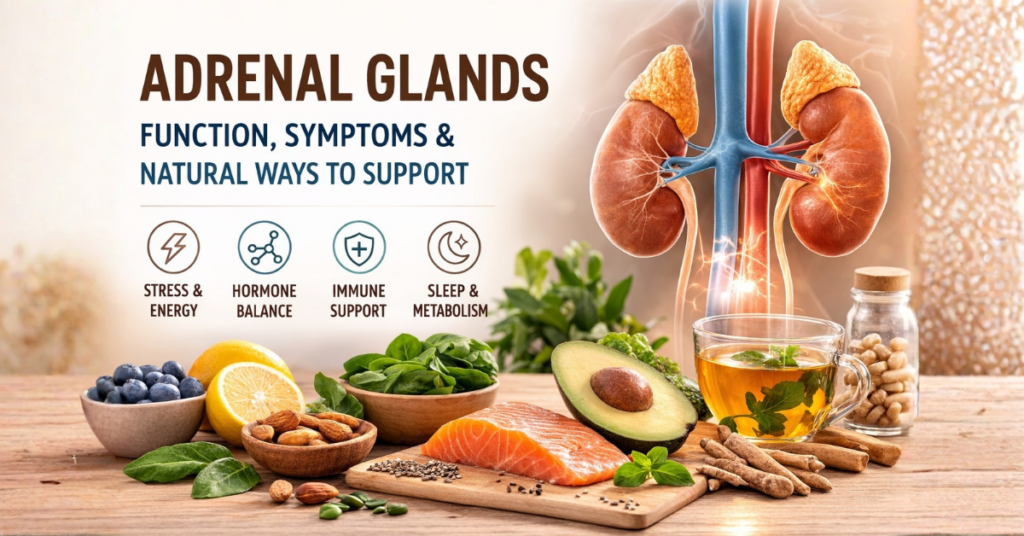

The adrenal glands play a critical role in energy, stress response, metabolism, and hormone balance. When these small glands become overactive or underactive, it can lead to fatigue, hormonal imbalance, weight gain, and many other health problems.
Since adrenal glands work closely with the nervous system to regulate stress responses, for a deeper understanding of how the body shifts between stress and recovery, explore our guide on vagus nerve function and nervous system balance.
Understanding how the adrenal glands work—and how to support them naturally—can help you restore balance and improve overall wellness.
In This Article
Medical Disclaimer: This article is for informational purposes only and should not be considered medical advice. Always consult a licensed healthcare provider before trying new health practices or products.
Affiliate Disclosure: This article may contain affiliate links. As an Amazon Associate, I may earn earn from qualifying purchases at no additional cost to you.
What Are the Adrenal Glands?
The adrenal glands are two small endocrine glands that sit on top of the kidneys. Despite their small size, they produce several vital hormones that regulate many body processes.
These glands are part of the endocrine system and help control:
- Stress response, including cortisol regulation (learn more in our guide on High Cortisol Levels and Their Effects on the Body)
- Blood pressure, which can be influenced by stress hormones (see How to Lower Blood Pressure Naturally)
- Metabolism and energy production, closely tied to hormone balance (read Natural Ways to Boost Metabolism, Energy & Physical Wellness)
- Immune function
- Electrolyte balance, which supports hydration and nerve function (try this All-Natural Homemade Electrolyte Drink Recipe)
- Energy production
The adrenal glands produce hormones including:
• Cortisol
• Adrenaline (epinephrine)
• Norepinephrine
• Aldosterone
• Small amounts of sex hormones
These hormones allow the body to respond to stress, maintain blood pressure, regulate metabolism, and balance fluids and electrolytes.
Where Are the Adrenal Glands Located?
The adrenal glands are located on top of each kidney, deep inside the abdominal cavity.
Each gland has two main parts:
Adrenal Cortex
The outer layer responsible for producing:
- Cortisol
- Aldosterone
- Androgens
Adrenal Medulla
The inner layer responsible for producing:
- Adrenaline
- Norepinephrine
These hormones help regulate the body’s fight-or-flight stress response.
Adrenal Glands Function
The primary role of the adrenal glands is hormone production.
Key adrenal gland functions include:
Stress Regulation
Cortisol helps the body respond to physical and emotional stress.
Blood Pressure Control
Aldosterone regulates sodium and potassium balance to maintain healthy blood pressure.
Energy Production
Cortisol influences metabolism and blood sugar levels.
Immune System Regulation
Adrenal hormones help control inflammation and immune response.
Fight-or-Flight Response
Adrenaline prepares the body to react quickly during emergencies.
Overactive Adrenal Glands – Cushing’s Syndrome
Overactive adrenal glands produce too much hormone, especially cortisol or aldosterone.
One condition linked to overactive adrenal glands is Cushing’s syndrome, which occurs when the body produces too much cortisol.
Causes may include:
- Tumors on the adrenal glands
- Pituitary gland disorders
- Long-term steroid medication use
- Certain cancers
Symptoms of Overactive Adrenal Glands
Common symptoms of overactive adrenal glands include:
- Weight gain (especially upper body)
- Round or “moon face”
- Fat accumulation on the back of the neck
- High blood pressure
- Muscle weakness
- Stretch marks on the skin
- Fatigue
- Mood changes
If untreated, excess cortisol can lead to metabolic disorders and cardiovascular problems.
Underactive Adrenal Glands – Addison’s disease
When adrenal glands produce too little hormone, the condition is called Addison’s disease, also known as adrenal insufficiency.
Addison’s disease can occur when the immune system attacks the adrenal glands or when the body does not produce enough ACTH hormone from the pituitary gland.
Symptoms of Underactive Adrenal Glands
Symptoms of underactive adrenal glands often develop slowly and may include:
- Extreme fatigue
- Muscle weakness
- Low blood pressure
- Weight loss
- Nausea and vomiting
- Darkened skin patches
- Salt cravings
- Dizziness
- Depression
Severe adrenal insufficiency can lead to a life-threatening condition called an adrenal crisis.
Adrenal Fatigue Symptoms: Is It Real?
You may hear the term adrenal fatigue symptoms used in natural health communities. It describes symptoms such as fatigue, brain fog, sleep issues, and sugar cravings.
However, major medical institutions like the Mayo Clinic state that adrenal fatigue is not recognized as an official medical diagnosis.
Adrenal fatigue symptoms may actually be related to:
- Chronic stress
- Poor sleep
- Nutrient deficiencies
- Hormone imbalance
- Thyroid problems
Even though the term is debated medically, supporting adrenal health through lifestyle changes can still improve energy and stress resilience.
If you’re unsure whether your symptoms point to hormone imbalance, thyroid dysfunction, or adrenal fatigue, our free Natural Symptom Checker can help you identify possible root causes and natural remedies in minutes.
Because the adrenal glands help regulate the body’s stress response and energy levels, supporting cellular function is important for overall vitality. Some individuals look into compounds such as methylene blue for its potential role in mitochondrial energy production and mental clarity.
Common Signs Your Adrenal Glands May Need Support
Many people experience subtle signs of adrenal imbalance long before a medical condition develops.
Possible signs your adrenal glands may need support include:
- Constant fatigue
- Difficulty waking up
- Afternoon energy crashes
- Sugar or salt cravings
- Anxiety or irritability
- Poor stress tolerance
- Brain fog
- Low blood pressure
- Sleep problems
These symptoms are often linked to chronic stress and cortisol imbalance.
Connection Between Adrenal Glands, Thyroid, and Metabolism
The adrenal glands also work closely with the thyroid gland to regulate metabolism and energy production. When chronic stress causes elevated cortisol levels, it can interfere with how the body uses thyroid hormones, which may slow metabolism and contribute to fatigue, weight gain, and brain fog.
Because of this close relationship, supporting adrenal health is an important part of maintaining healthy metabolic function. You can learn more about this connection in our articles on how stress affects metabolism and thyroid gland function and hormone balance.
How to Support Adrenal Glands Naturally
Supporting adrenal health naturally focuses on stress reduction, nutrient support, and lifestyle balance.
1. Improve Sleep Quality
Sleep regulates cortisol rhythms. Poor sleep disrupts adrenal hormone balance.
Tips:
- Maintain consistent sleep times
- Avoid screens before bed
- Keep your room cool and dark
Deep sleep helps restore hormonal balance.
The adrenal glands and pineal gland are closely connected through the HPA axis — melatonin and cortisol are counter-regulatory hormones, meaning pineal gland health directly impacts adrenal recovery. Read our complete guide on pineal gland function and calcification to understand this important relationship.
2. Reduce Chronic Stress
Stress is one of the biggest triggers for adrenal imbalance.
Helpful stress-reducing practices include:
- Meditation
- Breathwork
- Nature walks
- Journaling
Even 10–15 minutes of mindfulness daily can lower cortisol levels.
3. Eat Nutrient-Dense Foods
See the full list of Best Foods for Adrenal Health below.
Certain nutrients help regulate cortisol and support adrenal function.
Key nutrients include:
- Magnesium
- Vitamin C
- B vitamins
- Omega-3 fatty acids
Foods that support adrenal health:
- Leafy greens
- Avocados
- Berries
- Salmon
- Nuts and seeds
These nutrients help reduce inflammation and regulate stress hormones.
Vitamin C also supports immune health and helps reduce inflammation caused by chronic stress.
4. Consider Adaptogenic Herbs
Adaptogens help the body adapt to stress.
Popular adrenal-supporting herbs include:
- Ashwagandha
- Rhodiola
- Holy basil
- Licorice root
- Ginseng
Research suggests ashwagandha may help reduce cortisol levels and stress.
5. Avoid Excess Caffeine
Too much caffeine can overstimulate the adrenal glands and worsen energy crashes.
Instead consider:
- Herbal teas
- Green tea
- Electrolyte drinks
- Coconut water
6. Gentle Exercise
Moderate exercise improves stress resilience without overtaxing adrenal function.
Best exercises:
- Walking
- Swimming
- Pilates
- Stretching
Overtraining can increase cortisol levels.
Best Adaptogens, Adrenal Supplements & Herbal Teas for Stress Support
Supporting adrenal health often involves reducing stress and helping the body regulate cortisol levels. Many people use adaptogenic herbs, adrenal support supplements, and calming herbal teas to promote balance and improve resilience to stress.
Adaptogen supplements combine herbs traditionally used to help the body adapt to stress.
Popular adaptogenic herbs include:
• Ashwagandha
• Rhodiola Rosea
• Holy Basil (Tulsi)
• Panax Ginseng
• Maca Root
Potential benefits may include:
- Supporting healthy cortisol levels
- Improving stress resilience
- Supporting mental clarity
- Helping reduce fatigue
Adaptogens work by influencing the hypothalamic-pituitary-adrenal (HPA) axis, which helps regulate the body’s stress response.
Adrenal support supplements are formulated specifically to help maintain healthy adrenal function.
These formulas often include nutrients and herbs such as:
- Vitamin C
- B-complex vitamins
- Licorice root
- Rhodiola
- Ashwagandha
- Magnesium
These nutrients may help support:
- Energy production
- Hormone balance
- Stress adaptation
- Healthy immune response
Because adrenal glands play a key role in stress regulation and metabolism, nutritional support may help improve energy and overall well-being.
Herbal Teas for Cortisol Balance & Relaxation
Herbal teas can provide gentle daily support for stress and adrenal balance.
Common herbs used in adrenal-supporting teas include:
- Ashwagandha
- Lemon balm
- Holy basil (Tulsi)
- Licorice root
- Rose
- Hibiscus
Benefits of herbal stress-support teas may include:
- Promoting relaxation
- Supporting sleep quality
- Reducing stress tension
- Supporting healthy cortisol rhythms
Many people find drinking calming herbal tea in the evening helps improve sleep and reduce stress.
Important Note
Adaptogens and herbal supplements may support stress resilience, but they should not replace medical treatment for conditions like adrenal insufficiency or hormonal disorders. Always consult a healthcare professional before starting new supplements.
Best Foods for Adrenal Glands
Diet plays an important role in supporting adrenal function. Because the adrenal glands help regulate stress hormones, blood sugar, and electrolyte balance, they require specific nutrients to function properly.
Eating nutrient-dense foods that stabilize blood sugar and reduce inflammation can help support adrenal health and improve energy levels.
Below are some of the best foods for adrenal glands.
1. Citrus Fruits
Citrus fruits are rich in vitamin C, one of the most important nutrients for adrenal health. The adrenal glands actually store high concentrations of vitamin C because it helps support cortisol production and protect the body from stress.
Examples include:
- Oranges
- Grapefruit
- Lemons
- Limes
Vitamin C also supports immune health and helps reduce inflammation caused by chronic stress.
2. Leafy Green Vegetables
Leafy greens contain magnesium, folate, and antioxidants, which support the nervous system regulation and vagus nerve function, and help the body manage stress more effectively.
Healthy options include:
- Spinach
- Kale
- Swiss chard
- Arugula
Magnesium is especially helpful because it promotes relaxation and supports healthy sleep patterns.
3. Avocados
Avocados are rich in healthy fats, potassium, and B vitamins, which are essential for adrenal hormone production.
Benefits of avocados include:
- Supporting stable blood sugar
- Providing sustained energy
- Helping maintain electrolyte balance
Because adrenal stress can disrupt blood sugar regulation, healthy fats like those found in avocados can help maintain steady energy levels.
4. Fatty Fish
Fatty fish are an excellent source of omega-3 fatty acids, which help reduce inflammation and support hormone balance.
Good choices include:
- Salmon
- Sardines
- Mackerel
- Anchovies
Omega-3s also support brain health and may help regulate cortisol levels during stress.
5. Nuts and Seeds
Nuts and seeds provide magnesium, healthy fats, protein, and zinc, all of which support adrenal health.
Examples include:
- Almonds
- Walnuts
- Pumpkin seeds
- Sunflower seeds
- Chia seeds
These foods also help prevent blood sugar spikes and crashes that can strain the adrenal glands.
6. Eggs
Eggs are rich in protein, B vitamins, and choline, which support energy production and hormone regulation.
The B vitamins found in eggs—especially B5 and B6—play a role in adrenal hormone synthesis and help support the body’s stress response.
7. Sweet Potatoes
Sweet potatoes provide complex carbohydrates, potassium, and fiber, which help maintain steady blood sugar levels.
Balanced blood sugar is essential for adrenal health because frequent blood sugar crashes can trigger cortisol spikes.
Sweet potatoes also contain beta-carotene, which supports immune function and overall health.
8. Fermented Foods
Fermented foods support gut health, which plays an important role in hormone regulation and immune function. Making fermented foods at home is one of the easiest ways to increase beneficial probiotics in your diet. A simple fermentation kit can help you create foods like sauerkraut, kimchi, and fermented vegetables that support gut and hormone health.
Supporting digestive health through probiotic-rich foods and fermented vegetables can help restore balance. You can learn more in our guide on natural ways to boost gut health.
Examples include:
- Yogurt
- Kefir
- Sauerkraut
- Kimchi
- Kombucha
A healthy gut microbiome can help reduce inflammation and support balanced cortisol levels.
9. Berries
Berries are packed with antioxidants and vitamin C, which help protect the adrenal glands from oxidative stress.
Great options include:
- Blueberries
- Strawberries
- Raspberries
- Blackberries
Antioxidants help reduce inflammation and support the body’s natural stress defenses.
10. Sea Salt and Mineral-Rich Foods
When adrenal glands are under stress, the body may lose important electrolytes such as sodium and potassium.
Adding small amounts of mineral-rich sea salt to meals may help support electrolyte balance, especially for people who experience salt cravings.
Electrolyte-supporting foods include:
- Coconut water
- Avocados
- Bananas
- Leafy greens
Foods That May Stress the Adrenal Glands
Just as some foods support adrenal health, others can place additional stress on the body.
Try to limit:
- Excess sugar
- Highly processed foods
- Excess caffeine
- Refined carbohydrates
- Artificial additives
These foods can trigger blood sugar spikes and cortisol fluctuations, which may worsen fatigue and stress symptoms.
Simple Daily Diet Tips for Adrenal Support
To support adrenal health through nutrition:
• Eat balanced meals with protein, healthy fats, and complex carbohydrates
• Avoid skipping meals to prevent blood sugar crashes
• Stay hydrated throughout the day
• Limit excessive caffeine intake
• Focus on whole, nutrient-dense foods
Consistent nutrition helps maintain stable energy levels and supports healthy hormone production.
Frequently Asked Questions
What do adrenal glands do?
Adrenal glands produce hormones such as cortisol, adrenaline, and aldosterone that regulate stress response, metabolism, blood pressure, and immune function.
What causes adrenal gland problems?
Common causes include:
Autoimmune diseases
Chronic stress
Tumors
Long-term steroid medications
Infections
Pituitary gland disorders
Can adrenal glands heal naturally?
In many cases, adrenal health can improve through:
Stress management
Nutrient-dense diet
improved sleep
hormone testing and medical care when needed.
What are the best foods for adrenal health?
The best foods for adrenal health are nutrient-dense foods that help regulate stress hormones and support stable blood sugar levels. Some of the most beneficial options include citrus fruits for vitamin C, leafy greens for magnesium, fatty fish for omega-3s, avocados for healthy fats, nuts and seeds for minerals, eggs for B vitamins, and berries for antioxidants. These foods help support adrenal function and may improve energy and stress resilience.
What vitamins support adrenal health?
Vitamin C
Magnesium
Vitamin B5
Vitamin B6
Omega-3 fatty acids
What foods are bad for the adrenal glands?
Foods that can stress the adrenal glands include excess sugar, highly processed foods, refined carbohydrates, and too much caffeine. These foods can cause rapid blood sugar spikes and crashes, which may increase cortisol levels and strain the body’s stress response system. Limiting sugary snacks, soda, processed foods, and excessive coffee may help support better adrenal health and balanced energy levels.
Resources
Johns Hopkins Medicine
https://www.hopkinsmedicine.org/health/conditions-and-diseases/overactive-adrenal-glands–cushings-syndrome
Johns Hopkins Medicine
https://www.hopkinsmedicine.org/health/conditions-and-diseases/underactive-adrenal-glands–addisons-disease
Healthline
https://www.healthline.com/nutrition/ways-to-lower-cortisol