

Why You Should Ditch Your Perfume
Many store-bought perfumes contain synthetic chemicals that can affect your health. In this article, we’ll explore why you should ditch your perfume, the risks of conventional fragrances, and how switching to essential oil perfumes can benefit your body and mind, and health.
Adopting safer alternatives is one step toward a clean living lifestyle, similar to strategies covered in Healthy Lifestyle Tips: Simple Daily Habits for Long-Term Health and Wellness.
Many conventional perfumes also contribute to chemical overload, which can affect not only your skin but your overall wellness. By choosing essential oil perfumes, you support your body’s natural detox pathways, reduce exposure to endocrine disruptors, and promote a cleaner, more mindful self-care routine. Even small daily changes, like switching your fragrance, can make a meaningful difference over time.
In This Article
Medical Disclaimer: This article is for informational purposes only and should not be considered medical advice. Always consult a licensed healthcare provider before trying new health practices or products.
Affiliate Disclosure: This article may contain affiliate links. As an Amazon Associate, I may earn earn from qualifying purchases at no additional cost to you.
Here are four compelling reasons why you should ditch your perfume:
Synthetic Fragrances – Most perfumes contain “fragrance” blends made from petroleum by-products.
Skin Absorption – Your skin absorbs chemicals directly into your bloodstream.
Endocrine Disruptors – Many synthetic ingredients, like phthalates, can disrupt hormones.
Hidden Ingredients – Companies aren’t required to list all components, so you may unknowingly expose yourself to toxic chemicals.
Endocrine Disruptors in Perfume
Synthetic ingredients in perfumes, such as phthalates, are commonly used because essential oils are expensive. These chemicals are endocrine disruptors, meaning they can interfere with your hormones, including thyroid and growth hormone function.
Because perfume ingredients are considered trade secrets, companies aren’t required to disclose them, making it difficult to know exactly what you’re applying to your skin.
Phthalates and other hidden chemicals can accumulate over time, potentially affecting reproductive health, metabolism, and hormone regulation. Opting for essential oil-based perfumes allows you to enjoy fragrance without risking long-term exposure to synthetic toxins, making it a safe and wellness-oriented choice.
Endocrine disruptors are not only in perfumes—they can also accumulate from cookware, personal care products, and household items. Learn more about reducing chemical exposure in Why You Should Switch to Non-Toxic Cookware and, Why Makeup Can Make You Sick.
Allergies & Reactions
Many people experience headaches, nausea, or dizziness when exposed to synthetic perfumes. These reactions may be caused by chemicals like:
- Dibutyl phthalates
- Diethylhexyl phthalates
- Ether
- Ethylene glycol
- Formaldehyde
- Parabens
These compounds are often grouped under “fragrance” and are not listed on product labels, which is another reason to ditch your perfume for safer alternatives.
Essential oils provide a gentle, skin-friendly alternative that minimizes irritation while offering aromatherapy benefits. Ingredients like lavender, geranium, and cedarwood can help calm the nervous system, improve sleep, and even elevate mood, turning your fragrance routine into a holistic wellness ritual.
If you experience sensitivities, combining fragrance-free products with other wellness habits—like improving gut health—can be very effective. Check out Natural Ways to Boost Gut Health to support overall wellness
Switching to essential oil perfumes offers multiple benefits:
- Made from natural ingredients, free of harsh chemicals and alcohol
- Can be customized with different scent combinations
- Provide therapeutic benefits, such as reducing anxiety, headaches, and promoting better sleep
- Less is needed – essential oils are highly concentrated
- More affordable than high-end synthetic perfumes
- Can be used for aromatherapy, massage, and natural cleaning
Essential Oil Perfume Recipe
Supplies:
Here are my favorite essential oils I use for my essential oil perfumes.
- 4.5 tsp of jojoba carrier oil
- 19 drops of geranium essential oil
- 12 drops of ylang ylang essential oil
- 24 drops of cedarwood essential oil
- 24 drops of sweet orange essential oil
- 21 drops of lavender essential oil
Instructions:
- Add each essential oil to the roller bottle, mixing gently after each addition.
- Add the jojoba carrier oil and mix thoroughly.
- Apply to wrists, behind ears, and behind knees.
Storage & Shelf-Life:
Store in a cool, dark place away from sunlight. Your DIY essential oil perfume will last up to 6–12 months, depending on storage and the oils used. Shake gently before each use.
Another advantage of essential oil perfumes is customization. You can blend scents to suit your mood, season, or purpose—whether it’s energizing citrus for morning or soothing lavender for nighttime. This personalization not only enhances your experience but also supports mental and emotional well-being.
Essential oils can be part of a holistic self-care routine, alongside other natural remedies. Explore 10 Natural Remedies Every Home Should Have to complement your toxin-free lifestyle.
How to Make Essential Oil Perfume
- Add each essential oil to the roller bottle, mixing (rolling between the palms of your hands) after each essential oil.
- Add the jojoba carrier oil and mix again.
- Roll on the wrist, behind the ears, and behind the knees.
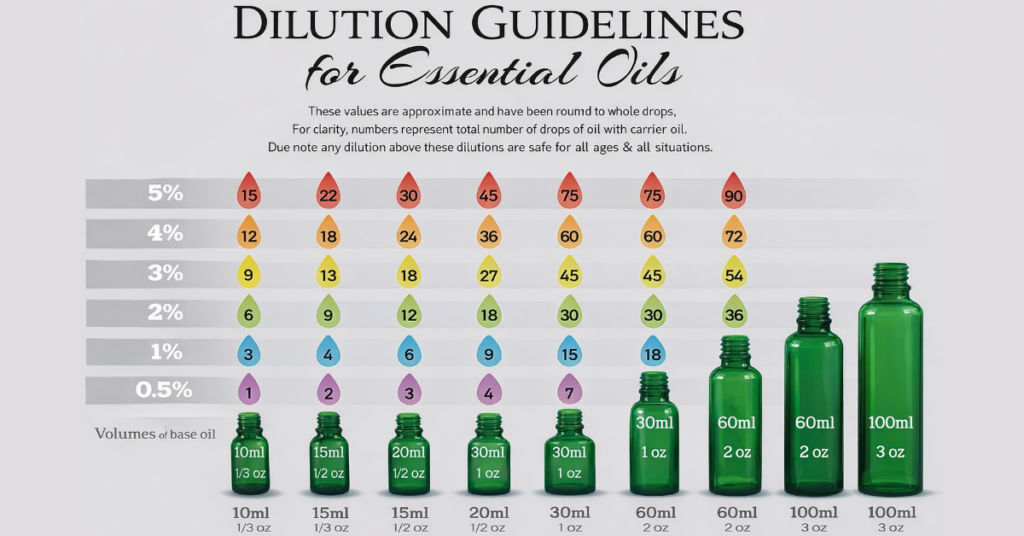
Obviously, since essential oils are adaptable, there are numerous essential oil perfume combinations you can make based on your favorite scent.
Use the essential oil mixing chart below. Thus, you’ll be able to create a perfect customized perfume blend.
For more natural wellness guides, see our guide on Adaptogenic Mushrooms for Stress and Energy, which pairs well with essential oils for relaxation and focus.
FAQs About Ditching Your Perfume
Why should I ditch conventional perfumes?
Most store-bought perfumes contain hidden synthetic chemicals, phthalates, and endocrine disruptors, which can affect your hormones, skin, and overall health.
Are essential oil perfumes safe for sensitive skin?
Yes, when properly diluted with a carrier oil like jojoba, essential oil perfumes are generally gentle and less likely to cause irritation compared to synthetic fragrances.
Can essential oil perfumes provide aromatherapy benefits?
Absolutely. Depending on the oils you choose, perfumes can reduce stress, improve mood, promote relaxation, or energize your senses.
How long do DIY essential oil perfumes last?
Stored in a cool, dark place, homemade perfumes can last 6–12 months. Shake gently before each use to maintain consistency.
Do essential oil perfumes smell as strong as conventional perfumes?
Essential oils are concentrated, so a small amount goes a long way. While the scent may be subtler than synthetic perfumes, it is natural, lasting, and pleasing without chemical overload.
Final thoughts of Why You Should Ditch Your Perfume
There are many compelling reasons why you should ditch your perfume. Conventional perfumes often contain hidden chemicals, synthetic fragrances, and endocrine disruptors that can negatively impact your health, trigger allergies, and affect your hormonal balance.
By switching to essential oil-based perfumes, you not only reduce your exposure to harmful toxins but also enjoy natural, customizable scents with therapeutic benefits. Making this small change is an easy, effective step toward a healthier, safer, and more mindful lifestyle.
Switching to natural, essential oil-based perfumes is more than a cosmetic choice—it’s a lifestyle shift. By embracing safer alternatives, you can reduce chemical exposure, improve your skin health, and enjoy the added benefits of aromatherapy. This simple swap reinforces the principles of a clean living lifestyle, making your daily routine healthier and more mindful.
Have you tried making your own essential oil perfume? Leave a comment below and share your favorite scents or DIY tips—we’d love to hear from you!


