A Holistic Guide to Alternative Medicine for Common Health Conditions
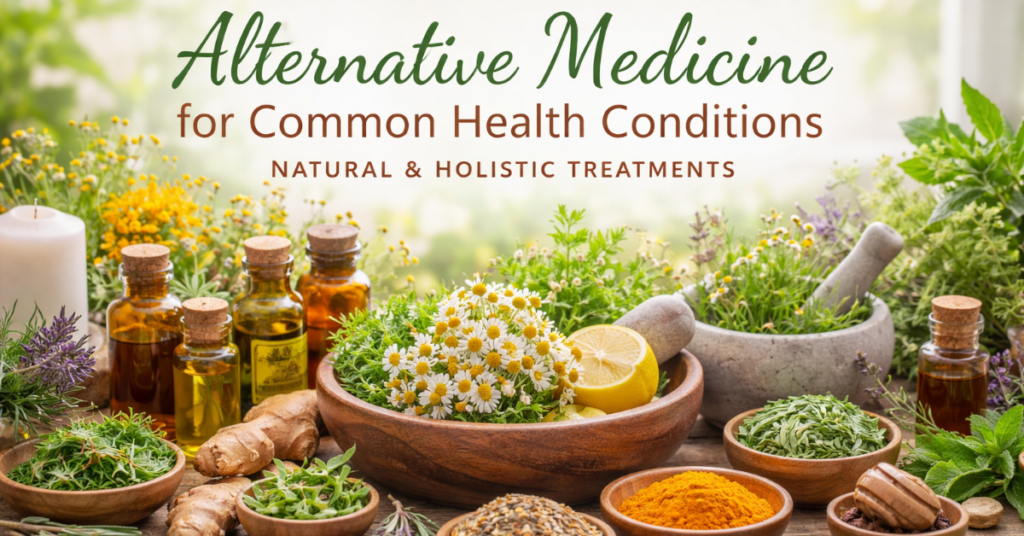
This guide explores how alternative medicine for common health conditions, natural healing methods, and integrative approaches are used to support everyday health conditions. You’ll also discover how holistic treatments focus on underlying imbalances — not just symptoms — helping create sustainable wellness over time.
In This Article
Medical Disclaimer: This article is for informational purposes only and should not be considered medical advice. Always consult a licensed healthcare provider before trying new health practices or products.
Affiliate Disclosure: This article may contain affiliate links. As an Amazon Associate, I may earn earn from qualifying purchases at no additional cost to you.
Alternative Medicine for Natural Healing and Whole-Body Wellness
As more people seek gentler, root-focused approaches to health, interest in alternative medicine for common health conditions continues to grow. Many individuals are searching for natural remedies and holistic treatments that support the body’s innate ability to heal — without relying solely on pharmaceuticals.
Alternative medicine for common health conditions is not about rejecting conventional care. Rather, it emphasizes balance, prevention, and whole-body support. From digestive concerns and chronic pain to emotional wellness and nervous system health, alternative therapies offer supportive options that work alongside the body instead of against it.
What Is Alternative Medicine?
Alternative medicine for common health conditions refers to a broad range of healing practices that fall outside conventional Western medical treatment. These approaches often focus on supporting the body’s internal systems, improving lifestyle factors, and restoring balance physically, emotionally, and energetically.
Many alternative therapies have roots in ancient healing traditions that predate modern medicine by thousands of years.
Common forms of alternative medicine include:
- Herbal medicine
- Nutritional therapy
- Mind-body practices
- Energy-based therapies
- Earth-connected healing methods
- Lifestyle and preventative approaches
Mechanical vibration tools are increasingly discussed in complementary health circles. Read our in-depth breakdown of 128 Hz tuning fork benefits and clinical use
Today, many people choose integrative medicine, which blends conventional healthcare with alternative therapies to create a more personalized approach to wellness.
How Holistic Treatments Support the Body
Holistic treatments view the body as an interconnected system. When one area is out of balance, it can affect digestion, hormones, nerves, immunity, mood, and overall vitality.
Rather than isolating symptoms, holistic healing focuses on:
- Supporting detoxification pathways
- Nourishing the body at a cellular level
- Reducing chronic stress
- Improving nervous system regulation
- Enhancing circulation and energy flow
This whole-body approach explains why many people turn to natural healing methods when dealing with persistent or recurring health concerns.
Alternative Medicine for Digestive and Gut Health
Digestive health plays a foundational role in overall wellness. The gut influences nutrient absorption, immune function, inflammation levels, and even mental health.
When digestion is compromised, individuals may experience bloating, fatigue, food sensitivities, skin issues, or chronic inflammation.
Alternative Therapies Commonly Used for Gut Support
Alternative therapies often focuses on strengthening the digestive system through gentle, supportive methods such as:
- Whole-food nutrition
- Herbal digestive support
- Fermented foods
- Stress reduction techniques
- Lifestyle modifications
Holistic treatments for gut health aim to restore balance to the microbiome while supporting the intestinal lining and digestive enzymes.
Many people turn to natural remedies for gut imbalance as part of a long-term healing approach, focusing on restoring digestive health rather than seeking a quick fix. Learn more about effective strategies in our Leaky Gut Syndrome Natural Treatment Options guide.
If you want to improve gut health with real, living probiotics, a fermentation kit to make probiotics can help you easily prepare foods like sauerkraut, kimchi, and fermented vegetables at home.
If you’re looking for simple, science-backed strategies to improve digestion and balance your microbiome, check out our guide on Natural Ways to Boost Gut Health in 2026.
Alternative Therapies for Nerve, Spine, and Pain Support
Chronic pain and nerve discomfort are among the most common reasons people explore alternative therapies. Issues involving the spine, muscles, and nervous system can significantly affect daily quality of life.
Alternative therapies focus on improving circulation, relieving tension, and supporting nerve communication throughout the body.
Common Alternative Therapies for Pain Relief
- Body-based therapies
- Movement and alignment practices
- Nervous system regulation techniques
- Anti-inflammatory nutrition
- Mind-body awareness
Alternative therapies often emphasize consistent, gentle support rather than masking pain signals.
Understanding how the nervous system connects throughout the body can provide valuable insight into why discomfort appears in specific areas.
Many people explore alternative therapies for pain relief, addressing underlying issues along the body’s intricate network of nerves. Learn more about how the spinal nerves work in our Spinal Nerves: 31 Amazing Pathways guide, and discover practical approaches in How to Treat Sciatica Naturally to support long-term wellness.
Alternative Therapies for Emotional and Mental Wellness
Mental and emotional health is deeply connected to physical well-being. Chronic stress, anxiety, and emotional overload can influence digestion, hormone balance, immune strength, and nervous system function.
Alongside alternative approaches to physical health, nervous system regulation is often overlooked — resources like The Calm Nervous System Bundle focus on gentle, non-invasive practices that support emotional and physiological balance.
Holistic treatments address mental wellness by supporting both the mind and body simultaneously.
Alternative Therapies Often Used for Emotional Balance
- Adaptogenic herbs
- Breathwork and mindfulness practices
- Nervous system regulation
- Nutritional support
- Lifestyle rhythm restoration
Alternative medicine views emotional symptoms not as isolated conditions, but as signals that the body is under prolonged stress or imbalance.
By supporting the nervous system and promoting a balanced stress response, many people turn to alternative therapies and natural remedies to restore emotional stability and inner calm. Learn practical strategies in our Natural Remedies for Anxiety Disorder guide to support long-term mental wellness.
Energy-Based Healing and Earth-Alternative Therapies
Some alternative therapies focus on the body’s energetic relationship with its environment. These methods are often rooted in ancient healing philosophies and are increasingly explored today.
One example is grounding, also known as earthing — a practice that involves reconnecting with the Earth’s natural electrical charge.
Potential Benefits Explored in Alternative Therapies
- Supporting nervous system regulation
- Reducing stress responses
- Encouraging relaxation
- Enhancing mind-body awareness
While energy-based therapies vary widely, many people incorporate them as complementary practices alongside other natural healing methods and holistic treatments. Explore the science behind these practices in our Is Grounding Scientifically Proven? guide to learn how integrative wellness approaches can support long-term health.
Exploring Traditional and Controversial Alternative Remedies
Some alternative remedies, like colloidal silver, generate curiosity because of their long history of traditional use. These approaches are frequently researched, debated, and shared within holistic wellness and integrative medicine communities, highlighting their place in natural healing and complementary health practices. Learn more about its potential benefits and cautions in our 7 Fascinating Truths About Colloidal Silver guide.
Education and informed decision-making are essential when exploring lesser-known natural remedies.
Rather than making claims, holistic education focuses on understanding:
- Historical usage
- Traditional context
- Modern research discussions
- Individual bio-uniqueness
This allows individuals to make thoughtful, informed wellness choices.
The Role of Integrative Medicine
Integrative medicine bridges the gap between conventional healthcare and alternative therapies. It recognizes that no single system holds all the answers.
This approach may include:
- Medical guidance when needed
- Nutritional therapy
- Stress management
- Lifestyle support
- Complementary natural remedies
Integrative medicine empowers individuals to take an active role in their health while respecting both modern science and traditional healing wisdom.
Using Natural Remedies Safely
While natural remedies are widely used, they should always be approached responsibly.
Important considerations include:
- Every body responds differently
- Natural does not mean risk-free
- Quality and sourcing matter
- Professional guidance is beneficial when needed
Holistic treatments are best viewed as supportive tools — not replacements for medical care.
Listening to your body, starting slowly, and prioritizing education are key aspects of responsible alternative medicine use.
Creating a Holistic Lifestyle for Long-Term Wellness
True healing is rarely achieved with just one supplement, one herb, or one technique. Creating a holistic lifestyle means combining natural remedies, mindful habits, and integrative wellness practices that support the body’s ability to heal itself.
Alternative medicine and holistic treatments emphasize the interconnectedness of mind, body, and spirit, recognizing that long-term wellness comes from addressing root causes rather than just alleviating symptoms.
By integrating balanced nutrition, stress management, gentle movement, and targeted therapies, you can cultivate resilience, promote overall vitality, and experience lasting health rather than quick fixes.
Holistic wellness is built through daily habits such as:
- Nourishing foods
- Consistent sleep patterns
- Stress awareness
- Movement and circulation
- Emotional balance
- Connection to nature
Alternative medicine for common health conditions works best when integrated into a lifestyle that supports the body as a whole.
Why People Turn to Alternative Therapies for Common Health Conditions
Many individuals explore alternative therapies because they seek solutions that go beyond conventional treatments. They are looking for natural remedies, holistic treatments, and integrative wellness approaches that support their overall health and address the root causes of their conditions.
People are often drawn to alternative medicine for its emphasis on balancing the mind, body, and spirit, promoting long-term wellness rather than simply managing symptoms.
Whether it’s using herbal therapies, mindful practices, or lifestyle adjustments, these approaches provide a more personalized, gentle, and sustainable path to health that resonates with those seeking a holistic way to care for themselves.
Alternative therapies they may seek:
- Root-cause support
- Fewer side effects
- Personalized care
- Preventative wellness
- Whole-body balance
Holistic treatments emphasize empowerment — helping people better understand their bodies and participate actively in their healing journey.
For many people exploring alternative medicine, healing isn’t limited to supplements and herbs — it also includes improving the home environment.
Mold, bacteria, and indoor air pollutants can place ongoing stress on the immune and nervous systems, especially in sensitive individuals.
Alongside traditional natural remedies, some choose to support their space with tools like a 39W UV Light Sanitizer for whole-room disinfection, designed to help reduce microbial load without chemicals or ozone.
Creating a cleaner environment may complement holistic protocols focused on immune balance, detox support, and nervous system regulation.
Benefits of Integrative Approaches
Integrative wellness approaches, including holistic treatments, and natural remedies, focus on treating the whole person rather than just symptoms.
These strategies can improve immune function, reduce chronic pain, support mental well-being, and enhance long-term vitality. Combining multiple approaches allows individuals to build a sustainable, personalized path to health and wellness.
Frequently Asked Questions
What is alternative medicine for common health conditions?
Alternative medicine includes natural healing methods and therapies that focus on supporting the body’s balance rather than treating symptoms alone.
Are natural remedies safe to use?
Many natural remedies are widely used, but safety depends on the individual, dosage, quality, and existing health conditions.
What is the difference between holistic and alternative medicine for common health conditions?
Holistic treatments focus on the whole person, while alternative medicine refers to therapies outside conventional medical systems. The two often overlap.
Can alternative therapies be used alongside medical care?
Yes. Many people use integrative medicine to combine conventional care with natural remedies.
How long does holistic healing take?
Holistic healing is often gradual and depends on lifestyle, consistency, and the root cause of imbalance.
Do holistic treatments work for chronic conditions?
Many people use holistic treatments as supportive tools for long-term wellness, though results vary individually.
Is alternative medicine for common health conditions scientifically proven?
Some alternative therapies have growing research support, while others are based on traditional or experiential use.
Can alternative therapies help manage chronic pain?
Yes, many people use holistic treatments, natural remedies, and integrative wellness approaches to manage chronic pain. Techniques like herbal therapies, acupuncture, mindful movement, and stress-reduction practices can complement conventional care and support long-term pain relief.
How do alternative therapies support mental health and emotional well-being?
Natural remedies can help balance the nervous system, regulate the stress response, and support emotional stability. Practices such as herbal supplements, meditation, and integrative wellness strategies are often incorporated to promote inner calm and sustainable mental wellness.
Final Thoughts: A Balanced Path to Healing
Alternative medicine for common health conditions offers a compassionate, whole-body approach to wellness. By combining natural remedies, holistic treatments, and integrative principles, many individuals find deeper insight into their health and well-being.
Healing is not about perfection — it is about awareness, balance, and honoring the body’s natural rhythms. Whether you are exploring digestive health, emotional wellness, pain support, or preventative care, holistic healing invites you to reconnect with your body and move forward with intention.
Resources
National Center for Complementary and Integrative Health (NCCIH)