A clean living lifestyle is not about fear, perfection, or extreme detox trends. It is a practical, sustainable approach to reducing everyday toxins and supporting the body’s natural ability to heal.
In today’s world, we are exposed to low-level chemicals through our water, food, air, cookware, bedding, and personal care products. While each exposure may seem small, the cumulative effect over time can increase toxic load, disrupt hormones, drain energy, and interfere with sleep and cognitive clarity.
Many people focus on diet, supplements, and exercise but overlook one critical factor: environmental toxin exposure. Clean living addresses this missing piece by helping you create a toxin-reduced home, choose safer materials, improve indoor air quality, filter your water, and adopt simple daily habits that strengthen natural detox pathways.
This guide serves as your complete introduction to a clean living lifestyle — including how to reduce toxic load, support natural detoxification, and make practical changes that promote long-term health without overwhelm.
In This Article
Medical Disclaimer: This article is for informational purposes only and should not be considered medical advice. Always consult a licensed healthcare provider before trying new health practices or products.
Affiliate Disclosure: This article may contain affiliate links. As an Amazon Associate, I may earn earn from qualifying purchases at no additional cost to you.
Everyday Toxins: A Modern Challenge in a Clean Living Lifestyle
Human biology evolved to manage occasional environmental toxins — smoke from fire, naturally occurring plant toxins, bacteria in water. Our liver, kidneys, lungs, digestive tract, lymphatic system, and skin are incredibly efficient detox systems when exposure is intermittent.
Modern life is different.
Today we are exposed daily to:
- Synthetic fragrances
- Plastics and food packaging chemicals
- Heavy metals
- Pesticides and herbicides
- VOCs in furniture, flooring, and paint
- Cookware coatings and processed materials
- Mold, Alergens, and poor air quality
Individually, each exposure may seem insignificant. But collectively, they create a cumulative toxic load.
This constant burden can quietly affect:
- Energy production
- Hormone balance
- Immune regulation
- Nervous system stability
- Sleep quality
- Cognitive clarity
Many people don’t realize that ongoing environmental stressors — including mold, bacteria, and poor indoor air quality — can keep the nervous system in a chronic stress response. Creating a cleaner indoor environment may support regulation. This whole-room UV sanitizer is one tool some use to reduce microbial exposure at home.
This is why clean living isn’t about fear — it’s about removing friction from the body.
Toxic Load: When the Body Works Overtime
In a clean living lifestyle, toxic load refers to the total burden of chemicals the body carries.. Toxic load is cumulative. It builds slowly over time from repeated, low-level exposure rather than one dramatic event. Unlike acute poisoning, which produces immediate symptoms, toxic overload often develops quietly. The body compensates for years before signals become noticeable.
The liver prioritizes survival first — filtering blood, metabolizing hormones, and neutralizing chemicals. When it becomes overburdened, other systems begin to feel the strain. Hormones may fluctuate, inflammation can increase, digestion may slow, and the nervous system may remain in a subtle state of stress.
This is why reducing exposure is often more effective than chasing aggressive detox protocols. When incoming toxins decrease, the body reallocates energy toward repair, balance, and restoration.
Symptoms of toxic overload are often subtle:
- Fatigue that persists despite sleep
- Brain fog and poor concentration
- Skin irritation or rashes
- Digestive discomfort
- Hormonal imbalance or menstrual irregularities
- Heightened sensitivity to stress, smells, or foods
These signs are often misdiagnosed as lifestyle issues or stress, but they frequently share a common root: chronic exposure to everyday toxins.
The Home: Where Toxins Lurk
The home is supposed to be a sanctuary, but it can also be a major source of chemical exposure. Indoor environments trap pollutants, from VOCs in paints and carpets to residues from cleaning products. Even “fresh” smells often mask chemicals that irritate the lungs and nervous system.
Creating a cleaner indoor environment is one of the most practical steps in building a clean living lifestyle.
Modern building materials and tightly sealed homes can trap airborne chemicals for extended periods. Volatile organic compounds (VOCs) released from furniture, adhesives, paint, and flooring may continue off-gassing for months or even years.
Indoor air quality directly affects sleep, cognitive clarity, and respiratory health. Because we spend the majority of our lives indoors, improving the home environment often produces faster health improvements than dietary changes alone.
Small adjustments — increasing ventilation, using fragrance-free cleaning products, choosing natural fibers, and minimizing synthetic scent products — can significantly reduce cumulative exposure without requiring drastic lifestyle shifts.
For a deeper look at reducing chemical exposure in your home, explore our guide on Non-Toxic Carpet Cleaner. Simple changes like choosing natural cleaning products or increasing ventilation can make a dramatic difference in air quality and overall toxin load.
Skin Absorption: The Hidden Route of Toxins
The skin is the body’s largest organ and acts as both a barrier and an absorption surface. Everyday personal care products — makeup, lotions, shampoos, deodorants — often contain chemicals that pass directly into the bloodstream.
Read our article on Why Makeup Can Make You Sick, and how repeated daily exposure adds significantly to toxic load. Over time, this can disrupt hormones, increase inflammation, and place additional stress on the liver.
Understanding why makeup can make you sick or why you should ditch your perfume is an important step toward toxin-free living. Likewise, swapping conventional deodorants for DIY toxic-free deodorant can meaningfully reduce chemical burden while supporting the body’s natural detox pathways.
Fragrance and the Nervous System
Synthetic fragrances are more than just a scent. When inhaled, chemicals travel from the lungs directly into the bloodstream and reach the brain within seconds. This rapid exposure can trigger headaches, dizziness, nausea, irritability, or anxiety.
What makes fragrance especially challenging is that labels rarely disclose all ingredients. A single term can cover dozens of chemicals, some of which disrupt hormones or overstimulate the nervous system.
Reducing synthetic fragrance often leads to noticeable benefits in sleep, mood, and cognitive clarity. For practical guidance, see Why You Should Ditch Your Perfume, it includes a recipe for making a natural homemade perfume.
Food, Water, and Daily Intake
Clean water is foundational to a clean living lifestyle because detoxification depends on proper usage and elimination pathways. Pesticides, herbicides, preservatives, artificial colors, and food packaging chemicals must all be processed by the liver. Plastics in storage containers and packaging can leach compounds, especially when heated.
Clean living emphasizes supporting detox naturally through nutrition and water. Reducing chemical exposure in food and drink frees up resources for healing rather than just processing toxins.
Food preparation methods also influence chemical exposure. Heating plastics, using damaged nonstick pans, or storing food in reactive containers can increase unwanted compounds in meals. Choosing safer cookware and minimizing plastic contact reduces this hidden source of daily intake.
Water deserves particular attention because it is consumed consistently throughout the day. Even trace contaminants become meaningful when exposure is repeated over years. Installing a high-quality water filtration system is one of the most impactful long-term decisions in a clean living lifestyle.
For a complete breakdown of filtration options and how to choose the right system, see our guide on Home Water Filters: How to Choose the Best System for Clean, Safe Drinking Water.
Choosing a high quality home water filtration system ensures that water — the foundation of natural detoxification — is clean and supportive. Drinking filtered water can reduce chemical intake and help the body eliminate existing toxins efficiently.
Clean, filtered water forms a foundational pillar of a clean living lifestyle.
Heavy Metals and Accumulation
A clean living lifestyle includes awareness of heavy metal accumulation and long-term exposure risks.
Some toxins, such as aluminum, lead, and mercury, are particularly concerning because they accumulate in the body over years, especially in the brain and nervous system.
Common sources include cookware, packaging, personal care products, and environmental exposure. Symptoms may take years to appear, often showing up as fatigue, cognitive issues, or hormone disruption.
Unlike many chemicals that the body can process and eliminate relatively quickly, heavy metals tend to bioaccumulate in tissues, particularly in the brain, liver, and nervous system. Over time, even small exposures may compound.
Everyday items such as cookware, food packaging, antiperspirants, and certain processed foods may contribute to gradual exposure. Awareness and reduction — especially in areas under personal control — can significantly lower long-term burden.
Limiting exposure and supporting natural detox are key. For more on preventing heavy metal accumulation, see Health Risks of Aluminum.
Cookware and Food Preparation: A Simple but Powerful Shift
Cookware is an often-overlooked contributor to toxin exposure. Materials used in pots and pans can interact with heat, food acidity, and cooking time, potentially introducing unwanted compounds into meals.
Traditional materials such as cast iron and stainless steel offer stable, long-term alternatives that reduce exposure while improving durability and cooking performance. Because cookware is used daily, even small improvements can meaningfully lower cumulative intake.
If you are considering safer alternatives, explore our article on Cast Iron Cookware: 5 Reasons to Use It and Its Benefits for a detailed breakdown of why this traditional option continues to stand the test of time.
Choosing safer cookware is a simple but meaningful upgrade within a clean living lifestyle.
Detox Naturally: How the Body Responds
The human body is inherently capable of detoxing naturally. The liver, kidneys, digestive tract, skin, and lungs work in harmony to remove toxins when the environment allows it.
Chronic exposure, however, overwhelms these systems. Detox naturally requires reducing ongoing exposures while supporting the body’s resources:
- Clean air and spaces
- Whole, minimally processed foods
- Clean water
- Sufficient rest and sleep
- Reducing chemical burden from personal care and cleaning products
True detoxification is not about extreme cleanses or short-term restriction. It is a continuous biological process that depends on daily habits and environmental conditions. When exposure decreases and foundational habits improve, detox pathways function more efficiently without forcing the body into stress.
Supporting sleep, stable blood sugar, proper hydration, gentle movement, and stress reduction enhances the body’s natural elimination systems. Rather than stimulating detox artificially, clean living strengthens the body’s inherent capacity to regulate itself.
Practical approaches, such as DIY toxic-free deodorant or non-toxic carpet cleaning, reduce load without extreme measures.
Sun Exposure and Toxin-Free Alternatives
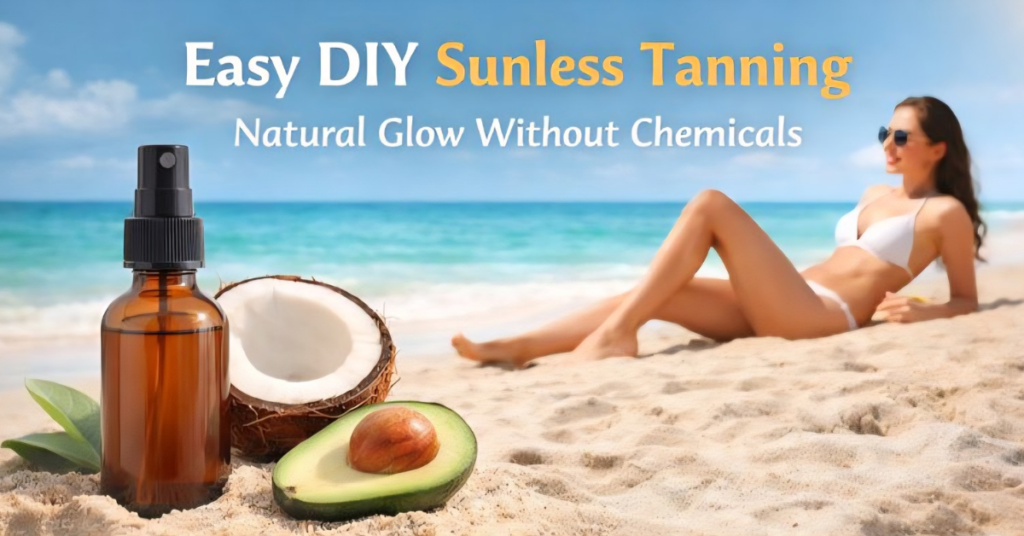
Sunlight is essential, but conventional tanning oils and creams often contain chemical ingredients that add to daily toxin load. Fortunately, toxin-free solutions exist, such as our easy DIY sunless tanning recipe, allowing safe skin pigmentation without chemical stress.
Daily Habits That Strengthen Long-Term Resilience
Reducing toxins is only one side of the equation. Strengthening resilience ensures the body can adapt to unavoidable exposures.
A clean living lifestyle is not only about removing toxins, but about strengthening the body’s ability to handle unavoidable exposure.
Simple daily habits — consistent sleep, whole foods, fiber intake, time outdoors, and nervous system regulation — amplify the benefits of toxin reduction. These practices build long-term stability rather than short-term symptom relief.
For a practical guide to foundational routines that support long-term wellness, read Healthy Lifestyle Tips: Simple Daily Habits for Long-Term Health and Wellness.
A sustainable clean living lifestyle balances toxin reduction with daily habits that build resilience.
Measuring Progress: Tracking Your Health
Part of clean living is understanding how changes impact the body. Measuring detox and toxin exposure can help you stay on track without guesswork.
- Home health tests provide tangible data on nutrient status and toxin burden.
- Online health trackers help monitor symptoms, energy, and sleep patterns over time.
These tools support intentional, informed clean living rather than relying on guesswork or trends.
The Benefits of Reducing Toxic Load
When toxic exposure decreases, the body gradually returns to balance:
- Inflammation declines
- Energy stabilizes
- Sleep improves
- Hormones regulate
- Nervous system calms
These changes explain why clean living often improves multiple symptoms at once, as it addresses root causes instead of chasing isolated issues.
Sustainable Clean Living
Clean living is a long-term philosophy, not a one-time detox. It is about creating environments and habits that support health over decades:
- Simplifying personal care routines
- Choosing natural, non-toxic cleaning products
- Prioritizing clean food and water
- Supporting the body’s natural detox pathways
Small, consistent changes compound over time. By reducing everyday toxins and supporting natural detox, the body can perform what it does best: maintain balance, repair, and thrive.
A Practical Path Forward
Reducing everyday toxins doesn’t need to be overwhelming. Start with simple, high-impact changes:
- Reduce synthetic fragrance and chemical-heavy personal care products
- Improve home air and cleaning practices
- Optimize water and food exposure
- Support the body with rest, hydration, and nutrition
- Track changes with home health tests and online health trackers
Clean living is about giving the body space to function naturally, not chasing perfection or fear.
Frequently Asked Questions
What is a clean living lifestyle?
A clean living lifestyle focuses on reducing everyday toxin exposure while supporting the body’s natural detox systems. It emphasizes clean water, non-toxic home products, safer cookware, natural materials, and healthy daily habits.
How do I start a clean living lifestyle?
Start a clean living lifestyle with high-impact changes:
Install a quality water filter.
Replace synthetic fragrances.
Upgrade cookware.
Improve indoor air quality.
Choose natural bedding materials.
Small steps create measurable long-term impact.
Does the body naturally detox itself?
Yes. The liver, kidneys, lungs, digestive tract, and skin are natural detox organs. However, chronic chemical exposure can overwhelm these systems, which is why reducing toxic load supports natural detoxification.
What are symptoms of toxic overload?
Common symptoms include fatigue, brain fog, hormone imbalance, sleep disruption, skin irritation, and chemical sensitivity. These often improve when environmental toxin exposure decreases.
Is a clean living Lifestyle realistic in modern life?
Yes. A clean living lifestyle is about reducing exposure — not eliminating every chemical. Sustainable swaps and mindful purchasing decisions create meaningful improvement without perfectionism.
Conclusion: Health Returns When the Environment Supports It
A clean living lifestyle supports the body’s natural intelligence by reducing unnecessary chemical stress and restoring balance. Chronic exposure to everyday toxins can silently undermine this capacity, but clean living — reducing toxic load, supporting detox naturally, and creating healthy environments — allows the body to restore balance.
Explore our hub to learn practical steps: from DIY toxic-free deodorant to home water filters and sunless tanning alternatives. Each small change compounds into a stronger, healthier, more resilient body.
Clean living isn’t a destination. It’s a lifelong relationship with health, the body, and the spaces we inhabit.