
Electric Composting: How to Turn Kitchen Scraps into Nutrient-Rich Soil
Composting food scraps can transform waste into nutrient-rich soil for gardens and provide nutritious treats for chickens. Electric composters make this process faster, cleaner, and more convenient for kitchens of any size.
Written by Betty Liberatore, a sustainable living and natural lifestyle writer focused on practical, research-informed home solutions.
Table of Contents
Medical Disclaimer: This article is for informational purposes only and should not be considered medical advice. Always consult a licensed healthcare provider before trying new health practices or products.
Waste Not, Want Not- Kitchen Scraps to Compost
Composting is nature’s way of recycling organic matter, transforming waste into nutrient-rich soil amendments.
Compost mulch improves soil structure, enhances moisture retention, and supports beneficial soil microorganisms that may help plants become more resilient to certain diseases.
While compost can reduce reliance on synthetic fertilizers, results vary depending on soil type, plant species, and compost quality.
(Source: USDA Natural Resources Conservation Service)
Furthermore, composting stands out as a simple yet powerful practice that not only reduces waste but also enriches the soil. Beyond just benefiting gardens, compost can also be a boon for chicken keepers, providing nutritious treats for their feathered friends.
Boosting Your Garden’s Health with Kitchen Scraps
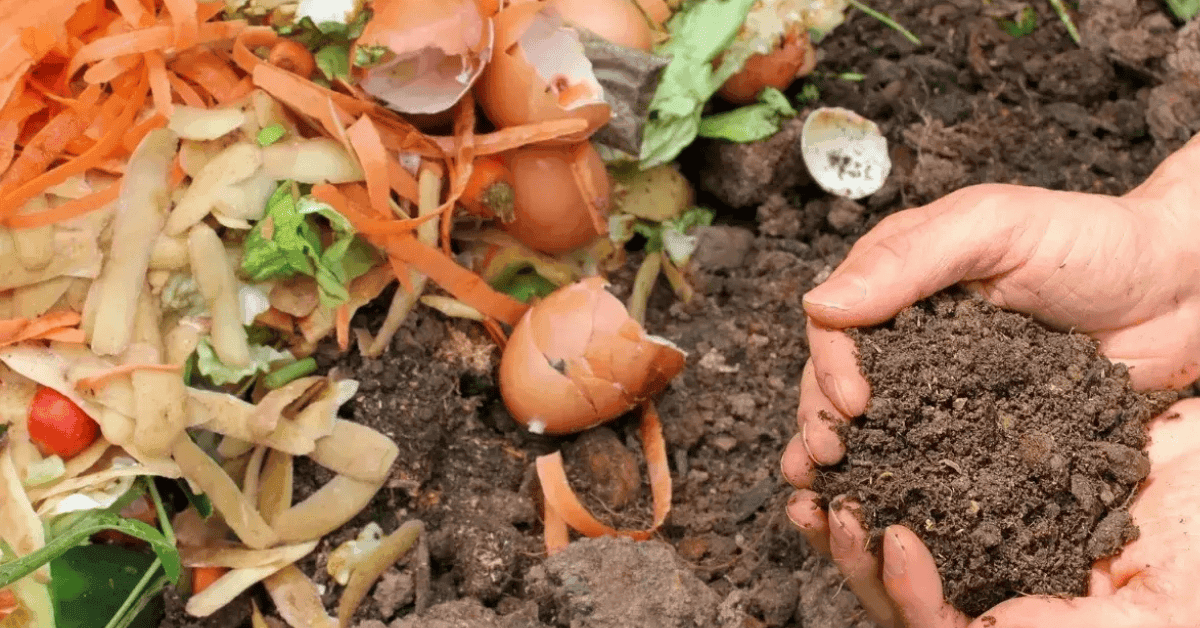
For gardeners, compost is like gold. It gives plants nutrients for optimal growth without toxic chemicals. To compost effectively for your garden, start by collecting kitchen scraps such as fruit and vegetable peelings, coffee grounds, eggshells, and non-greasy food leftovers.
Combine these with yard waste like grass clippings, leaves, and plant trimmings in a bin or pile. To promote decomposition, you must turn the organic scraps frequently. In a matter of months, you’ll have nutrient-rich mulch ready to nourish your plants.
Compost for Chickens
Chickens not only provide eggs and pest control but also help break down compost. They love to scratch, peck, and turn piles, accelerating decomposition.
Chickens can consume some kitchen scraps in moderation, including cooked grains and vegetable trimmings.
However, poultry health experts recommend avoiding foods that may cause digestive upset or toxicity, such as moldy or spoiled foods, onions, garlic, citrus, chocolate, and highly salty items. Scraps should supplement—not replace—a balanced commercial poultry feed formulated to meet nutritional needs.
(Source: University of California Cooperative Extension; USDA)
Outdoor Composting vs Electric Composting
Outdoor composting has several potential drawbacks, such as:
Pest Attraction: Outdoor piles can attract rodents, insects, and raccoons.
Odor Issues: Poorly managed piles may emit unpleasant smells.
Weather Dependence: Organic matter is subject to weather conditions. Extreme temperatures, heavy rain, or prolonged dry spells can affect the decomposition process and the overall efficiency.
Aesthetics: Some people may find compost piles unsightly, particularly if they’re not well-contained or managed. This can be a concern if you have a small yard or live in a neighborhood with strict aesthetic standards.
Space Requirements: Outdoor composting typically requires a certain amount of space for the compost pile or bin. If you have limited outdoor space, this may not be feasible or may require creative solutions.
Potential for leachate: Poorly managed compost piles may produce leachate, a liquid runoff that can carry nutrients or organic compounds into surrounding soil. According to environmental agencies, this risk is generally minimized through proper composting practices, such as maintaining balanced materials, adequate drainage, and appropriate placement away from water sources.
(Source: Oregon State University Extension — Protecting Water Quality at Agricultural Composting Facilities)
Maintenance: Outdoor compost requires regular maintenance, including turning the pile, monitoring moisture levels, and adding new materials. If you’re not committed to maintaining the pile, it can become a breeding ground for pests and pathogens.
Electric Composting for Kitchen Scraps
While traditional composting methods are effective, they may not be feasible for everyone, especially those living in urban areas or with limited outdoor space.
This is where electric composters come in handy. They are a perfect solution for small living spaces or if you prefer to not have a large pile of organic matter in your yard.
These compact machines utilize heat, moisture, and agitation to accelerate the decomposing process, turning food scraps into a nutrient-rich soil amendment within a matter of hours.
Many of the tools mentioned in this article can be found in my wellness resources page, where I share products I personally recommend.
Conclusion
Composting is an easy and impactful way to reduce waste, improve soil health, and support sustainable living. Whether enriching your garden soil or providing healthy treats for chickens, composting benefits everyone. Electric composters make it even easier to transform kitchen scraps into valuable compost quickly and efficiently.
Share your composting successes in the comments below!