Learn How Ashwagandha Benefits Hypothyroidism
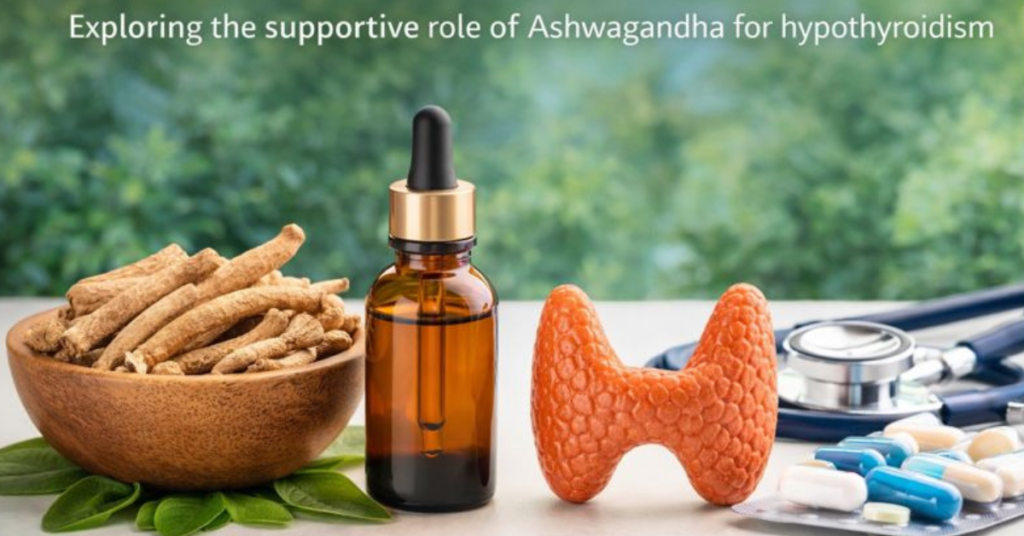
This article discusses how Ashwagandha benefis hypothyroidism, what it is, and what to consider before using for stress management support.
Hypothyroidism is a common condition that affects metabolism, energy levels, and overall hormonal balance. Many people experience symptoms like fatigue, weight gain, and brain fog, which can significantly impact daily life.
While conventional treatment typically involves thyroid hormone replacement, there is growing interest in natural ways to support the body alongside medical care. This is where adaptogenic herbs like ashwagandha have gained attention for their potential role in stress reduction and endocrine support.
To understand how the thyroid regulates metabolism and hormones, check out our comprehensive guide, How Your Thyroid Works, for an in-depth overview.
You may also find it helpful to explore our guide on How Stress Affects Metabolism, as chronic stress plays a major role in both adrenal and thyroid imbalance.
In This Article
Medical Disclaimer: This article is for informational purposes only and should not be considered medical advice. Always consult a licensed healthcare provider before trying new health practices or products.
Affiliate Disclosure: This article may contain affiliate links. As an Amazon Associate, I may earn earn from qualifying purchases at no additional cost to you.
What Is Ashwagandha?
Ashwagandha (Withania somnifera) is an evergreen adaptogenic herb native to India, the Middle East, and parts of Africa. Commonly known as Indian ginseng or winter cherry, it has been used for centuries in Ayurvedic medicine to support stress response, energy levels, and overall well-being.
Ashwagandha contains bioactive compounds called withanolides, which are believed to contribute to its adaptogenic properties—helping the body adapt to physical and emotional stress.
Because stress and hormonal balance are closely connected, interest has grown around how ashwagandha benefits hypothyroidism when used as a supportive wellness supplement, not a treatment.
In addition to stress support, ashwagandha has been studied for its potential effects on energy levels, sleep quality, and cognitive function. Because hypothyroidism often involves fatigue and mental fog, these additional benefits are part of why many people explore how ashwagandha benefits hypothyroidism as part of a broader wellness routine.
If you’re considering supplementation, look for a high-quality, organic ashwagandha root extract that is standardized for withanolide content to ensure potency and purity.
Hypothyroidism and Adrenal Health
The adrenal glands sit above the kidneys and produce hormones that regulate:
- Stress response (cortisol)
- Metabolism
- Blood pressure
- Immune function
The thyroid and adrenal glands work closely together. Chronic stress may elevate cortisol levels, which can interfere with thyroid hormone conversion and worsen symptoms such as:
- Fatigue
- Weight gain
- Brain fog
- Sleep disturbances
Supporting stress management is one reason people explore how ashwagandha benefits hypothyroidism as part of a holistic lifestyle approach.
While ashwagandha is one of the most well-researched adaptogenic herbs for thyroid balance and stress support, it’s just one part of a much broader adaptogen family. Other adaptogenic herbs and mushrooms—such as reishi, cordyceps, rhodiola, and lion’s mane—offer unique benefits for hormone balance, energy, immune health, and resilience to stress.
If you’re curious how these powerful botanicals compare, explore our complete guide to adaptogenic mushrooms and herbs.
When the body remains in a prolonged state of stress, it can disrupt communication between the brain, thyroid, and adrenal glands—often referred to as the HPA axis. Supporting this system through stress management techniques, proper nutrition, and adequate sleep is essential for maintaining hormonal balance.
For a deeper understanding of this connection, read our post on Adrenal Glands and Hormone Balance, where we break down how stress hormones impact overall health.
How Food Affects Adrenal and Thyroid Function
Highly processed foods can strain both adrenal and thyroid health. These foods often:
- Lack fiber and essential nutrients
- Cause blood sugar spikes
- Increase systemic inflammation
Frequent blood sugar fluctuations force the adrenal glands to release cortisol repeatedly, which may indirectly impact thyroid hormone balance over time.
A whole-food diet rich in:
- Protein
- Healthy fats
- Fiber
- Micronutrients
can help stabilize blood sugar and support endocrine health.
Nutrient deficiencies—particularly in iodine, selenium, zinc, and iron—may also affect thyroid function. Focusing on nutrient-dense foods such as leafy greens, healthy fats, and quality proteins can help support both adrenal resilience and thyroid hormone production.
You may also like to read about Natural Ways to Boost Gut Health.
Eating Habits and Hypothyroidism
Skipping meals or relying on sugary snacks may further stress the adrenal system. Irregular eating patterns can lead to:
- Energy crashes
- Increased cortisol
- Difficulty managing weight
- Hormonal imbalance
Balanced, consistent meals may support overall hormonal harmony alongside thyroid care.
Creating a consistent eating routine with balanced macronutrients can help stabilize energy levels throughout the day. This reduces stress on the body and supports a more stable hormonal environment, which is especially important for individuals managing hypothyroidism.
Does Ashwagandha Affect Hormones?
Ashwagandha is known for its influence on stress-related hormones and may support hormonal balance by helping regulate cortisol levels.
However, hormone-sensitive individuals should proceed with caution. A 2022 case report suggested that ashwagandha supplementation may contribute to thyrotoxicosis (excess thyroid hormones) in rare cases, particularly in sensitive individuals.
Adaptogens like Ashwagandha can help support adrenal and hormone balance, reducing stress-related fatigue.
Because ashwagandha may influence thyroid hormone levels in some individuals, it’s important to start with a low dose and monitor how your body responds. Personalized guidance from a healthcare provider can help determine whether it’s appropriate for your specific needs.
Ashwagandha and Thyroid Medication
Ashwagandha should never replace thyroid medication.
If used, it is generally recommended to:
- Take supplements several hours apart from thyroid medication
- Monitor thyroid levels regularly
- Discuss use with a healthcare provider
Ashwagandha may also interact with medications for:
- Blood pressure
- Blood sugar
- Immune suppression
Keeping a symptom journal and tracking lab results can be helpful when introducing supplements like ashwagandha. This allows you and your healthcare provider to evaluate how your body is responding over time.
How Ashwagandha Benefits Hypothyroidism (Supportive Role)
Ashwagandha may support people with hypothyroidism by:
- Helping manage chronic stress
- Supporting adrenal function
- Potentially assisting hormonal balance
When combined with:
- Proper nutrition
- Stress-reduction practices
- Medical guidance
ashwagandha may play a supportive wellness role, not a curative one.
While research is still evolving, some studies suggest that ashwagandha may support thyroid hormone levels in individuals with subclinical hypothyroidism. However, results can vary, and supplementation should always be approached cautiously and as part of a comprehensive health plan.
Some people also choose adaptogen blends that combine ashwagandha with herbs like rhodiola and reishi for broader stress and hormone support.
Best Ashwagandha Supplements for Thyroid Support
Choosing a high-quality supplement is important when exploring how ashwagandha benefits hypothyroidism. Look for products that are third-party tested, organic, and free from fillers or artificial additives. Capsules, powders, and tinctures are all common forms, and the best option depends on your personal preference and routine.
FAQs About Ashwagandha and Hypothyroidism
Can Ashwagandha help improve thyroid function?
Ashwagandha may support thyroid function indirectly by helping regulate stress hormones like cortisol, which can affect thyroid hormone conversion. It is considered a supportive wellness herb, not a replacement for thyroid medication.
Is Ashwagandha safe for people with hypothyroidism?
Generally, Ashwagandha is considered safe for most adults when used appropriately. However, hormone-sensitive individuals should consult a healthcare provider, as rare cases of excessive thyroid hormone levels (thyrotoxicosis) have been reported.
How should I take Ashwagandha if I’m on thyroid medication?
Take Ashwagandha supplements several hours apart from thyroid medication and monitor thyroid hormone levels regularly. Always discuss usage with your healthcare provider to ensure safety and proper dosing.
Can Ashwagandha interact with other medications?
Yes. Ashwagandha may interact with medications for blood pressure, blood sugar, and immune suppression. Always consult your healthcare provider before starting supplementation.
Are there other adaptogens that support thyroid and hormone balance?
Yes. Other adaptogenic herbs and mushrooms like reishi, cordyceps, rhodiola, and lion’s mane may offer complementary benefits for stress management, energy, and hormonal balance.
How long does it take to notice benefits from Ashwagandha?
Most people may start noticing supportive effects on stress and energy within 4–8 weeks of consistent use, alongside proper nutrition, sleep, and stress-reduction practices.
Can ashwagandha help with fatigue from hypothyroidism?
Ashwagandha may help reduce stress-related fatigue by supporting adrenal function and improving resilience to stress.
Can ashwagandha help with weight gain from hypothyroidism?
Indirectly, it may support metabolism by helping regulate stress hormones, but it is not a weight-loss supplement.
Final Thoughts on Ashwagandha and Hypothyroidism
Ashwagandha may offer supportive benefits for individuals managing hypothyroidism, particularly through its ability to help regulate stress, support adrenal function, and promote overall hormonal balance. While it is not a cure or replacement for thyroid medication, it can be a valuable addition to a holistic wellness routine when used appropriately.
The key to success is taking a balanced approach—combining proper nutrition, stress management, regular movement, and guidance from a healthcare provider. Because every individual’s body responds differently, it’s important to monitor your symptoms and thyroid levels when introducing any new supplement.
When used mindfully, ashwagandha can be part of a broader strategy to support energy, resilience, and overall well-being as you navigate thyroid health.
Resource
For more evidence-based information on how Ashwagandha benefits hypothyroidism, see:
NIH National Center for Complementary and Integrative Health: Ashwagandha (Withania somnifera)