How to Lower Blood Pressure Naturally and Safely
Learning how to lower blood pressure naturally and safely can be an important step toward improving overall heart health and well-being. High blood pressure, also known as hypertension, often develops gradually and may be influenced by a combination of lifestyle, stress, and underlying health factors.
High blood pressure is often called a “silent condition” because it may not cause noticeable symptoms while still placing strain on the heart and blood vessels. Over time, this added pressure can impact circulation, energy levels, and overall cardiovascular function.
High blood pressure is also closely linked to long-term cardiovascular risks, including heart disease and stroke, making early lifestyle support especially important.
The good news is that small, consistent lifestyle changes can make a meaningful difference. By focusing on natural, supportive habits, many people are able to gently guide their blood pressure toward a healthier range.
In This Article
Medical Disclaimer: This article is for informational purposes only and should not be considered medical advice. Always consult a licensed healthcare provider before trying new health practices or products.
Affiliate Disclosure: This article may contain affiliate links. As an Amazon Associate, I may earn earn from qualifying purchases at no additional cost to you.
Common Factors That Affect Blood Pressure
Before exploring how to lower blood pressure, it’s helpful to understand what may be common factors contributing to elevated readings in the first place. While conventional treatment often includes medication, diet, and exercise, many people look for supportive, natural approaches to complement their healthcare plan.
Understanding what may be influencing your blood pressure is the first step toward improving it. When you identify and address underlying triggers, it becomes much easier to choose the right natural strategies to support your body.
Daily Stress Factors
Everyday stress can temporarily raise blood pressure and, over time, contribute to consistently elevated readings. Becoming aware of these stressors is one way to support healthier blood pressure levels.
Common stress triggers include:
- Running late or feeling rushed
- Arguments or emotional tension
- Loud or constant background noise
- Heavy traffic or long commutes
- Physical discomfort or pain
- Small but frequent daily annoyances
- Planning events or managing responsibilities
When stress becomes chronic, the body may remain in a prolonged “fight or flight” state, which can keep blood pressure elevated over time. Supporting the nervous system through calming routines, time in nature, quality sleep, and mindful practices can play a key role in restoring balance. Even small daily habits—like stepping outside for fresh air or taking short breaks—can help regulate stress responses.
Reducing or managing these stressors may help support more balanced blood pressure.
Since stress and nervous system activation can influence blood pressure patterns, calming routines such as those found in The Calm Nervous System Bundle may complement lifestyle-based wellness approaches.
Health and Lifestyle Factors
Several lifestyle and health-related factors are commonly associated with high blood pressure, including:
- Smoking
- Diet high in processed or salty foods
- Lack of regular physical activity – See our post on Health Effects of a Sedentary Lifestyle
- Excessive alcohol consumption
- Chronic stress
- Aging
Some additional factors that may influence blood pressure include:
Hormonal balance: Estrogen and progesterone play roles in mineral balance, including sodium, potassium, calcium, and magnesium—minerals that help regulate blood pressure.
Thyroid health: The thyroid gland helps regulate metabolism and cardiovascular function. Low thyroid hormone levels may be associated with higher blood pressure in some individuals.
Oral health products: Certain studies suggest that frequent use of antibacterial mouthwash may reduce beneficial oral bacteria involved in nitric oxide production, which supports healthy blood flow.
In addition to these factors, hydration and mineral balance are often overlooked but important components of healthy blood pressure. Proper levels of potassium, magnesium, and sodium help regulate fluid balance and support normal vascular function. Focusing on whole, nutrient-dense foods can help naturally provide these essential minerals.
How to Lower Blood Pressure Naturally
Monitoring Blood Pressure
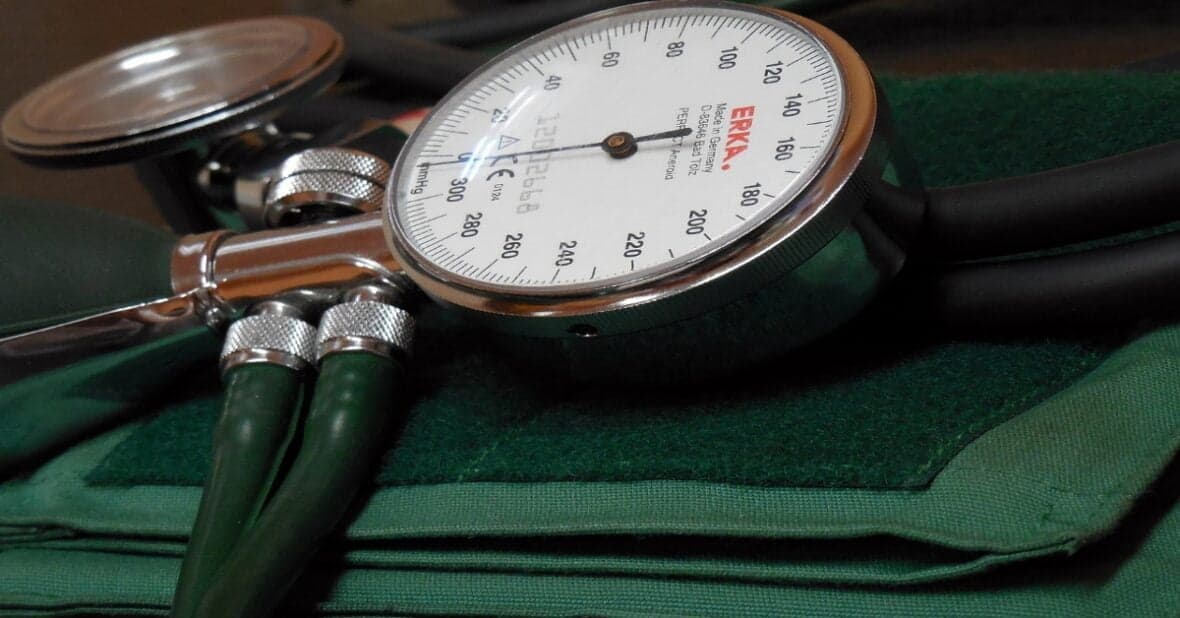
Tracking your blood pressure at home with a blood pressure monitor is an important step in protecting your overall health.
Consistency is one of the most important factors when it comes to natural health strategies. While individual remedies can be helpful, combining multiple supportive habits—such as proper nutrition, movement, stress management, and sleep—often leads to more noticeable and lasting results. Think of these approaches as building blocks that work together to support overall cardiovascular health.
Regular monitoring helps you detect early changes, manage hypertension more effectively, and see how lifestyle choices or medications are working in real time.
Home readings can also provide more accurate insights than occasional office visits by reducing stress-related spikes, empowering you to take an active role in preventing heart disease, stroke, and other serious health complications.
The Importance of Regular Movement
Physical activity is one of the most effective natural ways to support healthy blood pressure. Movement helps strengthen the heart, improve circulation, and reduce tension in the blood vessels. The good news is that you don’t need intense workouts to see benefits.
Simple activities like walking, stretching, or light resistance exercises can make a meaningful difference when done consistently. Even 20–30 minutes of daily movement may help support cardiovascular function and promote more stable blood pressure levels.
In addition to structured exercise, reducing long periods of sitting is important. A sedentary lifestyle may contribute to poor circulation and increased health risks over time. Taking short breaks to stand, stretch, or walk throughout the day can support better overall blood flow.
The key is consistency. Finding activities you enjoy makes it easier to stay active and turn movement into a sustainable daily habit.
The Role of Diet in Supporting Healthy Blood Pressure
Diet plays a central role in maintaining healthy blood pressure levels. The foods you eat daily can either support proper circulation or contribute to imbalances that may raise blood pressure over time. Focusing on whole, unprocessed foods is one of the most effective natural strategies for supporting cardiovascular health.
Fresh fruits and vegetables are especially beneficial because they are rich in potassium, fiber, and antioxidants. Potassium helps balance sodium levels in the body, which is important for regulating blood pressure. Leafy greens, bananas, avocados, and sweet potatoes are all excellent choices to include regularly.
Reducing processed foods is equally important. Many packaged and convenience foods contain high levels of sodium, preservatives, and unhealthy fats that may contribute to elevated blood pressure. Preparing meals at home using simple, whole ingredients allows you to better control what goes into your body.
Healthy fats also play a supportive role. Sources such as olive oil, nuts, seeds, and fatty fish provide nutrients that help maintain flexible, healthy blood vessels. Over time, these small dietary shifts can contribute to improved circulation and overall heart health.
Best foods to lower blood pressure naturally
- Beets or beet juice, which contain natural nitrates that support circulation
- Garlic, commonly used as a dietary supplement
- Celery or celery juice, traditionally associated with heart health
- Regular physical activity, such as walking or gentle exercise
- Stress-reducing breathing techniques
Incorporating these foods in your diet every day will contribute to lowering your your blood pressure faster. The best results are seen when used consistently.
Note: Not all garlic offers the same potential benefits, especially when it comes to supporting healthy blood pressure. Many people assume that any form of garlic—whether raw, cooked, powdered, or in supplement form—will provide the same effects, but the key compound responsible for many of garlic’s benefits is allicin.
Allicin is formed when fresh garlic is crushed or chopped, but it is highly unstable and can be reduced or destroyed by heat, processing, or aging. This means that heavily cooked garlic or low-quality garlic powders may provide fewer active compounds.
For those looking to maximize potential benefits, freshly crushed raw garlic or high-quality, standardized garlic supplements (such as aged garlic extract or stabilized allicin formulas) are often preferred. Choosing the right type and preparation method can make a significant difference in how effective garlic may be as part of a natural approach to supporting blood pressure.
If you’re looking for a convenient and reliable option, a high-quality aged garlic extract supplement such as Kyolic Aged Garlic Extract Formula 100 is often recommended. Unlike standard garlic powders or oils, aged garlic extract undergoes a specialized aging process that stabilizes beneficial compounds and improves absorption while reducing harsh side effects and odor.
This type of garlic has been widely studied for its potential role in supporting circulation and overall cardiovascular health, making it one of the most trusted forms for those looking to support healthy blood pressure naturally.
Not all garlic supplements are created equal, so choosing a standardized, well-researched form can make a significant difference in results.
Get Adequate Sleep
Sleep also plays a critical role in regulating blood pressure. Poor or inconsistent sleep may disrupt hormonal balance and increase stress hormones, which can contribute to higher readings. Prioritizing 7–9 hours of quality sleep each night may help support both heart health and overall well-being.
Breathing Technique to Support Blood Pressure
Deep, controlled breathing may help activate the body’s relaxation response. Research published in the Journal of Hypertension suggests that slow breathing techniques can support short-term reductions in blood pressure.
Simple Breathing Exercise
- Sit comfortably and relax your shoulders and muscles.
- Inhale slowly through your nose for a count of 5, allowing your abdomen to rise.
- Exhale gently through your mouth for a count of 8, as if blowing out candles.
- Repeat for 5 minutes, maintaining slow, steady breaths.
Breathing techniques are one of the simplest and most accessible tools to lower blood pressure naturally. Because they directly influence the nervous system, they can be used anytime—whether you’re at home, at work, or dealing with a stressful situation. Over time, consistent practice may help improve resilience to stress and promote a calmer baseline state.
Practicing this technique regularly may help support relaxation and overall cardiovascular health.
“The quality of your life is measured by the number of deep breaths you take, Make each breath count.” -Richie Norton
The Connection Between Stress and Blood Pressure
Stress and blood pressure are closely connected through the nervous system. When the body perceives stress, it releases hormones that temporarily increase heart rate and constrict blood vessels. While this response is helpful in short bursts, chronic stress can keep blood pressure elevated over time.
Creating daily habits that support relaxation can help counterbalance this effect. Practices such as deep breathing, meditation, journaling, or spending time in nature may help calm the nervous system and promote a more balanced state.
It’s also important to recognize that stress isn’t always caused by major events. Small, repeated stressors throughout the day—like multitasking, constant notifications, or lack of downtime—can add up and impact overall health.
By intentionally building moments of calm into your routine, you give your body the opportunity to reset and recover, which may support healthier blood pressure patterns over time.
Best Natural Supplements That May Support Blood Pressure
In addition to diet and lifestyle changes, some people explore natural supplements as part of their wellness routine. While supplements should never replace medical care, certain nutrients and plant compounds are commonly used to support cardiovascular health.
Magnesium Complex is one of the most well-known minerals for supporting relaxation and healthy blood pressure. It plays a role in muscle function, including the relaxation of blood vessels.
Omega-3 fatty acids, commonly found in fish oil, are associated with heart health and may help support blood pressure levels. These healthy fats are known for their anti-inflammatory properties.
Garlic supplements are also widely used due to their potential role in supporting circulation. Some studies suggest that garlic may help promote healthy blood vessel function.
Coenzyme Q10 (CoQ10) is another popular supplement that supports energy production in cells and may benefit heart health.
For a food derived supplement, check out this Daily Natural Blood Pressure Support.
As with any supplement, it’s important to consult with a healthcare provider before adding new products, especially if you are taking medications or managing an existing condition.
Want more natural wellness ideas? Try our Natural Remedy Index Tool to explore remedies for other common issues.
Frequently Asked Questions About Blood Pressure
What is the fastest way to lower blood pressure naturally?
Some of the quickest natural methods include slow deep breathing, reducing stress, and drinking water if you’re dehydrated. While these may provide short-term support, long-term improvements usually come from consistent lifestyle changes.
Can drinking water lower blood pressure?
Staying properly hydrated supports healthy circulation and blood volume, which may help regulate blood pressure. Dehydration can sometimes contribute to higher readings.
Do natural remedies really work for high blood pressure?
Natural approaches such as diet, exercise, stress reduction, and certain foods like beets or garlic may support healthy blood pressure. However, they work best when combined with medical guidance when needed.
How long does it take to lower blood pressure naturally?
Results vary depending on the individual. Some people may notice small improvements within days or weeks, while more significant changes often take consistent effort over several months.
Can stress alone cause high blood pressure?
Chronic stress can contribute to long-term increases in blood pressure by keeping the body in a heightened state of alertness. Managing stress is an important part of supporting heart health.
When to Seek Medical Support
While natural approaches can be helpful, it’s important to recognize when additional medical support may be needed. Blood pressure that remains consistently elevated should be evaluated by a healthcare professional.
In some cases, lifestyle changes alone may not be enough, and medical treatment may be necessary to reduce the risk of complications. This is especially important for individuals with significantly high readings or underlying health conditions.
Regular monitoring can help you stay informed about your progress and identify any changes early. If you experience symptoms such as severe headaches, chest pain, shortness of breath, or dizziness, it’s important to seek medical attention promptly.
Combining natural strategies with professional guidance provides a balanced and safe approach to supporting long-term cardiovascular health.
Conclusion
Maintaining healthy blood pressure is not about making one single change, but rather creating a supportive lifestyle that works with your body. Small, consistent habits practiced daily often have a greater impact than short-term efforts. Over time, these natural approaches can help build a strong foundation for long-term heart health and overall well-being.
Resources on How to Lower Blood Pressure Naturally
Breathing exercises to lower your blood pressure
Breathing exercise for hypertensive patients: A scoping review