How To Treat Sciatica Naturally
Sciatica is a condition that affects the sciatic nerve, causing pain, numbness, or tingling that can travel from the lower back through the hips, buttocks, and legs. While conventional treatments may involve medications or surgery, many people are interested in learning about alternative medicine for common health conditions and natural remedies for sciatica.
Sciatica can significantly impact daily life, making simple movements like sitting, walking, or even sleeping uncomfortable. The good news is that many cases improve with conservative care and consistent natural support. By addressing inflammation, muscle tension, and posture, you can often reduce pressure on the sciatic nerve and promote long-term relief without relying solely on medication.
If you’re interested in how stress and inflammation impact the body, you may also want to read our guide on Natural Ways to Boost Metabolism, Energy & Physical Wellness, as chronic tension and poor circulation can contribute to nerve discomfort like sciatica.
This guide explores safe, non-invasive methods to manage symptoms and support overall spinal health.
In This Article
Medical Disclaimer: This article is for informational purposes only and should not be considered medical advice. Always consult a licensed healthcare provider before trying new health practices or products.
Affiliate Disclosure: This article may contain affiliate links. As an Amazon Associate, I may earn earn from qualifying purchases at no additional cost to you.
What is Sciatica?
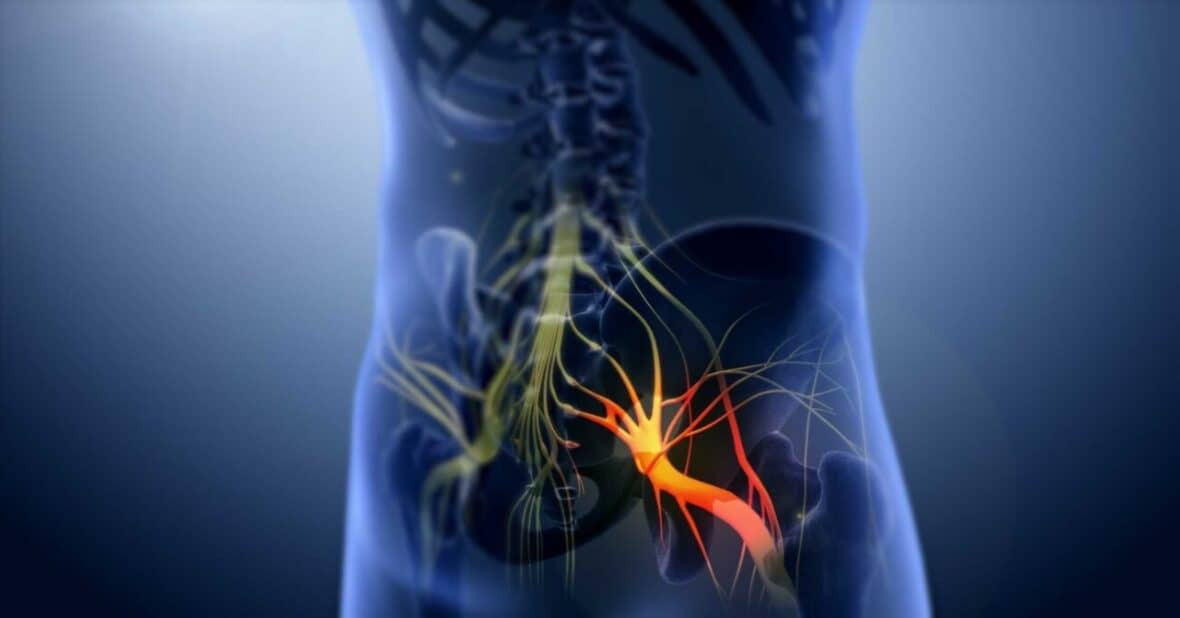
The sciatic nerve is the largest nerve in the body, extending from the lower back down through the back of the legs to the feet. Sciatica occurs when this nerve is irritated or compressed, which may result from conditions such as:
- Herniated or bulging discs
- Spinal stenosis
- Bone spurs on the spine
- Muscle imbalances
Sciatica usually affects one side of the body. Symptoms can range from a mild ache to sharp or burning pain, electric shock-like sensations, muscle weakness, or tingling in the leg or foot. Persistent or severe pain should be evaluated by a healthcare professional to ensure proper diagnosis and care.
Sciatica Symptoms
Common symptoms of sciatica include:
- Pain that radiates from the lower back to the foot
- Burning or shooting pain in the lower back, hips, or buttocks
- Muscle weakness or numbness in the affected leg
- Tingling or electric-shock sensations
Conventional Treatments for Sciatica
Standard medical approaches may include:
- Nonsteroidal anti-inflammatory drugs (NSAIDs)
- Hot or cold compresses for temporary relief
- Physical therapy and guided movement
- Surgery in severe or persistent cases
While these treatments can be effective, they may not always address underlying causes or may have side effects. This has led some people to explore complementary natural methods.
Before starting any natural treatment plan, it’s important to understand that sciatica is often caused by underlying structural or muscular imbalances. Combining multiple approaches—such as movement, topical remedies, and lifestyle changes—tends to be more effective than relying on a single solution. Consistency is key when using natural methods for lasting results.
How to Treat Sciatica Naturally: Natural Approaches
Holistic treatments supporting nerve health can help reduce discomfort, improve mobility, and support long-term spinal health. These methods are safe to use alongside professional care.
Essential oils are often used in how to treat sciatica naturally because of their anti-inflammatory and soothing effects. Popular oils include lavender, bergamot, rosemary, eucalyptus, chamomile, ginger, and frankincense.
1. Essential Oils for Sciatica
Certain essential oils may help alleviate discomfort due to their anti-inflammatory and soothing properties. Popular options include lavender, bergamot, rosemary, eucalyptus, chamomile, ginger, and frankincense.
Usage Tips: Always mix essential oils with a carrier oil (coconut, jojoba, almond, or avocado) to prevent skin irritation.
When applied through massage, essential oils may also help relax tight muscles surrounding the sciatic nerve, which can reduce pressure and improve circulation. This combination of physical relief and aromatherapy can support both the body and nervous system, making it a popular complementary option.
Essential Oil Sciatica Relief Blend:
- 2 tablespoons carrier oil
- 5 drops lavender essential oil
- 4 drops peppermint essential oil
- 3 drops rosemary essential oil
- 3 drops ginger essential oil
Instructions:
- Combine carrier oil and essential oils in a small dark glass bottle.
- Shake gently and apply a few drops to the lower back, hips, or affected leg area.
- Massage in circular motions for 5–10 minutes, up to twice daily as needed.
- Store in a cool, dark place and use within 6–8 months.
For convenience, you can also use a pre-made therapeutic essential oil blend designed for muscle and nerve support, which saves time and ensures proper dilution ratios.
If you’re considering this approach, at-home devices like red light therapy panels or infrared wraps can make it easy to incorporate into your routine and target lower back pain more consistently.
If you’re building a natural toolkit for pain relief, check out our DIY Natural Medicine Cabinet guide for more remedies you can use at home.
Movement plays a key role in overall wellness. You may also benefit from reading Natural Ways to Boost Metabolism, Energy & Physical Wellness, which covers how daily activity supports circulation and recovery.
2. Sciatica Stretches & Exercises
Stretching is an essential part of how to treat sciatica naturally, as it can relieve nerve compression, improve flexibility, and ease pain. Recommended exercises:
Knee-to-Chest Stretch:
- Lie on your back with knees bent
- Pull one knee to your chest, hold for 10 seconds
- Repeat with the other knee, then both knees together
- Perform 5 repetitions
Lower Body Rotation:
- Lie on your back with knees bent
- Rotate knees to the left, hold 10 seconds
- Rotate to the right, hold 10 seconds
- Repeat 5 times
Pelvic Tilt Stretch:
- Lie on your back with knees bent
- Tighten your abdominal muscles, pressing your lower back to the floor
- Hold for 5 seconds, repeat 10 times
Regular stretching may provide noticeable relief and is considered a supportive natural approach.
For best results, perform these stretches daily and move slowly to avoid further irritation. Gentle, controlled movements are more beneficial than pushing through pain. Over time, improved flexibility and reduced muscle tension can significantly decrease sciatic nerve compression.
3. Light Therapy
Infrared or red light therapy is another way people explore how to treat sciatica naturally. It may help by:
- Increasing blood flow to affected areas
- Supporting cellular repair
- Delivering oxygen and nutrients to muscles, joints, and nerves
Many people choose to use light therapy devices at home for convenience, especially during flare-ups. While results can vary, consistent use over several weeks may provide gradual improvement in pain levels and mobility.
Light therapy is non-invasive and can be used as part of a broader plan for managing sciatica discomfort.
4. Lifestyle Adjustments
Simple lifestyle changes can help reduce pressure on the sciatic nerve:
- Stay Active: Avoid prolonged sitting; take regular walking breaks.
- Posture: Maintain proper spinal alignment when sitting or standing.
- Supportive Footwear: Use shoes with good arch support.
- Healthy Weight: Maintaining a healthy weight reduces spinal strain.
Small daily habits can have a major impact on sciatica symptoms. Even simple changes—like adjusting your chair height, using lumbar support, or incorporating short stretching breaks—can help prevent flare-ups and support long-term recovery. You may also benefit from using lumbar support cushions or posture correctors, especially if you sit for long periods, to help reduce pressure on the lower spine.
Supporting your body holistically is key. You may also enjoy our guide on Natural Ways to Boost Gut Health, as inflammation in the body can influence nerve sensitivity and overall pain levels.
Final Thoughts on How to Treat Sciatica Naturally
Sciatica can be uncomfortable, but a combination of natural approaches—essential oils, stretching, light therapy, and lifestyle adjustments—may help reduce symptoms and improve mobility. These strategies are most effective when paired with professional guidance.
It’s important to listen to your body and avoid movements that worsen symptoms. If pain persists, worsens, or is accompanied by severe weakness or loss of bladder/bowel control, seek medical attention promptly, as these may indicate a more serious condition.
Consistent care, attention to posture, and safe exercises can support overall spinal health and enhance quality of life.
FAQs About How to Treat Sciatica Naturally
How to Treat Sciatica Naturally
The fastest natural relief often comes from a combination of gentle stretching, heat or cold therapy, and improving posture. Applying essential oils with massage and staying lightly active can also help reduce inflammation and ease nerve pressure.
Can sciatica go away on its own without treatment?
Yes, many cases of sciatica improve within a few weeks with rest and self-care. However, using natural treatments like stretching and lifestyle adjustments can speed up recovery and help prevent future flare-ups.
Are essential oils for sciatica effective?
Essential oils may help reduce inflammation and relax muscles when used with a carrier oil and massage. While they don’t cure sciatica, they can be a helpful complementary therapy for symptom relief.
What activities should I avoid with sciatica?
Avoid prolonged sitting, heavy lifting, sudden twisting movements, and high-impact activities during flare-ups. These can increase pressure on the sciatic nerve and worsen symptoms.
When should I see a doctor for sciatica pain?
Seek medical attention if your pain is severe, lasts longer than a few weeks, worsens over time, or is accompanied by numbness, weakness, or loss of bladder or bowel control.
Resources Used
Resource: Aromatherapy (Essential Oils) — National Center for Complementary and Integrative Health (NIH)
Resource: Yoga or Stretching Eases Low Back Pain — NIH Research Summary
You can also browse our Natural Remedy Index Tool to find natural wellness approaches for other everyday health concerns.
Leave a Comment Below if you’ve tried natural remedies for sciatica or have your own tips—we’d love to hear about your experience!