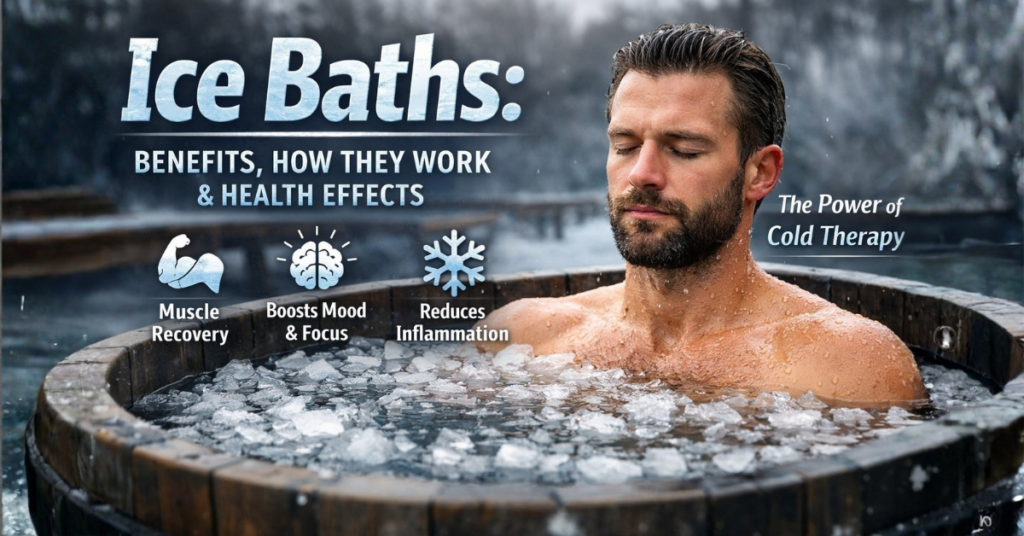
Ice Bath Benefits: What it Does to the Body, and Health Benefits
Ice bath—also called cold water immersion (CWI)—have become increasingly popular in wellness and athletic communities. From professional athletes to wellness influencers, many people use cold therapy to improve recovery, boost mood, and enhance overall health.
But what exactly happens when your body is introduced to cold water immersion? How does it affect your physiology, and what does science actually say about is bath benefits?
This guide explores the science of ice tubs, how they work, their potential health benefits, risks, and best practices.
In This Article
Medical Disclaimer: This article is for informational purposes only and should not be considered medical advice. Always consult a licensed healthcare provider before trying new health practices or products.
Affiliate Disclosure: This article may contain affiliate links. As an Amazon Associate, I may earn earn from qualifying purchases at no additional cost to you.
What Is an Ice Bath?
An ice bath involves immersing the body in very cold water, typically between 50–59°F (10–15°C), for a short period of time—usually 2 to 15 minutes.
Ice tubs are used in:
- Sports recovery
- Physical therapy
- Stress resilience training
- Wellness routines
- Cold exposure therapy
While the trend may seem modern, cold water therapy has been practiced for centuries in cultures such as Nordic cold plunging traditions and Japanese Misogi rituals.
How Cold Water Immersion Work in the Body
cold water immersion triggers several physiological responses that affect the nervous system, circulation, hormones, and metabolism.
1. The Cold Shock Response
When your body suddenly enters cold water, it experiences a cold shock response.
This causes:
- Rapid breathing
- Increased heart rate
- Elevated blood pressure
- Release of stress hormones
This response activates the sympathetic nervous system, which controls the body’s fight-or-flight reaction.
Over time, repeated cold exposure may improve how the body handles stress.
2. Vasoconstriction and Blood Flow Changes
Cold water causes vasoconstriction, meaning blood vessels tighten.
This leads to:
- Reduced blood flow to extremities
- Decreased inflammation
- Reduced swelling in muscles and joints
Once you leave the cold water immersion and warm up, blood vessels expand again (vasodilation), increasing circulation and delivering oxygen and nutrients to tissues.
This cycle is why cold water immersion is commonly used for athletic recovery.
3. Hormonal and Neurochemical Effects
Cold exposure triggers the release of several hormones and neurotransmitters:
- Dopamine – associated with motivation and pleasure
- Endorphins – natural pain relievers
- Norepinephrine – increases alertness and focus
Some studies show dopamine levels may rise dramatically during cold exposure, which can contribute to improved mood and mental clarity.
4. Activation of Brown Fat
Cold exposure activates brown adipose tissue (BAT), also known as brown fat.
Brown fat helps the body:
- Generate heat
- Burn calories
- Improve glucose metabolism
This is why researchers are studying cold exposure as a possible tool for metabolic health and insulin sensitivity.
5. Cellular Adaptation and Cold-Shock Proteins
Cold exposure triggers the production of cold-shock proteins, particularly RBM3.
These proteins help:
- Protect cells from stress
- Improve cellular repair
- Support mitochondrial function
Some emerging research suggests these mechanisms may contribute to cellular resilience and potential anti-aging effects.
Cold Therapy Benefits
1. Reduced Muscle Soreness and Faster Recovery
Ice tubs are widely used by athletes because they may help reduce delayed onset muscle soreness (DOMS) after intense exercise.
Cold water immersion helps:
- Reduce inflammation
- Decrease swelling
- Slow nerve conduction (reducing pain signals)
This can accelerate recovery after strenuous workouts.
2. Reduced Inflammation
Cold exposure reduces inflammatory processes by constricting blood vessels and slowing metabolic activity in tissues.
This may help with:
- Joint pain
- Minor injuries
- Arthritis discomfort
However, inflammation is also part of the body’s healing process, so excessive use may interfere with muscle adaptation.
3. Improved Mood and Mental Health
Many people report feeling euphoric or energized after cold exposure.
This may be due to:
- Increased dopamine
- Endorphin release
- Activation of the nervous system
Cold exposure may also improve resilience to stress by training the body to adapt to uncomfortable situations.
4. Improved Circulation
The cycle of vasoconstriction during cold exposure and vasodilation during warming may improve circulation over time.
Better circulation supports:
- Tissue repair
- Cardiovascular health
- Nutrient delivery to cells
5. Metabolic and Blood Sugar Benefits
Some research suggests cold exposure may:
- Improve insulin sensitivity
- Activate calorie-burning brown fat
- Support metabolic health
However, these effects vary between individuals and require more research.
6. Increased Mental Resilience
Ice baths are often described as a form of hormetic stress—a mild stress that stimulates beneficial adaptations.
Regular cold exposure may improve:
- Stress tolerance
- Mental discipline
- Emotional resilience
This psychological component is one reason cold plunging is becoming popular in wellness communities.
Potential Risks
Despite the many benefits, they are not risk-free.
1. Cold Shock
Sudden immersion in cold water can cause:
- Gasping
- Hyperventilation
- Panic
In extreme cases, this can lead to drowning if it occurs in deep water.
2. Cardiovascular Stress
Cold exposure can increase:
- Heart rate
- Blood pressure
- Cardiac workload
This may be dangerous for people with heart disease or high blood pressure.
3. Hypothermia
Prolonged exposure can cause hypothermia, where the body’s core temperature drops dangerously low.
Symptoms include:
- Shivering
- Confusion
- Loss of coordination
4. Nerve and Tissue Damage
Extreme cold exposure can damage:
- Peripheral nerves
- Blood vessels
- Skin tissue
This is why experts recommend short exposure times.
How to Use an Ice Tub Safely
General guidelines:
Temperature
- 50–59°F (10–15°C)
Duration
- Beginners: 2–5 minutes
- Experienced users: up to 10–15 minutes
Safety Tips
- Enter the water slowly
- Focus on controlled breathing
- Avoid staying in too long
- Warm up gradually afterward
- Never plunge if you have heart conditions without medical advice
Who Should Avoid Cold Therapy
This may not be safe for people with:
- Cardiovascular disease
- Raynaud’s syndrome
- Peripheral artery disease
- Cold urticaria
- Peripheral neuropathy
- Pregnancy (consult a physician)
Always consult a healthcare professional if you have medical conditions before starting cold exposure therapy.
Caution for Children
Ice baths are generally not recommended for children unless supervised by a qualified medical professional or athletic trainer. Children’s bodies regulate temperature differently than adults, and they can lose body heat much faster, increasing the risk of hypothermia, cold shock, or cardiovascular stress.
Extremely cold water can also trigger rapid breathing and panic, which may be dangerous for younger individuals. If cold therapy is considered for sports recovery in teens, it should be done with mild temperatures, very short durations, and close adult supervision. Parents should always consult a healthcare professional before allowing children or adolescents to use ice baths.
Ice Baths vs Cold Showers
| Feature | Ice Baths | Cold Showers |
|---|---|---|
| Intensity | High | Moderate |
| Full-body immersion | Yes | No |
| Recovery benefits | Strong | Moderate |
| Risk level | Higher | Lower |
For those who want to experience the benefits of cold therapy at home. Adding an ice tub to your routine makes it simple to enjoy the recovery, circulation, and mental resilience benefits of cold exposure
Best Ice Bath Tubs for Home Use
XXL Ice Bath Tub for Athletes – see reviews on Amazon
The Pod – See reviews on Amazon
Insulated Cold Plunge Tub – See price on Amazon
Frequently Asked Questions (FAQ)
Are ice baths good for you?
Ice baths may offer benefits such as reduced muscle soreness, improved mood, and increased stress resilience. However, scientific evidence is still evolving, and benefits vary between individuals.
How long should you stay in the ice tub?
Most experts recommend 2–10 minutes, depending on the temperature and your experience level.
What temperature should it be?
Typically at 50–59°F (10–15°C).
Does cold therapy burn fat?
Cold exposure activates brown fat, which burns calories to generate heat. However, they are not a reliable weight-loss method.
Can cold water exposure boost immunity?
Some studies show increased immune activity after cold water exposure, but evidence that it prevents illness is limited.
Are ice baths safe every day?
Daily cold exposure may be safe for healthy individuals if done briefly, but excessive use could stress the body.
Do ice baths help with anxiety or stress?
Cold exposure can increase dopamine and endorphins, which may improve mood and stress resilience.
Are ice baths safe for children?
Ice baths are generally not recommended for young children because their bodies lose heat faster than adults and they are more vulnerable to cold shock and hypothermia. If cold therapy is used for sports recovery in teenagers, it should only be done with adult supervision and guidance from a healthcare professional or athletic trainer.
At what age can children use a ice tub?
There is no universal age guideline, but most experts recommend avoiding ice tubs for younger children. Older teenagers involved in competitive sports may sometimes use cold water immersion for recovery under professional supervision, but parents should consult a medical professional first.
How long should a teen stay in an ice bath?
If cold water immersion is used for older teens in athletic settings, it is typically very short—around 2 to 5 minutes at moderate cold temperatures. Sessions should always be supervised and carefully monitored.
Final Thoughts
Ice baths are a powerful physiological stimulus that can influence circulation, metabolism, hormones, and stress responses.
Potential benefits include:
- Faster muscle recovery
- Reduced inflammation
- Improved mood and energy
- Enhanced stress resilience
- Possible metabolic improvements
However, they also carry risks if used improperly.
The key to safe and effective cold exposure is moderation, gradual adaptation, and listening to your body.
References
- Tipton, M., Harper, M. (Cold Water Immersion Research)
- Medical News Today – Ice bath benefits and risks. (Medical News Today)
- Scripps Health – Are Ice Baths Good for You? (Scripps.org)
- PBS NewsHour – How ice baths affect the body. (PBS)
- Associated Press – Cold-water immersion benefits and risks. (The Associated Press)
- HealthCrunch – Cellular effects of cold exposure. (Daily Crunch)
- Institute for Environmental Research and Education – Contraindications of cold water therapy. (Environmental Research Institute)