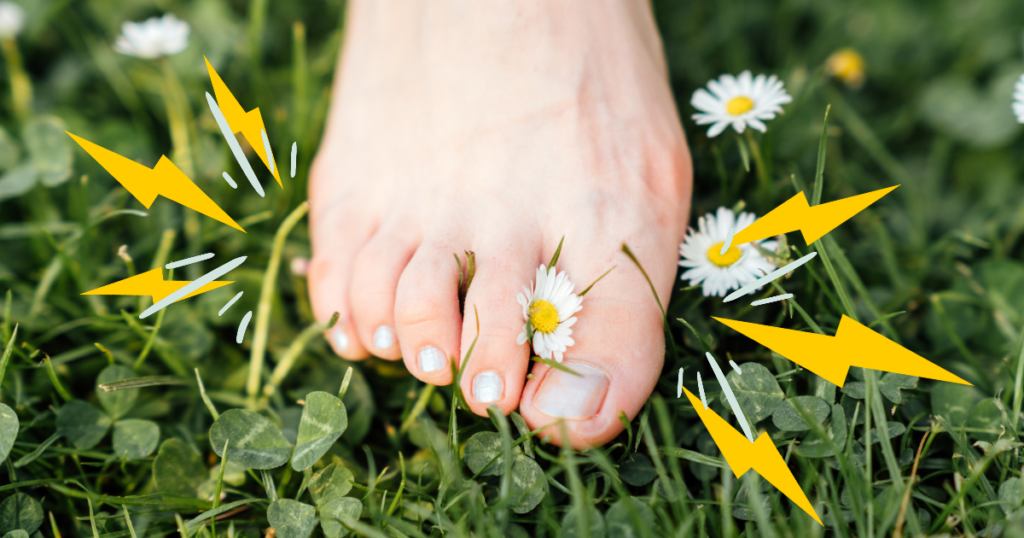
Grounding: Supported by Science, or a Wellness Trend
Many people explore grounding and energy-based therapies as part of a broader approach to health. These practices are often incorporated alongside alternative medicine for common health conditions, helping to support overall wellness, balance the nervous system, and promote long-term vitality.
This article examines the evidence to answer one central question: is grounding scientifically proven according to current research standards?
You will also learn how grounding shoes, grounding mats, and grounding sheets can help you connect with the Earth’s natural energy from the comfort of your home.
These products make it easy to practice grounding whether you’re walking, working at your desk, or sleeping. We’ll explore how each option works, their key features, and tips for incorporating them into your daily routine for a simple, natural way to feel more centered and refreshed.
Table of Contents
Medical Disclaimer: This article is for informational purposes only and should not be considered medical advice. Always consult a licensed healthcare provider before trying new health practices or products.
Affiliate Disclosure: This article may contain affiliate links. As an Amazon Associate, I may earn earn from qualifying purchases at no additional cost to you.
What Is Grounding (Earthing)?
Grounding (earthing) refers to direct contact between the human body and the Earth’s surface—typically soil, grass, sand, or concrete. The concept is based on the idea that the Earth carries a natural electrical charge and that contact with it may influence the body’s electrical state.
Many readers ask, “Is grounding scientifically proven?”—especially as earthing products and health claims continue to grow in popularity. In recent years, the wellness community has shown growing interest in grounding, also known as earthing. This practice involves making direct physical contact with the Earth—such as walking barefoot on grass or sand—or using earthing products designed to replicate that connection indoors.
Supporters suggest grounding may support relaxation, sleep quality, and overall well-being, while critics argue the benefits are overstated or driven largely by placebo effects. With earthing shoes, mats, and sheets now widely marketed, it’s reasonable to ask: Is grounding supported by science, or is it simply another wellness trend?
Historically, humans spent far more time barefoot or in direct contact with natural surfaces. Modern lifestyles—rubber-soled shoes, synthetic flooring, and urban environments—reduce that contact, which has led some researchers to explore whether reconnecting with the Earth has measurable effects.
The Theory Behind Earthing
The hypothesis behind grounding is that the Earth’s surface contains free electrons that may interact with the human body during direct contact. Some researchers propose that this interaction could influence biological processes related to stress response, sleep, or inflammation.
It’s important to note that this theory is still being studied. While the concept is grounded (pun intended) in basic physics, its relevance to human health has not been conclusively established.
Top 6 Benefits of Grounding for Wellness and Relaxation
Many people use grounding techniques—like walking barefoot, or using grounding shoes, grounding mats, or grounding sheets—to feel more balanced, relaxed, and refreshed. Below are six ways grounding can support a greater sense of wellness and everyday vitality.
- Promotes a Sense of Calm – Many people feel more relaxed and centered when spending time grounded.
- Supports Restful Sleep – Grounding may help create a soothing environment that encourages better sleep habits.
- Enhances Mood – Spending time connected to the Earth can help boost overall feelings of well-being.
- Encourages Mindful Movement – Walking barefoot or using grounding products can make you more aware of your body and surroundings.
- Increases Energy and Vitality – Users often report feeling refreshed and more alert after grounding.
- Connects You with Nature – Grounding helps foster a deeper connection to the outdoors and natural environments.
What Does the Science Say About Grounding?
To understand whether grounding is scientifically proven, it’s important to review what existing studies actually measure and where evidence remains limited.
Examples include:
- Sleep and stress response: Small studies have observed changes in cortisol rhythm and self-reported sleep quality among participants using grounding sheets during sleep.
- Inflammatory markers: Some research has reported changes in certain blood markers associated with inflammation after grounding interventions.
- Muscle recovery: Limited studies involving athletes suggest grounding may be associated with reduced muscle soreness following intense activity.
These findings are preliminary and often involve small sample sizes. They do not establish grounding as a medical treatment, but they do indicate areas worthy of further investigation.
Limitations of Current Studies
Most grounding research shares common limitations:
- Small participant groups
- Short study durations
- Reliance on self-reported outcomes
- Limited use of double-blind controls
Because of this, major health organizations do not recognize grounding as a medical therapy. Any potential benefits should be viewed as supportive or lifestyle-related, not therapeutic.
Are Grounding Products Proven to Work?
As grounding gained popularity, commercial products emerged to provide grounding products indoors and outdoors. These include grounding shoes, mats, and bed sheets.
Grounding Shoes Explained: How They Work (and Why Regular Shoes Don’t)
A common question is whether grounding shoes are effective compared to barefoot contact or indoor grounding methods.
Grounding shoes are designed with conductive materials—such as carbon-infused rubber or copper elements—intended to allow electrical conductivity between the foot and the ground when walking on conductive surfaces.
Unlike conventional footwear, grounding shoes aim to reduce insulation between the body and the Earth.
Do Rubber-Soled Shoes Block Grounding?
Most modern shoes use rubber, EVA foam, or plastic-based soles, which act as electrical insulators. From a physics standpoint, these materials limit conductivity, which is why grounding advocates emphasize barefoot contact or conductive footwear.
Choosing Grounding Shoes Carefully
Not all products marketed as “grounding shoes” offer the same construction or materials. If you explore this option, look for:
- Clearly stated conductive components
- Transparent material descriptions
- Realistic claims rather than health guarantees
- Rubber soles do not conduct electricity, so when choosing grounding shoes, focus on conductive sole materials such as leather.
Grounding shoes are not medical devices, and results—if any—may vary depending on environment, surface conductivity, and individual factors.
Grounding Mats and Grounding Sheets
Many of the grounding products mentioned in this article can be found in my wellness resources page, where I share products I personally recommend.
Grounding mats and sheets are designed for indoor use and typically connect to a grounded outlet or grounding rod.
- This type of Grounding mat is often used under desks or at home while sitting.
- This type of Grounding sheets incorporate conductive fibers intended to maintain contact during sleep and comes in different mattress sizes.
For readers interested in complementary mechanical approaches, you may also explore our article on 128 Hz tuning fork benefits and parasympathetic activation
Some small studies suggest these setups can measurably alter the body’s electrical potential, but whether this translates into meaningful health outcomes remains unclear.
Is Grounding a Scam or Just Overhyped?
Grounding itself is not inherently deceptive—it is a real physical phenomenon. However, overstated marketing claims can be misleading.
Skeptics point out that:
- Benefits are often exaggerated
- Products can be expensive
- Free options (barefoot contact outdoors) exist
Wellness regulators have historically taken issue with products that imply disease prevention or cures without strong evidence. Consumers should be cautious of claims promising dramatic or guaranteed results.
A Practical, Evidence-Based View on Grounding
Grounding is best viewed as a low-risk lifestyle practice, similar to spending time outdoors, walking barefoot, or engaging in relaxation routines.
For some people, grounding may:
- Encourage mindfulness and stress reduction
- Promote better sleep habits
- Increase time spent outdoors
If you’re curious, starting with free barefoot grounding—such as walking on grass or sand—may be the simplest approach before investing in products.
Frequently Reported Effects of Grounding (Based on Limited Evidence)
The following effects have been reported in small studies or anecdotal accounts, but are not medically proven:
- Changes in perceived stress levels
- Improved sleep quality
- Reduced muscle soreness
- Enhanced sense of well-being
These observations should not be interpreted as guaranteed outcomes.
Is grounding scientifically proven by medical research?
Much of the interest comes from people wondering, does grounding really work, or are reported effects simply the result of placebo or lifestyle changes?
Medical research has explored grounding in limited pilot studies, but it has not yet been scientifically proven through large-scale clinical trials.
FAQ’s About Grounding
Is grounding scientifically proven?
Some studies suggest grounding (also called earthing) may help reduce inflammation, improve sleep, and support stress reduction. While research is limited and more high-quality studies are needed, many users report noticeable benefits in overall wellness.
How do grounding shoes work?
Grounding shoes have conductive soles—often made of leather or a special conductive material—that allow the body to connect with the Earth’s natural electrical energy, even while walking indoors or on non-conductive surfaces.
Can I use regular shoes for grounding?
No, regular shoes with rubber or synthetic soles block the flow of electrons from the Earth. Only shoes designed with conductive materials will provide grounding benefits.
What are grounding mats and how do they work?
Grounding mats are specially designed mats you place under your feet, desk, or bed. They are connected to a grounded outlet or rod, allowing your body to absorb the Earth’s natural energy while sitting, working, or sleeping indoors.
Do grounding sheets really help you sleep better?
Many people find grounding sheets improve sleep quality by reducing stress and promoting relaxation. They work by creating a conductive connection between your body and the Earth while you sleep.
How do I maintain and clean grounding products?
Grounding shoes, mats, and sheets should be cleaned according to the manufacturer’s instructions—usually mild soap and water for mats and sheets, and gentle care for shoes—to ensure the conductive components remain intact and effective.
Final Verdict: Is Grounding Scientifically Proven?
So, is grounding scientifically proven? Based on current research, grounding has been studied in small, preliminary trials, but it is not yet supported by large-scale, conclusive scientific evidence. Grounding sits at the intersection of science, lifestyle, and wellness culture. While early research suggests grounding may influence certain biological markers, current evidence is limited and preliminary.
Grounding products can offer convenience, especially in urban environments, but they are optional—not essential. Nature remains the most accessible grounding source, available without cost or equipment.
As with many wellness practices, grounding is best approached with curiosity, moderation, and realistic expectations.
Learn more about how integrative wellness strategies can complement your healing journey in our Alternative Medicine for Common Health Conditions guide.
Resources
- PubMed: The effects of grounding (earthing) on inflammation, immune response, and physiological processes
- Journal of Alternative and Complementary Medicine – grounding pilot studies
Explore Our Wellness Resources
If you’re looking for natural tools, digital wellness guides, and supportive resources mentioned throughout this article, you can find them all in our Wellness Resources, or our recommended grounding sheets.