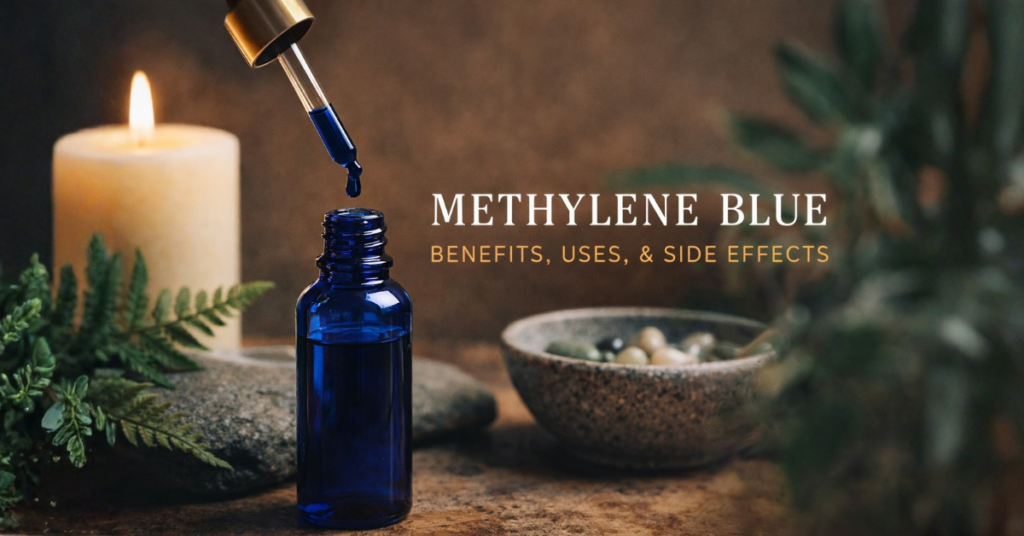
Methylene Blue is a compound with a long and complex history, spanning clinical medicine, laboratory science, and—more recently—wellness and longevity conversations. Once known primarily as a medical dye and pharmaceutical agent, it has re-entered public interest due to emerging research into its effects on cellular energy, mitochondrial function, and oxidative balance.
Methylene blue is gaining attention for its potential to support mitochondrial energy production and brain health. Some people use it in small, carefully measured amounts as part of their wellness routine. You can learn more about the methylene blue supplement we recommend here.
As curiosity grows, so do questions. What exactly is this blue dye? What are the Methylene Blue benefits? And just as importantly, what are the known Methylene Blue side effects and safety concerns?
This in-depth guide explores the science, history, potential benefits, and risks of this blue dye compound through a grounded, evidence-informed lens.
Table of Contents
Medical Disclaimer: This article is for informational purposes only and should not be considered medical advice. Always consult a licensed healthcare provider before trying new health practices or products.
Affiliate Disclosure: This article may contain affiliate links. As an Amazon Associate, I may earn earn from qualifying purchases at no additional cost to you.
What Is Methylene Blue?
Methylene Blue is a synthetic chemical compound first developed in the late 1800s. It was initially used as a textile dye before researchers discovered its biological activity. Over time, it became widely used in laboratory diagnostics and specific medical applications under controlled conditions.
Chemically, this blue dye belongs to a class of compounds known as phenothiazines. Its unique molecular structure allows it to participate in redox reactions—processes that involve the transfer of electrons. This characteristic is central to both its potential benefits and its risks.
Today, this synthetic compound exists in several forms, including pharmaceutical-grade formulations used in hospitals and laboratory-grade solutions used for research. This distinction is critical when discussing safety and usage.
If you’re building a collection of natural remedies for everyday wellness, methylene blue is one of several supplements some people choose to keep on hand for cellular and cognitive support. To see other helpful items you may want in your home wellness toolkit, explore our guide to DIY Natural Medicine Cabinet: Natural Remedies Every Home Should Have.
A Brief History of This Synthetic Compound
Methylene Blue has been studied for well over a century. Historically, it has been used in medical settings for specific, short-term applications, such as:
- Diagnostic staining
- Certain blood-related conditions under medical supervision
- Surgical visualization procedures
Because of its long history, this dye is one of the most extensively studied synthetic compounds in modern medicine. However, historical medical use does not automatically translate to safety in non-clinical or wellness contexts.
Why Is This Synthetic Compound Gaining Attention in Wellness Circles
Interest in this synthetic liquid compound has expanded beyond hospitals and laboratories due to growing awareness of mitochondrial health. Mitochondria are the energy-producing structures inside cells, responsible for generating ATP—the body’s primary energy currency.
As research increasingly links mitochondrial efficiency to aging, cognitive health, and physical vitality, compounds that influence mitochondrial pathways have drawn attention.
This has led to widespread online discussion about Methylene Blue benefits, often without sufficient attention to risks or proper context.
How This Dye Interacts With Cellular Energy
Mitochondrial Function
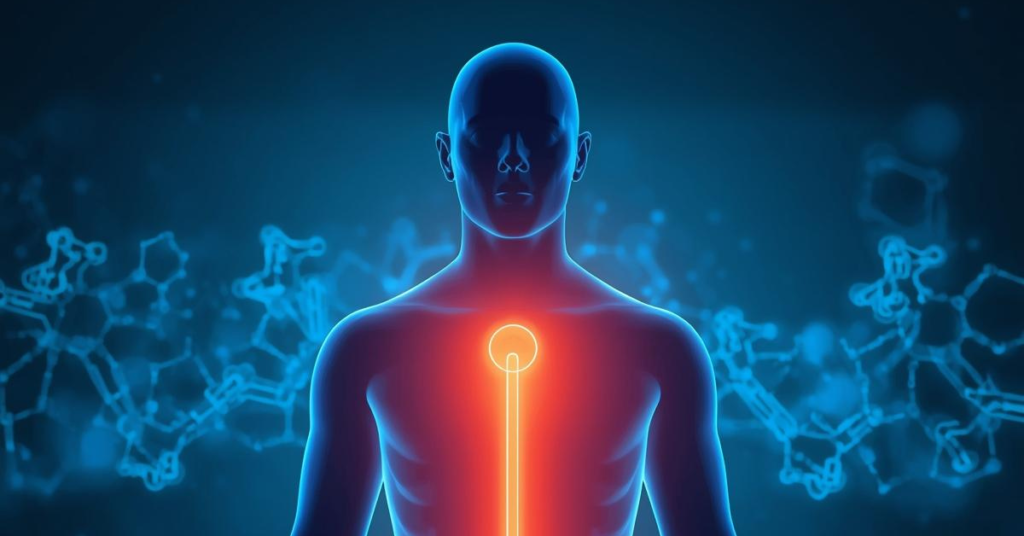
One of the most discussed aspects of this liquid compound is its interaction with the mitochondrial electron transport chain. In simplified terms, Methylene Blue can act as an electron carrier, potentially supporting energy production under certain conditions.
Mitochondria naturally decline in efficiency with age, stress, and environmental factors. This decline is associated with fatigue, reduced cognitive performance, and slower cellular repair.
Research interest centers on whether it may help maintain energy flow within mitochondria, particularly during periods of metabolic stress.
Redox Activity and Oxidative Balance
Unlike traditional antioxidants, Methylene Blue operates through redox cycling rather than directly neutralizing free radicals. This means it alternates between oxidized and reduced states, influencing cellular signaling and oxidative balance.
This mechanism is complex and dose-dependent, which is why improper use may lead to adverse effects rather than benefits.
Methylene Blue Benefits: What Research is Exploring
It is essential to approach Methylene Blue benefits with realism and caution. Much of the interest is based on laboratory, animal, or early-stage human research.
1. Cellular Energy and Fatigue Resistance
One of the most commonly cited Methylene Blue benefits is its potential role in supporting cellular energy efficiency. By influencing mitochondrial pathways, it may help cells maintain energy output under certain conditions.
Healthy energy production is foundational for:
- Physical stamina
- Cognitive endurance
- Cellular repair processes
However, this does not mean it is an energy supplement or stimulant.
2. Cognitive Function and Brain Metabolism
The brain is one of the most energy-demanding organs in the body. Because of this, compounds that influence mitochondrial activity are often studied for neurological applications.
Preliminary research has examined Methylene Blue in relation to:
- Memory formation
- Neural signaling efficiency
- Brain oxygen utilization
These studies are exploratory and do not establish METHYLENE BLUE as a cognitive enhancer or treatment.
3. Interest in Longevity and Aging Research
Mitochondrial health is closely tied to aging processes. As mitochondrial efficiency declines, cells become more vulnerable to oxidative stress and dysfunction.
Because substance interacts with redox and energy systems, it has become part of broader longevity discussions. This does not mean it slows aging, but it explains why it appears in scientific conversations about cellular resilience.
Antimicrobial and Laboratory Properties
Historically, this compound has demonstrated antimicrobial activity in laboratory settings. This property contributed to its early medical use.
However, antimicrobial activity does not justify unsupervised internal use, and this aspect is often misunderstood in wellness discussions.
Methylene Blue Side Effects: What You Need to Know
Understanding Methylene Blue side effects is critical. This compound is biologically active and not inherently safe outside controlled settings.
Commonly Reported Side Effects
Potential Methylene Blue side effects may include:
- Nausea or digestive discomfort
- Headaches
- Dizziness
- Restlessness
- Blue or green discoloration of urine, saliva, or stool
While discoloration may be harmless, it indicates systemic absorption.
Serious Risks and Drug Interactions
One of the most serious concerns with this synthetic compound is its interaction with medications.
This synthetic compound should not be combined with:
- SSRIs or SNRIs
- MAO inhibitors
- Certain antidepressants
- Some psychiatric medications
These combinations can increase the risk of serotonin syndrome, a potentially life-threatening condition.
Genetic and Medical Contraindications
Individuals with certain genetic conditions, such as G6PD deficiency, may be at increased risk of adverse reactions.
This blue dye is also not recommended for:
- Pregnant individuals
- Breastfeeding individuals
- Those with kidney or liver conditions without medical supervision
Dosing Risks and Purity Concerns
One of the greatest risks associated with this blue dye is improper dosing. The margin between low-dose exposure and harmful levels can be narrow.
Additionally, many products marketed online are:
- Laboratory-grade
- Industrial-grade
- Not intended for human use
- Potentially contaminated
This raises significant safety and ethical concerns.
Is Methylene Blue Approved for Wellness Use?
Yes, it is approved for specific medical applications under professional supervision. However, it is not widely approved as a dietary supplement.
Regulatory status varies by country, and consumers should be cautious of marketing claims that overstate benefits or minimize risks.
Natural Wellness Alternatives
For individuals seeking energy, focus, or longevity support, natural alternatives may offer a safer foundation.
These include:
- Adaptogenic herbs
- Functional mushrooms
- Nutrient-dense diets
- Sleep and circadian rhythm optimization
- Stress management practices
Unlike synthetic compounds, these approaches support cellular health through multiple pathways with lower risk profiles.
Ethical and Informed Decision-Making
This synthetic dye sits at the intersection of science, medicine, and wellness curiosity. While research is ongoing, it is not a casual supplement and should never be approached without professional guidance.
Responsible wellness prioritizes:
- Long-term safety
- Foundational health practices
- Evidence-informed choices
FAQ’s:
What is Methylene Blue used for?
Methylene Blue is a synthetic compound historically used in medical and laboratory settings, including diagnostic staining and specific clinical treatments under professional supervision. More recently, it has gained attention in wellness discussions related to cellular energy and mitochondrial research.
What are the potential Methylene Blue benefits?
Emerging research is exploring Methylene Blue benefits related to cellular energy production, mitochondrial efficiency, and oxidative balance. Most findings are preliminary and based on laboratory or early-stage studies rather than widespread clinical use.
Is Methylene Blue safe to take?
It is not considered a general wellness supplement. Safety depends on dosage, purity, individual health status, and medication use. It should never be used without medical guidance due to potential side effects and drug interactions.
What are the side effects of Methylene Blue?
Common side effects may include nausea, headaches, dizziness, digestive discomfort, and blue or green discoloration of urine. Serious risks can occur when combined with certain medications, especially antidepressants.
Can Methylene Blue interact with medications?
Yes. It can interact dangerously with antidepressants such as SSRIs, SNRIs, and MAO inhibitors, increasing the risk of serotonin syndrome. Medical supervision is essential.
Is Methylene Blue approved as a dietary supplement?
No. Methylene Blue is approved for limited medical applications but is not widely approved or regulated as a dietary supplement. Many products sold online are not intended for human consumption.
Are there natural alternatives for energy support?
Yes. Natural wellness approaches such as adaptogenic herbs, functional mushrooms, proper sleep, stress reduction, and nutrient-dense diets support cellular energy with significantly lower risk.
Final Thoughts
Methylene Blue is a scientifically fascinating compound with a long medical history and emerging research interest. Its potential benefits related to cellular energy, cognitive function, and oxidative balance continue to be explored.
At the same time, Methylene Blue side effects, drug interactions, and dosing risks are real and significant. Anyone considering learning more about Methylene Blue should approach the topic with caution, discernment, and respect for its potency.
True wellness is built on consistency, education, and balance—not shortcuts.
Resources
Drugs.com
A medically reviewed overview discussing methylene blue’s historical medical uses, biological activity, and known safety considerations.
https://www.drugs.com/medical-answers/what-benefits-methylene-blue-3579794/
U.S. Food & Drug Administration (FDA) — Drug Safety Communication
Official FDA guidance outlining serious central nervous system reactions and drug interactions associated with methylene blue use.
https://www.fda.gov/drugs/drug-safety-and-availability/fda-drug-safety-communication-serious-cns-reactions-possible-when-methylene-blue-given-patients