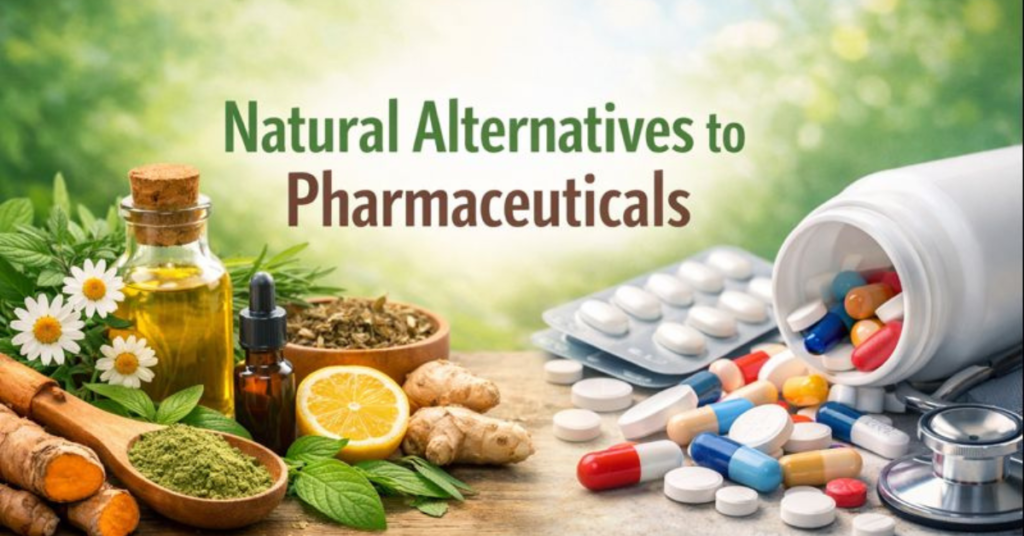
Interest in natural alternatives to pharmaceuticals continues to grow as people seek Alternative Medicine for Common Health Conditions. Nutrition, lifestyle habits, and certain plant-based compounds may complement conventional medical care when used responsibly and with professional guidance.
This article explores commonly discussed natural approaches, what current research suggests, and where caution is necessary. Natural remedies are not intended to replace prescribed medications, but may play a supportive role in a comprehensive health plan.
Why People Are Searching for Natural Alternatives to Pharmaceuticals
Many people are turning toward natural alternatives to pharmaceuticals due to concerns about long-term medication use, side effects, and a desire to address the root causes of health conditions. Chronic stress, poor diet, environmental toxins, and sedentary lifestyles all contribute to modern health challenges, leading individuals to explore more holistic and preventative approaches.
Search interest in natural remedies for inflammation, immune support, and hormone balance has increased significantly, reflecting a shift toward integrative health strategies. While pharmaceuticals remain essential in many cases, combining them with evidence-informed natural approaches may help support overall wellness and long-term health outcomes.
In This Article
Medical Disclaimer: This article is for informational purposes only and should not be considered medical advice. Always consult a licensed healthcare provider before trying new health practices or products.
Affiliate Disclosure: This article may contain affiliate links. As an Amazon Associate, I may earn earn from qualifying purchases at no additional cost to you.
Natural Remedies as Complementary Approaches
In some situations, lifestyle changes and natural interventions may help support the body’s normal functions. However, pharmaceuticals are often necessary and life-saving, particularly for acute or serious medical conditions.
Research emphasizes that many medications treat symptoms effectively, while lifestyle-based approaches can help address underlying contributors such as inflammation, nutrient deficiencies, stress, and metabolic imbalance. The safest approach integrates both when appropriate, under medical supervision.
Natural alternatives to pharmaceuticals often focus on supporting the body’s internal balance rather than targeting a single symptom. For example, improving gut health, reducing chronic inflammation, and stabilizing blood sugar levels may have widespread effects across multiple systems in the body. This systems-based approach is a key reason why many individuals incorporate natural therapies alongside conventional care.
Essential Oils and Wellness Support

Essential oils are concentrated plant extracts commonly used in aromatherapy and personal wellness routines. While they are not medications, some oils have been studied for their antioxidant, antimicrobial, and anti-inflammatory properties, primarily in laboratory or animal models.
Lavender, peppermint, and frankincense are frequently used to support relaxation, digestive comfort, and mindfulness practices. Human clinical evidence remains limited, and essential oils should be viewed as supportive wellness tools rather than medical treatments
When used topically, essential oils should always be diluted in a carrier oil to reduce the risk of irritation.
Natural alternatives to pharmaceuticals: Antibiotics
Antibiotics can destroy both beneficial and harmful bacteria in the gut, increasing inflammation and gastrointestinal issues. Before using a prescription drug for an infection or inflammation, there are a few natural treatments to think about. Turmeric, garlic, black seed oil, vitamin D, oil of oregano, and echinacea are some of the natural alternatives to pharmaceuticals for infections.
It is important to understand that natural alternatives to antibiotics are not replacements for prescription medications in cases of serious bacterial infections. However, certain plant compounds have demonstrated antimicrobial properties in laboratory settings and may support the body’s natural defenses. Supporting immune resilience through nutrition, sleep, and stress reduction remains one of the most effective long-term strategies.
Many of these remedies can be found in a well-stocked home setup—learn how to build one in our guide to a DIY natural medicine cabinet.
Natural Support for Pain and Inflammation
Inflammation plays a role in many chronic conditions. Certain dietary compounds have been studied for their anti-inflammatory effects.
Curcumin, the active compound in turmeric, has demonstrated antioxidant and anti-inflammatory properties in multiple clinical and preclinical studies (Hewlings & Kalman, Foods, 2017). Similarly, ginger has been shown to influence inflammatory pathways and may support joint and muscle comfort (Daily et al., Journal of Pain Medicine, 2015).
While these compounds may be natural alternatives to pharmaceuticals for comfort. Persistent or severe pain should always be evaluated by a healthcare provider.
In addition to herbal compounds, lifestyle factors such as regular movement, anti-inflammatory diets, and adequate sleep play a significant role in managing discomfort. Natural alternatives to pharmaceuticals for inflammation often work best when combined with these foundational habits, helping to regulate inflammatory pathways over time rather than providing immediate symptom suppression.
Gut Health, Immunity, and Antibiotic Awareness
Antibiotics are essential for treating bacterial infections, but they can also disrupt gut microbiota. Supporting gut health through nutrition may play a role in immune function.
Garlic has been studied for its antimicrobial and immune-modulating properties. Clinical trials have shown that aged garlic extract may reduce inflammation and support cardiovascular and immune health (Ried et al., Experimental and Therapeutic Medicine, 2016).
Vitamin D is also associated with immune regulation, and deficiency has been linked to increased susceptibility to infection.
Fermented foods such as sauerkraut, kefir, and kimchi provide beneficial bacteria that may help restore gut balance after antibiotic use. Prebiotic fibers found in foods like garlic, onions, and bananas also support the growth of healthy gut microbes. Together, these strategies may strengthen the gut-immune connection and reduce the need for repeated interventions.
If you’re looking to improve digestion and immunity naturally, explore our full guide on natural ways to boost gut health.
Natural Alternatives to Pharmaceuticals: High Blood Pressure – Lifestyle-Based Support
High blood pressure requires medical oversight, but research supports lifestyle changes as foundational therapy.
Studies show that garlic supplementation can significantly reduce systolic and diastolic blood pressure in individuals with hypertension. Omega-3 fatty acids (EPA and DHA) have also been associated with modest reductions in blood pressure, particularly in hypertensive populations.
Dietary patterns rich in fruits, vegetables, and low sodium—such as the DASH diet—are strongly associated with improved blood pressure outcomes.
Other natural alternatives to pharmaceuticals for blood pressure support include stress management techniques such as meditation, breathwork, and cold exposure. Chronic stress is a major contributor to hypertension, and addressing nervous system regulation may have measurable effects on cardiovascular health over time.
Certain adaptogens may also support stress resilience and cardiovascular balance, which we cover in our article on adaptogenic mushrooms for stress and energy.
For further information, read our article on How to Lower Blood Pressure Naturally.
Thyroid Health and Nutrient Considerations
Thyroid disorders are complex and require proper diagnosis and treatment. In some cases, nutrient deficiencies may contribute to thyroid dysfunction.
Iodine, selenium, and iron are essential for normal thyroid hormone production. Selenium intake, including dietary sources such as Brazil nuts, has been shown to support thyroid function in deficient individuals (Winther et al., European Thyroid Journal, 2020).
Ashwagandha has been studied for stress modulation and potential effects on thyroid hormone balance, though evidence is still emerging and should be interpreted cautiously (Sharma et al., Journal of Alternative and Complementary Medicine, 2018).
While these compounds may be natural alternatives to pharmaceuticals. You should always be evaluated by a healthcare provider to discuss if these supplements are right for you.
Because thyroid function is closely tied to stress and metabolic health, addressing adrenal balance and gut health may also play a supportive role. A comprehensive approach that includes nutrient optimization, stress reduction, and proper medical evaluation provides the safest and most effective strategy for thyroid support.
Frequently Asked Questions
What are the best natural alternatives to pharmaceuticals?
The best natural alternatives to pharmaceuticals depend on the condition being addressed. Common options include anti-inflammatory foods, herbal compounds like turmeric and ginger, essential oils for relaxation, and lifestyle changes such as improved diet, sleep, and stress management.
Can natural remedies replace prescription medications?
Natural remedies are not intended to replace prescription medications, especially for serious or acute conditions. They are best used as complementary approaches under the guidance of a licensed healthcare provider.
Are natural alternatives to antibiotics effective?
Some natural compounds show antimicrobial properties in laboratory studies, but they are not a substitute for antibiotics when treating bacterial infections. Supporting immune health through nutrition and lifestyle is a safer long-term strategy.
Do natural remedies have side effects?
Yes, natural remedies can still cause side effects or interact with medications. Just because something is natural does not mean it is risk-free, which is why professional guidance is important.
How long do natural remedies take to work?
Natural approaches often work more gradually than pharmaceuticals, focusing on long-term balance rather than immediate symptom relief. Consistency is key for noticeable results.
Conclusion
Natural alternatives to pharmaceuticals offer a supportive and holistic approach to health by addressing underlying lifestyle factors such as nutrition, stress, sleep, and inflammation. While modern medications remain essential for many conditions, integrating evidence-based natural strategies may help improve long-term wellness and resilience.
The most effective approach is not choosing one over the other, but understanding how natural and conventional methods can work together. This integrative perspective allows individuals to take a more proactive role in their health while still benefiting from medical advancements when needed.
For those interested in exploring how certain compounds bridge the gap between traditional medicine and modern wellness, examining unique examples can provide valuable insight.
One such compound is methylene blue, which has a long history in clinical medicine and is now being discussed in relation to cellular energy and mitochondrial function. Understanding its benefits and limitations can help illustrate the evolving relationship between pharmaceuticals and alternative approaches.
You can explore this topic further in our in-depth guide on methylene blue benefits and side effects.
Stay informed, stay balanced, and always prioritize safe, evidence-based care.
References
• Ried, K., Travica, N., & Sali, A. (2019). Effect of aged garlic extract on blood pressure in hypertensive individuals: A randomized controlled trial. Integrated Blood Pressure Control, 12, 9–18.
• Hewlings, S. J., & Kalman, D. S. (2017). Curcumin: A review of its effects on human health. Foods, 6(10), 92.
• Bakkali, F., et al. (2008). Biological effects of essential oils—A review. Food and Chemical Toxicology, 46(2), 446–475.
References are provided for informational purposes only and do not replace professional medical advice.