
Illuminating the Light Therapy Benefits
This post contains affiliate links. As an Amazon Associate, I earn from qualifying purchases.
In a fast-paced world where stress and irregular routines are common, many people explore supportive wellness approaches to improve overall well-being. Light therapy, also known as phototherapy, often involves using specialized light therapy devices at home or in clinical settings, and has been studied for its role in supporting mood, sleep patterns, and certain skin conditions. Rather than replacing medical treatment, many individuals incorporate natural wellness resources within broader health and wellness routines.
Table of Contents
Medical Disclaimer: This article is for informational purposes only and should not be considered medical advice. Always consult a licensed healthcare provider before trying new health practices or products.
What does UV Phototherapy Do?
Before exploring potential benefits, it is important to understand how Light Therapy works. This approach is based on a process known as photobiomodulation, where controlled exposure to specific wavelengths of light may influence cellular activity. Research suggests these light exposures can support biological processes related to circadian rhythm regulation, mood balance, and cellular function, depending on the type of light used and the condition being addressed.
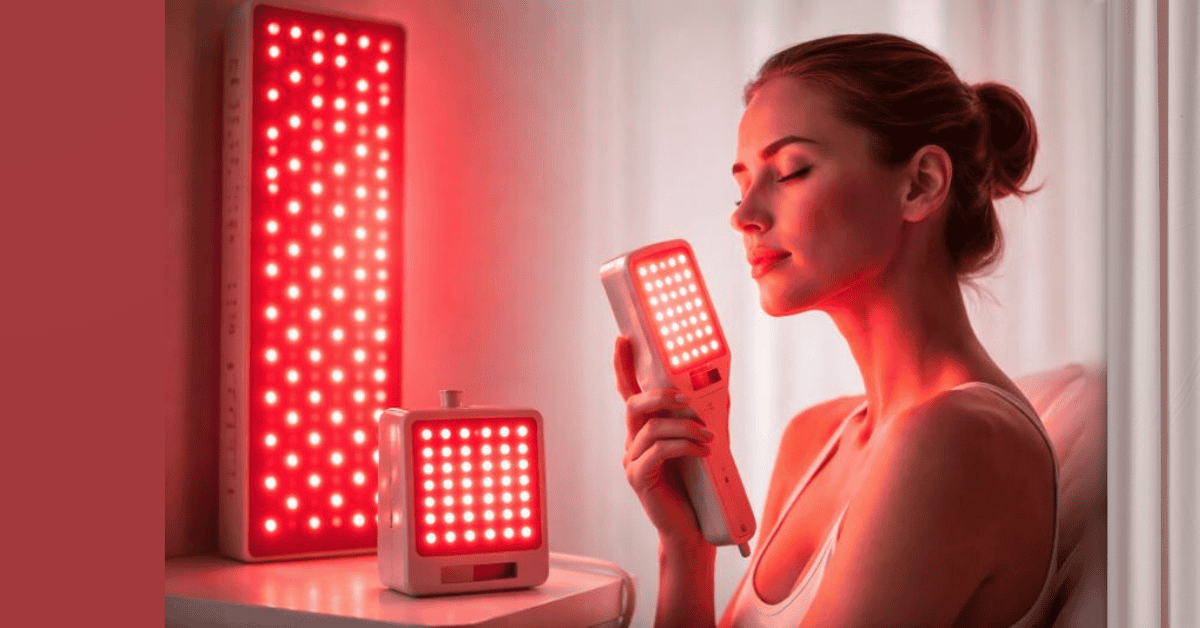
Light Therapy typically involves exposure to artificial light sources, such as light boxes or specialized lamps, designed to emit controlled wavelengths of light. These devices are commonly used to support circadian rhythm regulation and are often applied in structured settings or daily routines. While research has explored their use for various conditions, light-based therapies are generally considered supportive tools rather than replacements for medical treatment.
Combat the Seasonal Blue’s
One of the most well-known applications of Light Therapy is its use in managing symptoms of seasonal affective disorder (SAD), a form of depression that commonly occurs during the winter months when daylight exposure is reduced.
Light-based treatments are often used in the morning to support circadian rhythm alignment, which may influence mood-regulating processes in the brain. Clinical studies suggest that, when used appropriately, light therapy can help reduce certain symptoms associated with SAD, though results may vary among individuals.
A Bright Solution for Sleep Disorders
Sleep disorders have become increasingly common, affecting both physical and mental well-being. Light Therapy is sometimes used as a supportive approach for sleep-related issues such as insomnia or circadian rhythm sleep-wake disorders.
Timed exposure to bright light—often in the morning—may help signal the body’s internal clock and support more consistent sleep-wake patterns. While some individuals report improved sleep timing and alertness, light-based therapies should be used consistently and, when possible, under professional guidance.
Glowing Skin from Within
In addition to its use for mood and sleep regulation, Light Therapy is also applied in dermatology under medical supervision. Different wavelengths of light have been studied for their role in managing certain skin conditions, including acne, psoriasis, and signs of skin aging.
Research suggests that specific light-based treatments help reduce inflammation, support skin repair processes, and influence collagen-related activity. Outcomes can vary depending on the type of light used, treatment duration, and individual skin conditions.
How Light Therapy Benefits Health and Wellness
Ongoing research continues to explore how light therapy may support various aspects of health when used appropriately. In clinical settings, specific forms of phototherapy are used as part of treatment plans for certain conditions, including seasonal affective disorder (SAD), some sleep-related disorders, and select skin conditions such as psoriasis and eczema.
These treatments involve controlled exposure to specific wavelengths of light under medical guidance. While light-based therapies show potential in areas such as pain management and recovery, outcomes vary, and light therapy should be viewed as a complementary approach rather than a standalone cure.
How Light Therapy Promotes Health and Well-Being
Light therapy offers a natural way to support overall health by targeting the body’s internal rhythms, mood, and skin. By exposing the body to specific wavelengths of light, this therapy helps regulate circadian rhythms, improve sleep quality, and boost mood.
Many people also experience benefits for skin conditions like acne, psoriasis, and eczema, as light therapy can reduce inflammation and stimulate cellular regeneration. Whether you’re managing seasonal affective disorder, adjusting to shift work, or looking to support your skin’s health, light therapy provides a safe, non-invasive method to enhance overall well-being.
Light Therapy and Hormones
Light therapy plays a surprising but powerful role in supporting natural hormone balance and thyroid health.
Exposure to natural or therapeutic light helps regulate the body’s circadian rhythm, which in turn influences cortisol levels, melatonin production, and thyroid function.
Proper light exposure in the morning can boost energy, improve sleep quality, and support metabolic processes, all of which contribute to healthy hormone signaling.
Incorporating light therapy alongside a nutrient-rich diet, stress management, and holistic thyroid support strategies can help maintain long-term natural hormone balance and overall endocrine health.
If you’re specifically interested in how this technology applies to thyroid function, see our in-depth guide on red light therapy for hypothyroidism.
Who Should Avoid Light Therapy?
Phototherapy is generally safe for treating conditions like seasonal affective disorder (SAD), insomnia, and certain skin issues. However, it may not be suitable for everyone. Individuals with specific health concerns should consult a healthcare provider before starting light therapy to ensure it is safe for their condition.
Eye Conditions::
- Retinal disorders such as macular degeneration, diabetic retinopathy, or retinal dystrophies may worsen with prolonged light exposure.
- Glaucoma: Bright light therapy can raise intraocular pressure, which may aggravate this condition.
Severe light sensitivity (photophobia): Individuals prone to migraines or extreme light sensitivity might find light therapy uncomfortable or harmful.
Bipolar Disorder: While light therapy can improve symptoms of depression, it may trigger manic or hypomanic episodes in individuals with bipolar disorder. Those with bipolar disorder—especially if not well-managed—should only use light therapy under the guidance of a healthcare professional.
Skin Conditions and Photosensitivity: Individuals with light-sensitive skin conditions, such as lupus or polymorphous light eruption, may experience worsening symptoms with light therapy. Additionally, those with severe sunburns or irritated skin should avoid phototherapy, as it could exacerbate these issues.
Medications That Increase Light Sensitivity: Certain medications, such as some antibiotics, antidepressants, and other drugs, can make your skin more sensitive to light. If you are taking any photosensitizing medications, it’s important to consult your healthcare provider before starting phototherapy to avoid adverse reactions.
Pregnancy Considerations: Although current research does not show strong evidence that phototherapy poses risks during pregnancy, the effects have not been thoroughly studied. Expectant mothers should consult their healthcare provider before using light therapy to ensure safety for both mother and baby.
Skin Cancer Considerations: Individuals with a history of skin cancer should exercise caution with phototherapy, particularly UV-based treatments. Ultraviolet light could potentially worsen pre-existing skin conditions or trigger new issues. Consulting a healthcare professional is essential before starting light therapy to ensure safe use.
Seizure Risk Precautions: Phototherapy that involves bright or flashing lights may pose a risk for individuals prone to photosensitive seizures. If you have a seizure disorder, it’s important to consult a healthcare professional before using light therapy to ensure it’s safe for your condition.
Phototherapy for Children: Light therapy may benefit children experiencing sleep disorders or seasonal mood changes, but it should always be administered under the guidance of a healthcare professional. Its safety and effectiveness for young children, particularly those under five years old, are not yet well-established.
Mood Disorders and Phototherapy: Individuals experiencing mood disturbances should seek a proper medical evaluation before starting light therapy, especially if the condition hasn’t been clearly diagnosed as seasonal affective disorder or another condition that may respond to phototherapy. Proper guidance ensures safe and effective use of this therapy.
Summary of Light Therapy Benefits
- Treats Seasonal Affective Disorder (SAD): Phototherapy is highly effective for managing seasonal affective disorder, a type of depression that occurs during months with limited sunlight. Morning exposure to bright light helps regulate the body’s circadian rhythm, boosts serotonin levels, and improves mood.
- Improves Sleep Disorders: For insomnia or delayed sleep phase disorder, light therapy can help reset the body’s internal clock. Proper timing of bright light exposure allows users to fall asleep more easily and wake up feeling refreshed.
- Enhances Mood and Reduces Depression Symptoms: Beyond SAD, phototherapy has been shown to support treatment for non-seasonal depression. By stimulating serotonin production, it can complement therapy or medications, improving overall emotional well-being.
- Supports Skin Health: UVB and LED light therapy can treat skin conditions such as psoriasis, eczema, and vitiligo. Specific wavelengths reduce inflammation, slow abnormal skin cell growth, and encourage healing for a healthier complexion.
- Helps with Jet Lag and Shift Work: Phototherapy can ease adjustment to new sleep schedules caused by travel or irregular work hours. Exposure to targeted light at specific times helps synchronize the circadian rhythm, reducing fatigue and improving alertness.
So, why wait in the shadows? Step into the light and let its rays illuminate your path to wellness. Check out the recommended natural wellness essentials.
Conclusion: Using Phototherapy Safely and Effectively
Phototherapy can offer meaningful benefits for a variety of conditions, from seasonal affective disorder and insomnia to certain skin concerns. However, individual health circumstances must be considered before starting light therapy.
Consulting with a qualified healthcare professional ensures the treatment is appropriate, safe, and tailored to your needs. With proper guidance, light therapy can be a valuable addition to your wellness routine, helping improve mood, sleep, and overall well-being.
References
https://en.wikipedia.org/wiki/Light_therapy Light therapy, also called phototherapy or bright light therapy is the exposure to direct sunlight or artificial light at controlled wavelengths in order to treat a variety of medical disorders, including seasonal affective disorder, circadian rhythm sleep-wake disorders, cancers, and skin wound infections
https://www.ncbi.nlm.nih.gov/books/NBK563140 Phototherapy is an effective treatment modality for severe generalized atopic eczema.
https://my.clevelandclinic.org/health/treatments/24385-phototherapy-light-therapy Phototherapy can reduce the appearance of psoriasis and eczema.
https://www.psoriasis.org/phototherapy/ Phototherapy is typically prescribed by a dermatologist. Phototherapy involves exposing the skin to ultraviolet light on a regular basis and under medical supervision. Treatments can be done in a health care provider’s office, a clinic, or at home with a phototherapy unit.
https://healthsciences.arizona.edu/news/stories/exploring-phototherapy-new-option-manage-chronic-pain phototherapy can be used for chronic pain.
https://psychiatryonline.org/doi/full/10.1176/appi.ajp.162.4.656 Evidence base for the efficacy of light therapy in treating mood disorders.
To explore curated wellness tools and guides used throughout this site, visit my Wellness Resources page.
Join the discussion—what’s your take on this topic? Leave a comment below.