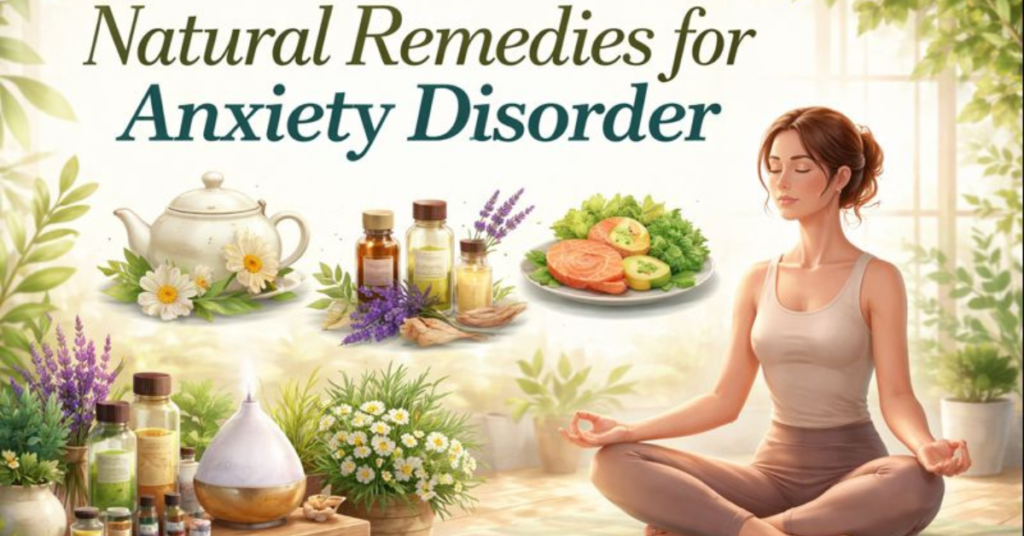
Many people search for “natural remedies for anxiety disorder” without medication, focusing on lifestyle changes, nutrition, and holistic wellness practices.
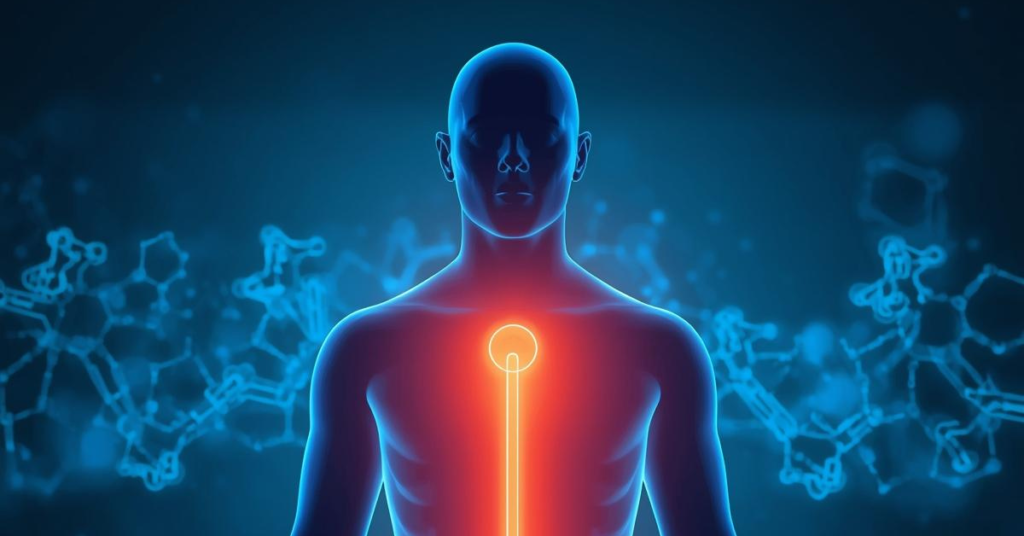
Anxiety is deeply connected to how the nervous system responds to stress, particularly the balance between fight-or-flight and relaxation states. To better understand this connection, explore our guide on vagus nerve function and nervous system regulation.
Anxiety disorders affect both mental and physical health, influencing sleep, focus, digestion, and emotional balance. Many people explore alternative medicine for emotional well-being as a complementary way to support relaxation, resilience, and overall well-being.
Table of Contents
Medical Disclaimer: This article is for informational purposes only and should not be considered medical advice. Always consult a licensed healthcare provider before trying new health practices or products.
Affiliate Disclosure: This article may contain affiliate links. As an Amazon Associate, I may earn earn from qualifying purchases at no additional cost to you.
Understanding Anxiety
Anxiety is the body’s natural “fight-or-flight” response to perceived threats. While short-term anxiety can be helpful, chronic anxiety keeps the nervous system in a heightened state, which may contribute to emotional distress and physical symptoms. Managing anxiety often requires addressing both mental and bodily factors through consistent, supportive habits.
Because the nervous system plays a central role in anxiety, learning how to support it—especially through techniques that activate the vagus nerve—may help promote a greater sense of calm and balance. For a deeper understanding, read our guide on vagus nerve function and nervous system regulation.
What Causes Anxiety Disorders?
Anxiety disorders can develop from a combination of biological, environmental, and lifestyle factors. While each person’s experience is unique, understanding common triggers can help identify patterns and support more effective management strategies.
Some common causes of anxiety disorder include:
• Chronic stress from work, relationships, or financial pressure
• Hormonal imbalances, including cortisol dysregulation
• Poor sleep quality, which affects emotional regulation
• Nutrient deficiencies, such as magnesium or B vitamins
• Excessive caffeine or stimulant intake
• Past trauma or high-stress life events
In many cases, anxiety is not caused by a single factor but rather a buildup of stress on the nervous system over time. This is why a holistic approach—addressing both mind and body—can be especially beneficial.
Types of Anxiety Disorder
Types of anxiety disorders include several related conditions, each with distinct characteristics:
- Generalized Anxiety Disorder (GAD): Persistent, excessive worry about everyday situations
- Panic Disorder: Sudden episodes of intense fear accompanied by physical symptoms
- Social Anxiety Disorder: Fear of social situations and being judged by others
- Specific Phobias: Intense fear of specific objects or situations
- Obsessive-Compulsive Disorder (OCD): Intrusive thoughts paired with repetitive behaviors
- Post-Traumatic Stress Disorder (PTSD): Anxiety following traumatic experiences
Symptoms of Anxiety Disorder
Symptoms of anxiety disorder present differently for each person and may involve physical, emotional, and behavioral symptoms.
Physical Symptoms
- Rapid heartbeat
- Muscle tension
- Shortness of breath
- Fatigue
- Digestive discomfort
- Headaches or dizziness
Emotional Symptoms:
- Excessive worry
- Irritability
- Restlessness
- Difficulty concentrating
Behavioral Symptoms
- Avoidance of triggering situations
- Difficulty making decisions
- Sleep disturbances
- Compulsive or repetitive behaviors
Anxiety and chronic stress are closely linked to elevated cortisol, the body’s primary stress hormone. When cortisol stays high, it can intensify anxious thoughts, disrupt sleep, and keep the nervous system in a constant fight-or-flight state.
Addressing cortisol levels is a key step in long-term anxiety support. This guide on how to lower high cortisol naturally explains effective stress-reducing strategies that complement anxiety-focused remedies.
The Mind-Body Connection
Mental and physical health are closely connected. Chronic anxiety may contribute to sleep disruption, digestive issues, immune suppression, and cardiovascular strain. Likewise, physical discomfort can intensify anxiety symptoms. Supporting both systems together is essential for long-term balance.
Nervous System Regulation and Anxiety
A key factor in anxiety is how the nervous system responds to stress. The body operates through two primary states:
• Sympathetic (fight-or-flight) – activated during stress. See more in our Symptoms of High Cortisol article.
• Parasympathetic (rest-and-digest) – activated during relaxation
Chronic anxiety often keeps the body stuck in a heightened sympathetic state. Natural remedies for anxiety disorder frequently focus on gently guiding the body back into a more balanced, calm state.
Natural remedies for anxiety disorder that may support nervous system regulation include:
• Slow, controlled breathing
• Grounding techniques (such as walking barefoot outdoors)
• Gentle movement like stretching or yoga
• Reducing overstimulation from screens and noise
Over time, consistently supporting the nervous system can help improve resilience to stress and promote a greater sense of calm.
Common Treatments for Anxiety Disorders
Conventional treatment may include psychotherapy such as cognitive-behavioral therapy (CBT), medication, or a combination of approaches. Natural remedies are not a replacement for medical care but may be used as supportive strategies to enhance overall stress management and emotional well-being.
Natural Remedies for Anxiety Disorder
Natural remedies for anxiety disorder focus on calming the nervous system, supporting hormonal balance, and boosting stress resilience through daily habits that nurture both mind and body.
Lifestyle Techniques for Anxiety Relief
Healthy routines play a critical role in anxiety management, as consistent daily habits—such as regular exercise, mindful meditation, balanced nutrition, adequate sleep, and structured relaxation practices—help regulate stress hormones, improve mood, and strengthen resilience against anxiety triggers:
Regular movement: Walking, stretching, or gentle exercise supports mood regulation
Mindfulness practices: Meditation, journaling, or deep breathing can promote relaxation
Sleep hygiene: Consistent sleep schedules and screen-free evenings support nervous system recovery.
Sleep: Creating a calm and comfortable sleep environment is an often-overlooked part of managing anxiety naturally. One simple way to enhance relaxation and improve sleep quality is by switching to breathable, chemical-free linen sheets.
These sheets help regulate body temperature, reduce night sweating, and provide a soft, soothing surface that promotes deeper, more restorative sleep. Learn more about the benefits of linen sheets and how they can support your wellness routine in our full guide: Linen Sheets: Health Benefits for Better Sleep
Using a structured wellness journal can make these habits easier to maintain by helping you track mood patterns, stress triggers, sleep quality, and self-care routines in one place. A guided wellness journal planner provides a simple way to build consistency and notice what truly helps calm your nervous system.
Consistency is one of the most important factors when using natural approaches for anxiety. Small, repeatable habits practiced daily often have a greater long-term impact than occasional, intense efforts. Creating a simple routine—such as morning sunlight exposure, short walks, or evening wind-down rituals—can help signal safety to the nervous system and promote emotional stability over time.
For readers looking for gentle, non-overwhelming nervous system support beyond remedies alone, The Calm Nervous System Bundle offers simple, pressure-free tools designed to help the body feel safer and more at ease.
Yoga and Tai Chi for Anxiety
Yoga and Tai Chi combine gentle movement, breath control, and mindfulness. These practices may help:
- Lower stress hormone levels
- Improve circulation and flexibility
- Encourage mental clarity and emotional calm
For beginners, supportive tools such as non-slip yoga mats, yoga blocks, or meditation cushions may enhance comfort and consistency during practice.
Even short sessions of mindful movement can make a difference. For those new to these practices, starting with just 5–10 minutes per day can help build consistency without feeling overwhelming. Over time, these gentle practices may become a reliable tool for managing daily stress and improving overall well-being.
Aromatherapy and Essential Oils
Aromatherapy uses plant-based essential oils to support relaxation through scent. Learn how to make essential oils at home to create your own natural blends. Oils commonly associated with calmness include:
- Lavender
- Chamomile
- Bergamot
- Rosemary
Essential oils may be diffused, diluted for topical use, or added to baths to help promote relaxation and reduce stress. For best results, consider using high-quality essential oil sets and diffusers, which can make incorporating aromatherapy into your daily routine easier and more effective.
Many of the tools mentioned in this article can be found in my wellness resources page, where I share products I personally recommend.
Scent has a direct connection to the brain’s limbic system, which is involved in emotional processing. Because of this, certain aromas may quickly influence how the body feels in the moment. Creating a consistent aromatherapy routine—such as diffusing calming oils in the evening—can help signal relaxation and create a more peaceful environment.
Diet and Anxiety
Nutrition plays a supportive role in mental health. Balanced meals help stabilize blood sugar levels, which may influence mood and energy.
Helpful dietary practices include:
- Limiting caffeine and alcohol
- Staying hydrated
- Eating regular, nutrient-dense meals
Gut Health and Anxiety
Emerging research highlights the connection between gut health and emotional well-being, often referred to as the gut-brain axis. The gut plays a role in producing neurotransmitters and communicating with the brain through various pathways.
Supporting gut health may involve:
• Eating fiber-rich whole foods
• Including fermented foods like sauerkraut or kefir
• Reducing processed foods and excess sugar
• Staying hydrated
For a deeper dive into this connection, explore our guide on natural ways to boost gut health, which complements anxiety support strategies.
Herbal Remedies for Anxiety
Certain herbs have traditionally been used to support relaxation and stress balance. Always consult a healthcare provider before using supplements.
Commonly used herbs include:
- Chamomile: Often consumed as tea for relaxation
- Lavender: Used aromatically for calming effects
- Passionflower: May support sleep quality
- Valerian Root: Traditionally used for relaxation
- Ashwagandha & Rhodiola: Adaptogens that support stress response
Herbal remedies are often used as part of a broader wellness routine rather than as standalone solutions. Many people combine herbs with lifestyle practices like mindfulness, movement, and nutrition to create a more balanced approach to managing stress.
Foods That May Help Reduce Anxiety
Some foods may support emotional well-being as part of a balanced diet:
- Fatty fish rich in omega-3s
- Magnesium-rich leafy greens
- Probiotic foods such as yogurt or kefir
- Green tea (contains L-theanine)
- Dark chocolate (in moderation)
Rather than focusing on individual “superfoods,” it can be more helpful to build balanced meals that include protein, healthy fats, and complex carbohydrates. This combination helps maintain steady energy levels throughout the day, which may reduce feelings of irritability and nervousness.
You can also browse our Natural Remedy Index Tool to find natural wellness approaches for other everyday health concerns.
Products that Support Anxiety
Weighted Blanket
Deep pressure stimulation from a weighted blanket can help the body shift out of stress mode and into a more relaxed state. Many people describe it as feeling “grounded” or secure, especially in the evening.
Essential Oil Diffuser
Supports aromatherapy routines commonly used for relaxation, and stress reduction using essential oil blends. View our recommended essential oil diffuser.
Grounding Mat
Grounding mats are designed to simulate the experience of connecting with the Earth indoors. Many people use them while working or resting as part of a calming routine. Explore how grounding works in our full guide to grounding and earthing.
Building a Daily Routine for Anxiety Support
Creating a simple daily routine can help reinforce consistency and reduce decision fatigue. Instead of trying to implement everything at once, focus on a few supportive habits:
Morning:
- Get natural sunlight
- Gentle stretching or walking
- Hydrate before caffeine
Midday:
- Balanced meals
- Short movement breaks
- Deep breathing resets
Evening:
- Limit screen time
- Use calming scents or teas
- Create a relaxing sleep environment
Over time, these small habits can help create a sense of structure and stability, which is especially helpful when managing anxiety.
Reducing Daily Triggers for Anxiety
In addition to building supportive habits, reducing everyday triggers can play an important role in managing anxiety. Many common lifestyle factors can quietly contribute to a heightened stress response without being immediately obvious.
For example, excessive screen time—especially before bed—can overstimulate the nervous system and interfere with sleep quality. Constant notifications, social media exposure, and information overload may also increase feelings of overwhelm and mental fatigue.
When the body remains stuck in a heightened stress response, it can become difficult to fully relax. Supporting the body’s natural ability to shift into a calm state—often referred to as a vagus nerve reset—may help improve emotional resilience over time. Learn more about this in our article on vagus nerve reset techniques and natural support.
Environmental factors can also have an impact. Loud or chaotic surroundings, cluttered spaces, and lack of natural light may contribute to a sense of unease. Creating a calmer, more organized environment can help promote a feeling of safety and relaxation.
Simple adjustments may include:
• Turning off notifications during certain hours
• Spending time in natural light each day
• Keeping living spaces clean and uncluttered
• Setting boundaries around work and rest time
By becoming more aware of daily triggers and making small, intentional changes, it becomes easier to support a calmer, more balanced state throughout the day.
Over time, these small adjustments can create a noticeable shift in how your body responds to stress. The goal isn’t to eliminate all triggers, but to reduce unnecessary stimulation and create more moments of calm throughout the day. Even minor changes can support a more balanced and grounded state.
Conclusion
Managing anxiety naturally often involves consistency rather than quick fixes. Incorporating supportive lifestyle habits, mindful movement, nourishing foods, and gentle herbal approaches may help promote calm and resilience over time. These strategies work best when used alongside professional guidance and personalized care.
FAQ’s About Natural Remedies for Anxiety
What are the best natural remedies for anxiety disorder?
There is no single best remedy, as anxiety affects everyone differently. Many people find that combining lifestyle habits, stress management techniques, and natural approaches provides the most balanced support.
Can natural remedies replace anxiety medication?
Natural remedies are not a replacement for prescribed treatments. They are often used as complementary approaches alongside professional care.
How long do natural remedies for anxiety disorder to work?
Some techniques, like deep breathing or aromatherapy, may provide immediate relaxation, while others—such as diet and lifestyle changes—may take weeks of consistent practice.
What is the fastest way to calm anxiety naturally?
Simple techniques like slow breathing, stepping outside for fresh air, or grounding exercises may help calm the body quickly in stressful moments.
Are herbal remedies safe for anxiety?
Many herbs are traditionally used for relaxation, but safety depends on the individual and dosage. It’s important to consult a healthcare provider before starting any new supplement.
Can diet really affect anxiety levels?
Yes, diet plays a role in overall wellness. Balanced nutrition helps support stable energy levels and may influence mood and stress response.
Resources & References
For further reading and to support the information in this article:
- Mayo Clinic: Herbal treatment for anxiety – Trusted overview of herbal approaches and lifestyle tips.
- PubMed / NIH Studies: Research on nutritional, herbal, and lifestyle strategies for managing anxiety disorders.
- American Academy of Family Physicians: Evidence-based guidance on dietary supplements and natural remedies for anxiety.
These sources were referenced to provide accurate, trustworthy information. Always consult a licensed healthcare provider before starting new treatments or supplements.
We’d love to here from you! Have you tried any of these natural remedies for anxiety disorder? Share your experience in the comments below.