Natural Ways to Boost Gut Health
In 2026, natural gut health has taken center stage in the wellness world, and for good reason. With advancements in microbiome research revealing just how deeply our digestive system influences everything from immunity to mental health, more people are seeking natural ways to boost gut health without relying on synthetic supplements or extreme diets.
If you’re looking to improve your gut microbiome naturally, you’re in the right place. This comprehensive guide explores proven, science-backed strategies to enhance your digestive wellness, drawing from the latest trends and expert insights. Whether you’re dealing with bloating, irregular digestion, or simply want to optimize your overall well-being, these natural methods can help you cultivate a thriving gut ecosystem.
In This Article
Medical Disclaimer: This article is for informational purposes only and should not be considered medical advice. Always consult a licensed healthcare provider before trying new health practices or products.
Affiliate Disclosure: This article may contain affiliate links. As an Amazon Associate, I may earn earn from qualifying purchases at no additional cost to you.
Why Boosting Gut Health Matters More Than Ever in 2026
The human gut is home to trillions of microorganisms, collectively known as the microbiome, which play a crucial role in breaking down food, synthesizing vitamins, and even regulating mood through the gut-brain axis. Poor gut health has been linked to issues like inflammation, autoimmune disorders, and chronic fatigue.
But the good news is that in 2026, we’re armed with more knowledge than ever about how lifestyle and diet can positively shift this balance. According to recent reports, prioritizing fiber and fermented foods is key to fostering beneficial bacteria. Let’s dive into the natural ways to boost your gut health this year.
As we navigate 2026, the conversation around gut health has evolved beyond basic digestion. Emerging studies highlight the microbiome’s impact on longevity, cognitive function, and even resilience to environmental stressors like pollution. With global health trends shifting toward preventive care, experts emphasize that a balanced gut can enhance immune responses, potentially reducing the risk of seasonal illnesses that have become more unpredictable in recent years. Explore more on how the vagus nerve supports digestion.
One major reason gut health is trending is the rise in awareness about the gut’s role in mental health. The “second brain” concept isn’t new, but 2026 has seen a surge in research linking gut dysbiosis to anxiety and depression. Natural interventions, such as incorporating prebiotic-rich foods, are gaining traction as accessible alternatives to pharmaceuticals. Moreover, with the wellness industry projected to grow exponentially, consumers are demanding evidence-based natural solutions. Resolutions for the year often include simple habits like increasing plant diversity in meals to support microbial diversity.
In a world where ultra-processed foods still dominate many diets, reclaiming gut health naturally means focusing on whole foods and mindful living. This approach not only improves digestion but also boosts energy levels and skin health. If you’ve noticed symptoms like persistent fatigue or irregular bowel movements, it might be time to assess your gut. The beauty of natural methods is their sustainability—they integrate seamlessly into daily life without overwhelming changes.
Dietary Strategies for Natural Ways to Boost Gut Health in 2026
Diet remains the cornerstone of natural gut health improvement. In 2026, the emphasis is on nourishing your microbiome with foods that promote beneficial bacteria while crowding out harmful ones. Let’s break down the key dietary tactics.
Incorporate Fermented Foods Daily to Boost Gut Health Naturally
Fermented foods are powerhouses for boosting gut health naturally, delivering live probiotics that replenish your microbiome. Items like yogurt, kefir, sauerkraut, kimchi, and kombucha introduce beneficial strains such as Lactobacillus and Bifidobacterium, which aid digestion and enhance nutrient absorption. Experts recommend starting with small portions to avoid initial bloating as your gut adjusts.
In 2026, fermented foods have become staples in meal planning, with trends like home fermentation kits making it easier to DIY. These foods not only boost gut health but also support immune function by modulating inflammation
For instance, regular consumption of kimchi has been associated with improved gut barrier integrity, helping prevent leaky gut syndrome. Aim for at least one serving per day—add sauerkraut to salads or sip on kombucha as a mid-afternoon refreshment.
If you’re dealing with digestive issues or inflammation, explore our Leaky Gut Syndrome Natural Treatment Options guide to learn natural strategies that may help support gut lining health and improve digestion.
Beyond the basics, experiment with miso in soups or tempeh in stir-fries. These natural probiotics are superior to many supplements because they come packaged with prebiotics and enzymes that enhance their efficacy. Studies show that a diet rich in fermented items can increase microbial diversity by up to 20% within weeks, leading to better overall health.
Load Up on Fiber-Rich Foods to Boost Gut Health
Fiber is the unsung hero for boosing gut health, acting as fuel for your good bacteria. In 2026, fiber intake is a top trend, with health experts urging people to aim for 30-50 grams daily to combat the fiber deficit common in Western diets. Prebiotic fibers, found in foods like garlic, onions, bananas, and oats, ferment in the colon to produce short-chain fatty acids that reduce inflammation and support gut lining repair.
Focus on a variety of sources: soluble fiber from fruits like apples and pears helps with regularity, while insoluble fiber from veggies like broccoli and carrots adds bulk to stools. Legumes such as lentils and chickpeas are excellent, providing both fiber and protein. Trends this year include “fiber boosters”—mixes of chia seeds, flaxseeds, and psyllium husk sprinkled over meals.
Incorporating more fiber naturally improves gut motility, reducing the risk of constipation and promoting a healthy weight. Start gradually to allow your microbiome to adapt, and pair with adequate water intake to maximize benefits. Foods like artichokes, raspberries, and avocados are particularly potent, offering high fiber with added antioxidants.
Stay Hydrated and Choose Gut-Friendly Beverages
Hydration is essential for gut health, as water helps transport nutrients and soften stools. In 2026, experts recommend 8-10 glasses daily, but quality matters too. Infuse water with lemon or cucumber for added electrolytes and mild detox effects.
Opt for herbal teas like ginger or peppermint, which soothe the digestive tract. Avoid excessive caffeine or sugary drinks, as they can disrupt microbial balance. Bone broth, rich in collagen, is a trending beverage for repairing gut lining naturally.
Incorpoate Anti-inflammatory Foods
Anti-inflammatory foods can play an important role to boost gut health and overall digestion. Chronic inflammation in the digestive system may disrupt the balance of beneficial gut bacteria and contribute to issues such as bloating, discomfort, and poor nutrient absorption.
Eating a diet rich in anti-inflammatory foods that support gut health like leafy greens, berries, fatty fish, olive oil, turmeric, ginger, and fermented foods can help support a healthier gut environment.
These foods contain antioxidants, polyphenols, and beneficial compounds that may help reduce inflammation while nourishing the gut microbiome. Including anti-inflammatory ingredients in meals—such as smoothies, salads, and fiber-rich stews—can help promote better digestion, support beneficial bacteria, and contribute to improved gut health over time
Lifestyle Habits to Support Your Microbiome
While diet is crucial, lifestyle factors amplify its effects. In 2026, holistic approaches are key to sustaining gut health.
Exercise Regularly for Better Digestion
Physical activity stimulates gut motility and increases microbial diversity. Aim for 150 minutes of moderate exercise weekly, like walking, yoga, or cycling. Studies show that regular movers have healthier gut profiles, with more anti-inflammatory bacteria.
Incorporate outdoor activities to expose your microbiome to environmental microbes, enhancing resilience. Even simple habits like post-meal walks can aid digestion and reduce bloating.
If the weather is unfavorable for outdoor walks or cycling, a stationary bike can be a simple and effective alternative for staying active.
Riding indoors still supports circulation, digestion, and overall gut motility while helping you maintain your weekly exercise goals.
Even short sessions throughout the day can keep your body moving and promote healthy microbial balance. A stationary bike also makes it easier to stay consistent with your routine, especially during cold, rainy, or extremely hot weather.
Manage Stress Through Mindfulness
Chronic stress harms the gut by altering hormone levels and promoting inflammation. Practices like meditation, deep breathing, or journaling can mitigate this. In 2026, apps integrating biofeedback with gut health tracking are popular.
Spending time in nature or practicing tai chi supports the gut-brain axis, leading to calmer digestion. Combine with adequate sleep—aim for 7-9 hours nightly—to allow gut repair during rest.
Prioritize Quality Sleep
Sleep regulates circadian rhythms that influence gut bacteria. Poor sleep disrupts this, leading to imbalances. Establish a routine: dim lights, avoid screens, and consider herbal aids like chamomile tea.
Natural Ways to Boost Gut Health for 2026 is an Emerging Trend
Emerging trends for natural ways to boost gut health in 2026 include sensory drinks infused with prebiotics, natural dyes from gut-friendly plants, and a boom in skyr—a thick, probiotic-rich dairy. Beans and legumes are dominating as versatile, nutrient-dense options for heart and gut health.
Gut-boosting fruits like kiwis, passion fruit, and citrus are highlighted for their fiber and prebiotics. Personalized microbiome testing is on the rise, allowing tailored natural interventions.
Boost Gut Health Naturally with 3 Delicious Recipes
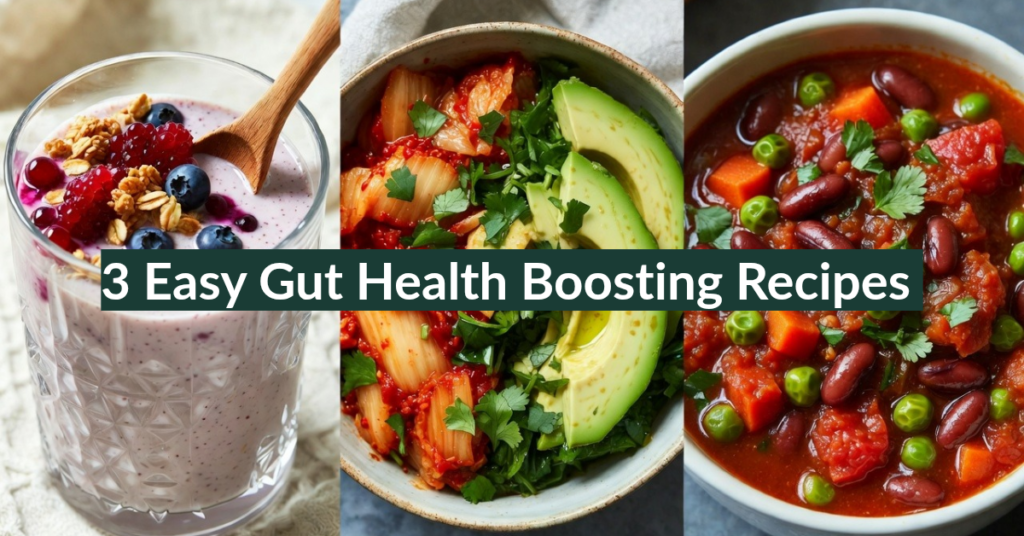
To make these boost gut health naturally tips actionable, here are three easy recipes packed with gut-friendly ingredients.
Kefir Berry Smoothie
This refreshing smoothie combines probiotics from kefir with fiber-rich berries.
Ingredients:
- 1 cup plain kefir
- 1/2 cup mixed berries (raspberries, blueberries)
- 1 banana
- 1 tbsp chia seeds
- Handful of spinach
Instructions:
- Blend all ingredients until smooth.
- Serve immediately for a probiotic-packed breakfast.
This recipe supports microbial diversity and provides antioxidants.
Kimchi Avocado Salad
A zesty side dish featuring fermented kimchi for probiotics and avocado for healthy fats.
Ingredients:
- 1 cup kimchi, chopped
- 1 avocado, diced
- 2 cups mixed greens
- 1 cucumber, sliced
- Drizzle of olive oil and lemon juice
Instructions:
- Toss all ingredients in a bowl.
- Dress with oil and lemon.
- Enjoy as a light lunch.
Kimchi’s beneficial bacteria enhance gut barrier function.
Hearty Bean and Veggie Stew
This warming stew is loaded with prebiotic fibers from beans and veggies.
Ingredients:
- 1 can mixed beans, rinsed
- 2 carrots, chopped
- 1 onion, diced
- 2 cups kale
- 4 cups vegetable broth
- Spices: garlic, cumin, turmeric
Instructions:
- Sauté onion and garlic.
- Add veggies, beans, broth, and spices.
- Simmer for 30 minutes.
Perfect for batch cooking, this stew nourishes your microbiome with diverse fibers.
Frequently Asked Questions About Boosting Gut Health Naturally
What are the best ways to boost gut health naturally in 2026?
Focus on fermented foods (like kefir, kimchi, and sauerkraut) for probiotics, high-fiber prebiotic foods (beans, onions, bananas, oats), diverse plant-based meals, hydration, regular exercise, stress management, and quality sleep. These habits support a thriving gut microbiome without supplements.
How do fermented foods help improve gut health naturally?
Fermented foods introduce live beneficial bacteria (probiotics) that enhance microbial diversity, strengthen the gut barrier, reduce inflammation, and aid digestion. Start with small portions of kimchi, kefir, or yogurt daily to avoid initial bloating—studies show consistent intake boosts gut health over weeks.
Why is fiber so important for gut health, and how much should I aim for?
Fiber acts as prebiotic fuel for good bacteria, producing short-chain fatty acids that reduce inflammation and support regularity. Most people fall short; aim for 30–50 grams daily from sources like raspberries, avocados, legumes, and veggies. Increase gradually with plenty of water to prevent discomfort.
Can I boost gut health naturally without taking probiotic supplements?
Yes—whole-food sources like fermented items and fiber-rich plants often outperform supplements by providing a mix of probiotics, prebiotics, and postbiotics. Supplements can help in specific cases, but natural methods (diet variety, hydration, movement) build long-term microbiome resilience.
How long does it take to see improvements in gut health from natural changes?
Many notice better digestion, less bloating, and more energy within 2–4 weeks of adding fermented foods and fiber. Full microbiome shifts (increased diversity) can take 4–10 weeks or longer with consistent habits. Track symptoms like bowel regularity and mood for progress.
What are signs of poor gut health I should watch for in 2026?
Common indicators include persistent bloating, irregular bowel movements (constipation/diarrhea), fatigue, frequent illnesses (weak immunity), skin issues, or mood changes. If symptoms persist, consult a healthcare professional—natural tweaks often help, but rule out underlying issues.
Is it true that all fermented foods are probiotics?
No—not all fermented foods contain live probiotics that survive digestion or meet health-benefit standards. Look for labels saying “live cultures” (e.g., in plain yogurt or raw sauerkraut). Even pasteurized versions offer benefits via postbiotics and metabolites, but live ones pack more punch for gut microbiome support.
How does stress affect gut health, and what natural ways can reduce its impact?
Chronic stress disrupts the gut-brain axis, altering microbiome balance and increasing inflammation. Combat it naturally with mindfulness, yoga, deep breathing, nature walks, or journaling. Pair with good sleep (7–9 hours) for optimal gut repair and resilience.
Are the recipes in this post suitable for beginners boosting gut health?
Yes—the Kefir Berry Smoothie, Kimchi Avocado Salad, and Hearty Bean Veggie Stew use simple, accessible ingredients rich in probiotics and prebiotics. Start small if new to fermented foods, and adjust portions to your tolerance for easy, delicious microbiome support.
What gut health trends should I watch in 2026?
Emphasis on plant diversity (30+ types weekly), home-fermented foods, fiber boosters (chia/flax mixes), and holistic habits like mindful eating and outdoor exercise. Personalized microbiome insights via apps/tests are rising, but whole-food natural approaches remain the foundation for sustainable gut health.
Conclusion: Embrace Natural Ways to Boost Gut Health in 2026
Boosting gut health naturally in 2026 is about consistency and enjoyment. By focusing on fermented foods, fiber, hydration, exercise, stress management, and sleep, you can transform your microbiome for better health. Incorporate these trends and recipes into your routine, and consult a professional for personalized advice. Start small—your gut will thank you with improved vitality and resilience.
For a deeper look at restoring digestive balance, read our How to Heal Your Gut Naturally (Step-by-Step Guide) to learn practical steps that support long-term gut health and a balanced microbiome.
What’s your first step to boosting gut health naturally in 2026?