
Symptoms of high cortisol in women are becoming increasingly common in today’s high-stress world. If you’ve been feeling wired but exhausted, gaining stubborn belly weight, struggling with anxiety, or dealing with poor sleep, your stress hormone levels may be playing a role.
Cortisol is essential for survival — but when it remains elevated for too long, it can disrupt hormones, metabolism, mood, and overall well-being.
Women are especially vulnerable to cortisol imbalance because of hormonal cycles, emotional stress load, and life-stage transitions like perimenopause.
These symptoms of high cortisol levels in females can sometimes be subtle at first, but they often worsen if chronic stress continues.
Let’s break down the warning symptoms of high cortisol in women so you can recognize the signs early and support your body naturally.
In This Article
Medical Disclaimer: This article is for informational purposes only and should not be considered medical advice. Always consult a licensed healthcare provider before trying new health practices or products.
Affiliate Disclosure: This article may contain affiliate links. As an Amazon Associate, I may earn earn from qualifying purchases at no additional cost to you.
What Is Cortisol and Why Does It Matter?
According to the Cleveland Clinic, cortisol plays a critical role in regulating metabolism, inflammation, and the body’s stress response.
Cortisol, often called the “stress hormone,” is produced by the adrenal glands. When these glands are overworked due to chronic stress, cortisol levels may remain elevated and influence weight gain, particularly around the abdomen. Read more about how the adrenal glands affect hormones and stress response.
Cortisol helps regulate:
- Blood sugar
- Blood pressure
- Metabolism
- Inflammation
- Sleep-wake cycles
- Stress response
In short bursts, cortisol is protective. But chronically high cortisol levels can shift your body into long-term survival mode — and that’s when symptoms begin to appear.
Why High Cortisol Affects Women Differently
High cortisol levels in women often develop gradually due to chronic stress, sleep disruption, or hormonal changes.
Women’s bodies are deeply interconnected hormonally. Cortisol interacts with:
- Estrogen
- Progesterone
- Thyroid hormones
- Insulin
Chronic stress can suppress progesterone, contribute to estrogen dominance, and interfere with thyroid function. This is why symptoms of high cortisol levels in females often feel widespread and confusing.
Add in:
- Caregiving responsibilities
- Career stress
- Sleep deprivation
- Perimenopause
And cortisol imbalance becomes even more likely.
15 Warning Symptoms of High Cortisol in Women
Physical Symptoms of High Cortisol
1. Weight Gain Around the Abdomen
One of the most common signs of high cortisol is stubborn belly fat. Cortisol encourages fat storage around the midsection.
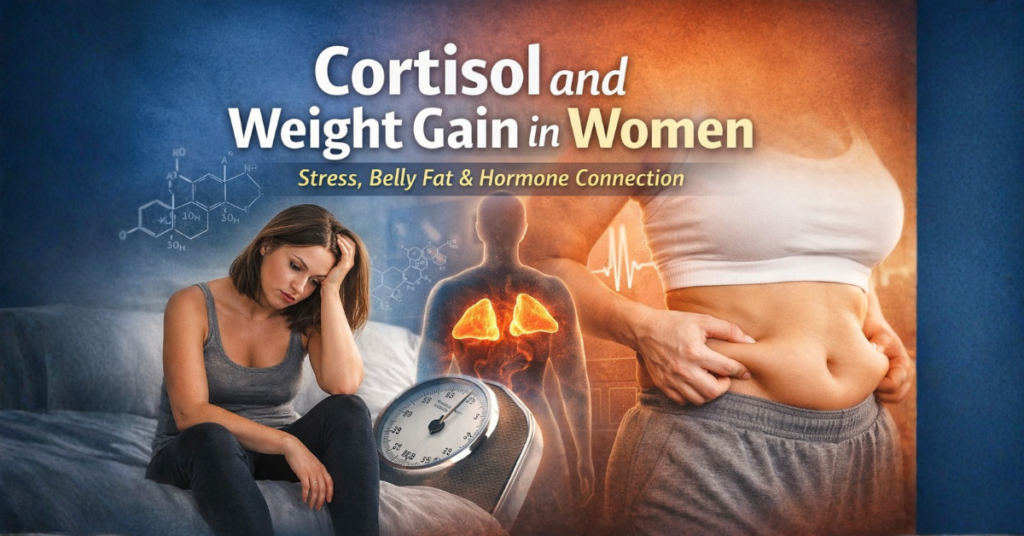
Cortisol can also contribute to stubborn abdominal fat. Learn more in our guide on Cortisol and Weight Gain in Women.
2. Puffy or Rounded Face
Often referred to as “moon face,” fluid retention and fat redistribution can occur with elevated cortisol.
3. Acne or Skin Breakouts
Cortisol increases oil production and inflammation, triggering breakouts.
4. Hair Thinning or Hair Loss
Chronic stress can push hair follicles into a shedding phase.
5. Constant Fatigue (But Feeling Wired)
You feel exhausted — yet your body won’t relax.
6. Frequent Headaches
Stress tension and blood pressure changes can trigger headaches.
Many people don’t realize that ongoing environmental stressors — including mold, bacteria, and poor indoor air quality — can keep the nervous system in a chronic stress response. Creating a cleaner indoor environment may support regulation. This whole-room UV sanitizer is one tool some use to reduce microbial exposure at home.
Emotional & Cognitive Symptoms
7. Anxiety or Panic-Like Feelings
High cortisol keeps your nervous system on high alert.
8. Irritability and Mood Swings
Even small things may feel overwhelming.
9. Brain Fog
Difficulty concentrating is a common cortisol imbalance symptom.
10. Insomnia or Light Sleep
Cortisol should drop at night — if it doesn’t, sleep suffers.
Hormonal & Metabolic Symptoms
11. Irregular Periods
High cortisol can disrupt ovulation and progesterone production.
12. Low Libido
Chronic stress shifts energy away from reproductive hormones.
13. Sugar Cravings
Cortisol raises blood sugar — then causes crashes.
14. Elevated Blood Pressure
Prolonged stress can increase cardiovascular strain.
15. Digestive Issues
Bloating, IBS symptoms, or appetite changes can occur.
How to Check Cortisol Levels
If you’re wondering how to check cortisol levels in women, there are several common testing options available that may help confirm imbalance.
Common ways to check cortisol levels include:
- Blood tests
- Saliva tests (often multiple times per day)
- 24-hour urine testing
Saliva testing can sometimes provide a more detailed picture of your daily cortisol rhythm.
If symptoms are severe, persistent, or worsening, consult a healthcare provider for proper evaluation.
Treatment for High Cortisol Levels in Females
Chronic stress can place a heavy burden on the body’s hormone system. To better understand how this works, read our guide on Adrenal Glands and Hormone Balance, where we break down the role these glands play in stress and overall health.
Medical treatment for high cortisol in females depends on the cause. In rare cases, high cortisol may be linked to conditions like Cushing’s syndrome. However, most cases today are stress-related.
For chronic stress-induced cortisol imbalance, supportive strategies may include:
- Stress reduction techniques
- Sleep regulation
- Blood sugar stabilization
- Gentle movement
- Nervous system support
If you’re looking for natural ways to lower high cortisol and support stress recovery, read our complete guide here:
How to Lower High Cortisol Naturally: Causes, Symptoms & Proven Stress Support Strategies
Can High Cortisol Be Reversed Naturally?
In many stress-related cases, yes.
The body is incredibly resilient. When you consistently support your nervous system, improve sleep, and reduce chronic stress triggers, cortisol patterns often improve over time.
Healing is rarely instant — but it is possible.
Frequently Asked Questions
What are the first signs of high cortisol in women?
Early signs often include anxiety, poor sleep, belly weight gain, and fatigue combined with feeling wired.
Can high cortisol cause weight gain?
Yes. Cortisol encourages fat storage, particularly in the abdominal area.
How long does it take to lower cortisol levels?
It varies depending on lifestyle, stress load, and underlying health conditions. Many women notice improvements within weeks of consistent stress-support habits.
Is high cortisol dangerous?
Chronically elevated cortisol may increase the risk of metabolic issues, high blood pressure, and hormonal imbalance if left unaddressed.
Should I test my cortisol levels?
If symptoms are persistent, testing can provide clarity and help guide appropriate support strategies.
Final Thoughts
If you recognize several of these warning symptoms of high cortisol in women, you are not alone.
Modern life places enormous demands on women’s nervous systems. But awareness is the first step toward change.
Your body isn’t failing you.
It’s signaling that it needs support.
By identifying cortisol imbalance early, you can begin restoring balance naturally — and feel like yourself again.