In today’s wellness-driven world, supplements are everywhere. But here’s the uncomfortable truth: not all vitamins are created equal. Many of the supplements lining store shelves are synthetic—lab-made versions that may not behave the same way as nutrients found in real food.
If you’re working toward a more natural, toxin-reduced lifestyle, understanding the difference between synthetic and whole-food nutrients can be a powerful step forward.
Understanding the differences between synthetic vitamins and natural vitamins is essential if you want to optimize nutrient absorption, reduce toxin exposure, and support long-term health. While synthetic supplements may appear identical on the label, their chemical structure, absorption rate, and biological activity can differ significantly from nutrients found in whole foods.
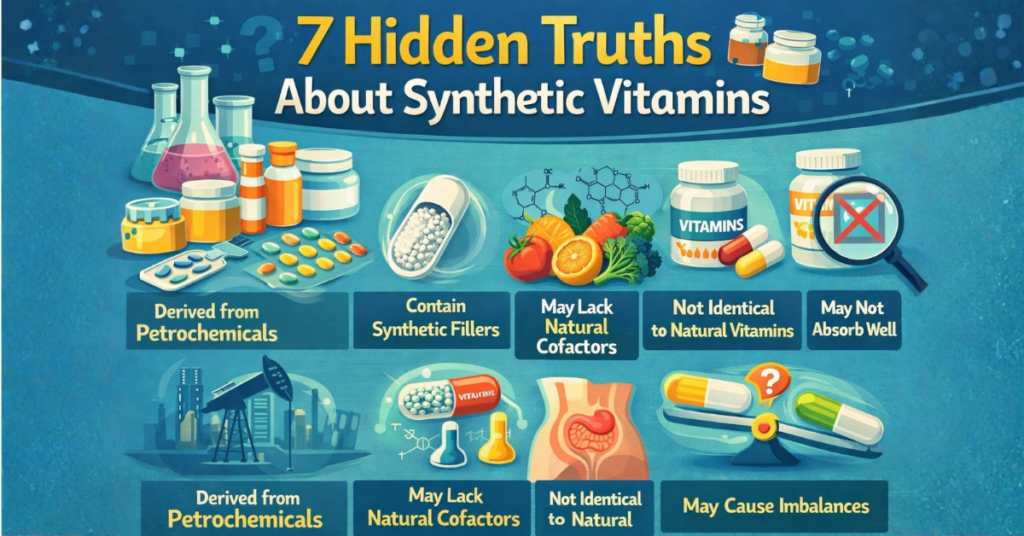
in this guide, you will learn 7 hidden truths about synthetic vitamins vs. natural vitamins.
Table of Contents
Medical Disclaimer: This article is for informational purposes only and should not be considered medical advice. Always consult a licensed healthcare provider before trying new health practices or products.
Affiliate Disclosure: This article may contain affiliate links. As an Amazon Associate, I may earn earn from qualifying purchases at no additional cost to you.
What Are Synthetic Vitamins & Minerals?
Synthetic vitamins are man-made nutrients produced in laboratories to mimic the structure of naturally occurring vitamins found in food.
They are often:
- Isolated compounds (not whole nutrient complexes)
- Derived from petroleum or industrial chemicals
- Stabilized with additives, preservatives, and fillers
Example:
Vitamin C in nature comes packaged with enzymes, bioflavonoids, and co-factors. Synthetic vitamin C (ascorbic acid) is just one isolated component.
Many people assume that synthetic vitamins are identical to those found in food, but that’s not entirely accurate. Synthetic nutrients are often isolated and lack the complex nutrient matrix found in whole foods. This can affect how your body recognizes, absorbs, and utilizes these nutrients. Over time, relying heavily on synthetic supplements may impact nutrient balance and overall wellness.
Whole-Food Natural Vitamins Explained
Natural vitamins come from:
- Fruits and vegetables
- Herbs and plant extracts
- Animal-based foods (for certain nutrients like B12)
These nutrients exist in complete biological systems, meaning your body recognizes and uses them more efficiently.
Whole-food vitamins are often considered superior because they contain naturally occurring cofactors that enhance absorption and utilization. This is one reason why diets rich in fruits, vegetables, and whole foods are consistently linked to better health outcomes. When nutrients are consumed in their natural form, your body can process them more efficiently without the need for excessive conversion.
Synthetic Vitamins vs Natural Vitamins: Key Differences
1. Absorption & Bioavailability
Your body doesn’t just absorb nutrients—it must recognize and convert them.
- Synthetic nutrients may be poorly absorbed or require extra conversion steps
- Natural nutrients often come “pre-packaged” with cofactors that enhance absorption
This is why whole foods are consistently associated with better health outcomes.
2. Chemical Structure Matters
Even small molecular differences can impact how your body uses a vitamin.
Example:
- Synthetic Vitamin E = dl-alpha-tocopherol
- Natural Vitamin E = d-alpha-tocopherol + mixed tocopherols
The synthetic version may only provide partial biological activity.
3. Missing Cofactors
Whole foods contain:
- Enzymes
- Trace minerals
- Flavonoids
- Synergistic compounds
Synthetic vitamins typically lack these, reducing effectiveness.
The absence of cofactors is one of the most overlooked differences between synthetic vitamins and natural vitamins. Cofactors such as enzymes, phytonutrients, and trace minerals play a critical role in activating and transporting nutrients within the body. Without these supporting compounds, synthetic vitamins may not deliver the same level of benefit as their natural counterparts.
4. Fillers, Additives & Hidden Ingredients
Many synthetic supplements contain:
- Magnesium stearate (flow agent)
- Silicon dioxide (anti-caking agent)
- Artificial colors
- Titanium dioxide (whitening agent)
- Hydrogenated oils
- Soy oil
Soy (often used as a filler or in capsules), which may trigger sensitivities, digestive discomfort, or hormone-related concerns in some individuals due to its phytoestrogen content and potential for allergen exposure.
These are added for manufacturing—not health.
In addition to nutritional differences, many synthetic supplements contain unnecessary additives that serve manufacturing purposes rather than health benefits. Over time, consistent exposure to these substances may contribute to toxin buildup in the body. Choosing cleaner, third-party tested supplements can help minimize exposure to unwanted ingredients.
5. The “One-Nutrient” Illusion
Synthetic vitamins often isolate a single nutrient, but your body rarely uses nutrients in isolation.
- Nutrients in food work together in complex biological systems
- Isolated nutrients can’t replicate this synergy
- Over-reliance on single nutrients may create imbalances
Whole foods provide a full spectrum of compounds that support optimal function—not just one isolated vitamin.
6. Synthetic Vitamins May Compete with Natural Ones
Some synthetic forms of vitamins can interfere with how your body uses natural nutrients.
- Certain synthetic vitamins may compete for the same absorption pathways
- High doses of synthetic forms can disrupt nutrient balance
- This may reduce the effectiveness of other essential nutrients
This is one reason why “more” isn’t always better when it comes to supplementation.
7. Liver Stress & Detox Load
Your liver must process and filter synthetic compounds.
- Synthetic vitamins often require additional detoxification steps
- Excess or poorly absorbed nutrients can place extra strain on the liver
- Some additives and fillers may also contribute to this burden
Natural nutrients from whole foods are typically easier for your body to recognize and process efficiently.
Your liver plays a central role in processing synthetic vitamins and filtering out unwanted compounds. When you consume large amounts of synthetic nutrients—especially those with additives or poorly absorbed forms—your liver may need to work harder to metabolize and eliminate them. Supporting liver health through whole foods, hydration, and clean supplementation can help reduce this burden and promote optimal detoxification.
If you’re already trying to reduce toxin exposure, this directly connects to a Clean Living Lifestyle: Reducing Everyday Toxins & Restoring Natural Health approach.
Synthetic Vitamins vs. Natural Vitamins Comparison
| Nutrient | Common Synthetic Name | Natural Form | Food Sources |
|---|---|---|---|
| Vitamin A | Retinyl palmitate | Beta-carotene | Carrots, sweet potatoes, spinach |
| Vitamin C | Ascorbic acid | Whole vitamin C complex | Citrus, acerola cherry, bell peppers |
| Vitamin E | dl-alpha-tocopherol | d-alpha tocopherol + mixed | Nuts, seeds, avocado |
| Vitamin B6 | Pyridoxine HCl | Pyridoxal-5-phosphate (P5P) | Bananas, chickpeas |
| Folate (B9) | Folic acid | Methylfolate | Leafy greens, lentils |
| Vitamin B12 | Cyanocobalamin | Methylcobalamin | Eggs, meat, dairy |
| Magnesium | Magnesium oxide | Magnesium glycinate/citrate | Dark chocolate, leafy greens |
| Calcium | Calcium carbonate | Food-based calcium | Dairy, sardines, kale |
| Iron | Ferrous sulfate | Heme iron | Red meat, spinach |
Synthetic Vitamins vs Natural Vitamins Ingredients Comparison
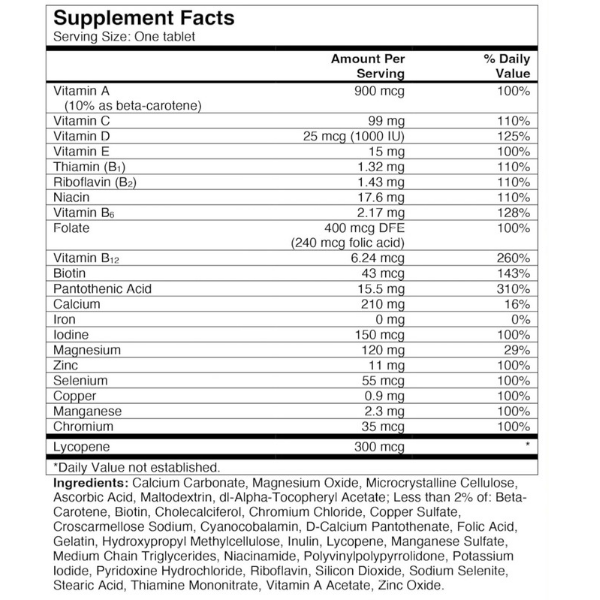
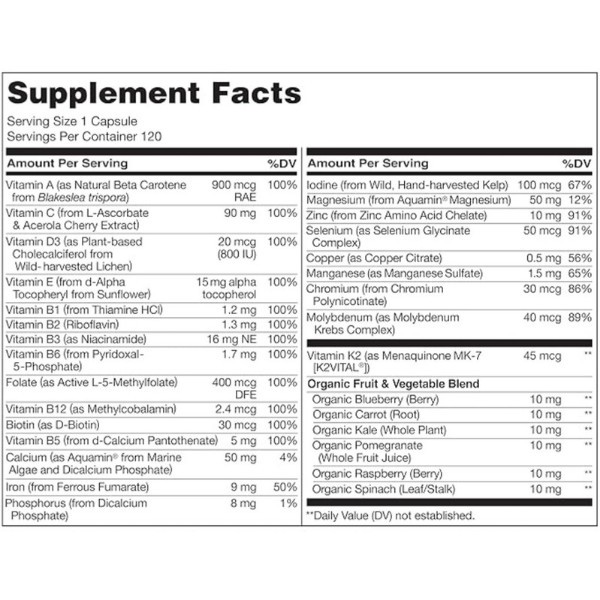
This side-by-side comparison of synthetic vitamins vs natural vitamins labels highlights the key differences in ingredient quality, showing how synthetic supplements often contain isolated nutrients and additives, while natural formulas typically include bioavailable, whole-food-based compounds.
Why Synthetic Vitamins May Not Work the Same as Natural Vitamins
Reduced Effectiveness
Because they’re isolated, synthetic nutrients may:
- Compete with natural nutrients
- Fail to activate properly in the body
Potential Buildup
Some synthetic forms can accumulate if not properly metabolized.
Digestive Discomfort
Forms like magnesium oxide are known to:
- Cause bloating
- Act as laxatives rather than nourish cells
Synthetic Vitamins Side Effects
Synthetic vitamins side effects can vary depending on the form, dosage, and individual tolerance. Because many synthetic nutrients are isolated or lab-made, they may not always be recognized efficiently by the body, leading to reduced absorption or unwanted reactions.
Some people experience digestive issues such as bloating, nausea, or diarrhea, while others may notice headaches or a feeling of imbalance when taking certain high-dose supplements. In some cases, excessive intake of synthetic vitamins can place additional stress on the liver and kidneys, as the body works to process and eliminate compounds it does not fully utilize.
This is why choosing high-quality, bioavailable forms and focusing on whole-food sources whenever possible is often recommended for optimal health.
While supplements can play a supportive role, they should never replace a nutrient-dense diet. Whole food nutrition provides a complex balance of vitamins, minerals, and phytonutrients that synthetic vitamins cannot fully replicate. This makes diet the foundation of any effective health strategy.
Whole Food Nutrition vs Supplements
Before relying heavily on supplements, focus on diet first.
Incorporating anti-inflammatory, nutrient-dense foods supports better absorption naturally. (See: Anti-Inflammatory Foods That Support Gut Health)
When Supplements Can Still Be Helpful
To stay medically responsible and balanced:
Supplements can be useful for:
- Documented deficiencies
- Restricted diets (vegan, etc.)
- Certain health conditions
But quality matters:
- Look for methylated forms
- Choose third-party tested brands
- Avoid unnecessary fillers
Are Synthetic Vitamins Bad?
Not necessarily.
Some are:
- More stable
- More affordable
- Useful in clinical settings
However, for everyday wellness, many experts recommend prioritizing:
Food-first nutrition + high-quality, bioavailable supplements when needed
How This Fits Into a Natural Health Lifestyle
If you’re building a holistic routine, this topic connects closely with:
- DIY Natural Medicine Cabinet: 12 Essential Remedies Every Home Should Have
- Natural Alternatives to Pharmaceuticals: Evidence-Based Wellness Options
- Healthy Lifestyle Tips: Simple Daily Habits for Long-Term Health and Wellness
Each supports the same core principle:
Work with your body—not against it
Ultimately, choosing between synthetic vitamins vs natural vitamins comes down to quality, bioavailability, and how well your body can utilize the nutrients.
While synthetic supplements may be useful in certain situations, whole-food-based nutrition remains the most effective and sustainable way to nourish your body. Prioritizing natural sources can help you align with a cleaner, more holistic approach to health.
If you must take vitamins for a vitamin deficiency, check out this post on How to Choose High Quality Supplements.
FAQ: Synthetic Vitamins vs Natural Vitamins
Are synthetic vitamins bad?
Not always, but some may be less effective or contain unwanted additives. Quality and form matter.
What is the most important vitamin to avoid in synthetic form?
Folic acid is commonly discussed—many people benefit more from methylfolate, especially those with genetic variations affecting metabolism.
Are there synthetic vitamins side effects?
Yes, especially in high doses. Some may cause digestive upset or build up in the body.
How can I tell if a supplement is high quality?
Look for:
Third-party testing
Active forms (e.g., methylcobalamin)
Minimal fillers
Is food always better than supplements?
For most people, yes. Whole foods provide complete nutrient systems that supplements can’t fully replicate.
Do natural supplements cost more?
Often yes—but they may provide better absorption and effectiveness, making them more valuable long term.
Conclusion: Choose What Your Body Recognizes
Your body evolved to process real food—not isolated lab compounds.
While synthetic vitamins may fill gaps, they often lack the complexity your body depends on for true nourishment.
The smarter approach?
- Focus on whole foods
- Supplement intentionally
- Reduce unnecessary chemical exposure
Small changes—like choosing natural forms of nutrients—can create meaningful shifts in your long-term health.