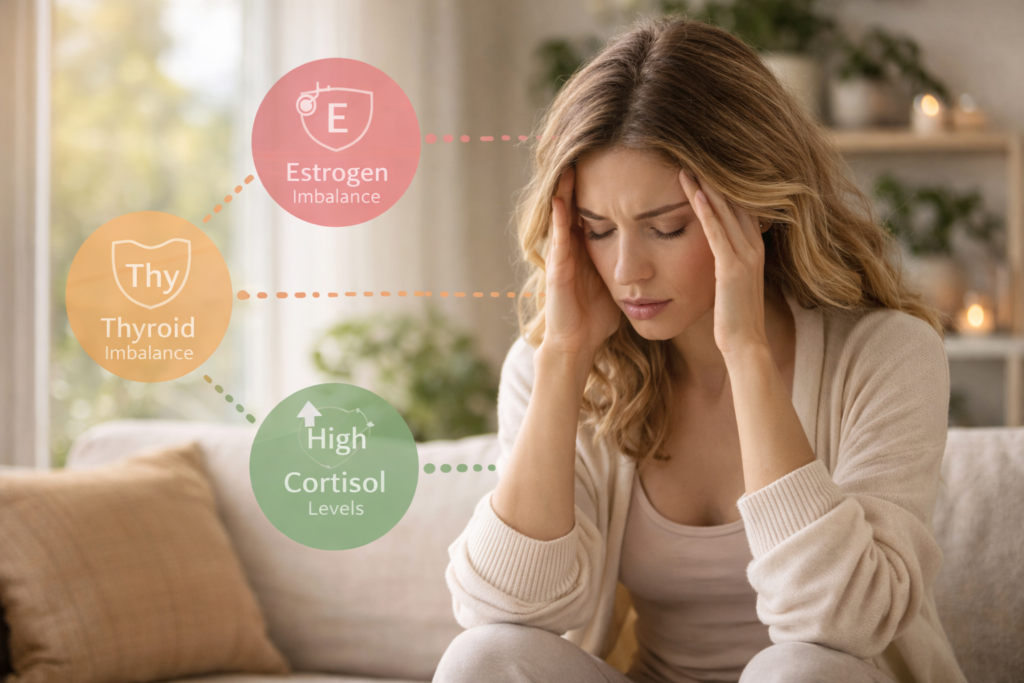
Introduction: When Your Body Is Working Against You — And Nobody Has Real Answers
You’ve been told you have PCOS — now officially renamed PMOS (Polyendocrine Metabolic Ovarian Syndrome). Maybe it came after years of irregular periods, unexplained weight gain, stubborn acne along your jawline, or hair growing where it shouldn’t. Maybe it came after struggling to conceive. Maybe it came from an ultrasound and a doctor who handed you a birth control prescription and called it managed.
But here’s what most women with PCOS/PMOS are never told: birth control doesn’t treat PCOS or PMOS. It suppresses symptoms while the underlying hormonal and metabolic dysfunction continues unchecked. The moment you stop taking it, everything returns — often worse than before.
One of the most common hormonal consequences of untreated PMOS is estrogen dominance — and understanding how these two conditions overlap is essential for any woman pursuing natural solutions for estrogen dominance alongside her PMOS protocol.
The PMOS symptoms in women most commonly dismissed as stress or lifestyle issues are driven by precise biological mechanisms — insulin resistance, chronic inflammation, androgen excess, and gut dysbiosis — that no contraceptive pill addresses. Understanding these mechanisms is the first step toward genuine recovery.
PMOS natural treatment begins where conventional medicine ends. The natural remedies for PMOS covered in this guide are not alternative medicine — they are evidence-based interventions with peer-reviewed clinical trial support. And the connection between PMOS and insulin resistance is so fundamental that addressing it is the single most important intervention for the majority of women with the condition.
Polyendocrine Metabolic Ovarian Syndrome — formerly known as Polycystic Ovary Syndrome (PCOS) — affects 1 in 10 women of reproductive age, making it the most common endocrine disorder in women worldwide. Yet it remains one of the most mismanaged conditions in conventional medicine.
This PCOS natural treatment guide takes a different approach — exploring how to treat PMOS naturally by addressing the genuine root causes through diet, targeted supplementation, herbal medicine, and lifestyle strategies that produce results medication alone consistently fails to achieve.
In This Article
Medical Disclaimer: This article is for informational purposes only and should not be considered medical advice. Always consult a licensed healthcare provider before trying new health practices or products.
Affiliate Disclosure: This article may contain affiliate links. As an Amazon Associate, I may earn from qualifying purchases at no additional cost to you.
What Is PMOS/PCOS? Understanding the Real Biology
Understanding the connection between PCOS and insulin resistance transforms how you approach every aspect of treatment — from diet and exercise to supplementation and stress management.
Before we go further — if you’ve recently heard that PCOS has a new name, you heard correctly. As of May 12, 2026, a global coalition of 56 medical and patient organizations officially renamed Polycystic Ovary Syndrome to Polyendocrine Metabolic Ovarian Syndrome — PMOS — published in The Lancet. The new name reflects exactly what this guide has always argued: this is not an ovarian condition. It is a whole-body hormonal and metabolic disorder. Holistic and integrative practitioners have understood this for decades. Mainstream medicine has finally caught up. Throughout this guide you’ll still see PCOS used interchangeably, as both names will be in circulation during the three-year transition — but know that PMOS is now the medically accurate term.
Polycystic Ovary Syndrome (PCOS) is a complex endocrine and metabolic disorder characterized by a combination of:
- Hormonal imbalance — particularly elevated androgens (testosterone and DHEA)
- Ovulatory dysfunction — irregular or absent ovulation
- Polycystic ovarian morphology — multiple small follicles on the ovaries visible on ultrasound
Despite its name, you don’t need to have polycystic ovaries to have PCOS — and having polycystic ovaries on ultrasound doesn’t automatically mean you have PCOS. The diagnosis is clinical, based on the Rotterdam Criteria, which requires at least two of three features:
- Irregular or absent periods (oligo/anovulation)
- Clinical or biochemical signs of elevated androgens (excess hair growth, acne, elevated testosterone)
- Polycystic ovarian morphology on ultrasound
The Four PCOS Phenotypes
The four PCOS phenotypes produce slightly different PCOS symptoms in women — which is why personalized assessment matters more than a generic treatment protocol.
PCOS is not one-size-fits-all — research has identified at least four distinct phenotypes:
| Phenotype | Features |
|---|---|
| Classic (A) | High androgens + anovulation + polycystic ovaries |
| Classic (B) | High androgens + anovulation (no polycystic ovaries) |
| Ovulatory (C) | High androgens + polycystic ovaries (with ovulation) |
| Non-androgenic (D) | Anovulation + polycystic ovaries (normal androgens) |
Understanding your phenotype matters for PCOS natural treatment — because the primary drivers differ between phenotypes, and the most effective interventions vary accordingly.
What PCOS Is NOT
PCOS is not primarily a reproductive condition. It is a systemic metabolic and endocrine disorder that affects:
- Insulin signaling and blood sugar regulation
- Inflammatory pathways
- Adrenal function
- Thyroid health
- Gut microbiome
- Cardiovascular risk
- Mental health and neurological function
Treating it only as a “period problem” or a fertility issue completely misses its metabolic and systemic nature — and explains why conventional treatment so consistently falls short.
PCOS has deep connections to hormonal imbalance across multiple systems. Read our guides on Hormone Imbalance in Women: Symptoms, Causes and Support and Estrogen Dominance: 12 Symptoms, Root Causes & Natural Solutions for important context.
PCOS Symptoms in Women: Recognizing the Full Picture
PCOS symptoms in women are diverse and affect multiple body systems simultaneously. This is why PCOS is so frequently misdiagnosed or dismissed — individual symptoms appear unrelated until you understand the underlying hormonal and metabolic disruption connecting them all.
Reproductive and Menstrual Symptoms
- Irregular periods — cycles longer than 35 days, fewer than 8 cycles per year, or complete absence of menstruation
- Heavy or painful periods when menstruation does occur. Heavy periods in PCOS are frequently driven by the estrogen dominance that accompanies anovulation — when ovulation doesn’t occur, progesterone isn’t produced, leaving estrogen unopposed. Read our guide on estrogen dominance symptoms and causes for a complete explanation of this mechanism.
- Difficulty conceiving — anovulation is the primary cause of PCOS-related infertility
- Recurrent early miscarriage — linked to both elevated androgens and insulin resistance
Recurrent miscarriage in PCOS is closely linked to the low progesterone that results from anovulation — without ovulation, no corpus luteum forms and progesterone production is severely impaired. Our guide on low progesterone symptoms and natural remedies explores this connection in depth.
Androgenic Symptoms
- Hirsutism — excess hair growth on the face, chest, abdomen, or back
- Acne — particularly along the jawline, chin, and neck — hormonally driven
- Androgenic alopecia — thinning hair at the crown or temples
- Oily skin — driven by elevated testosterone stimulating sebaceous glands
These androgenic PCOS symptoms in women — acne, hirsutism, and hair thinning — are among the most distressing and are directly driven by elevated testosterone and DHT.
Metabolic Symptoms
- Unexplained weight gain — particularly abdominal fat even with a healthy diet
- Difficulty losing weight despite caloric restriction and exercise
- Sugar cravings and energy crashes — driven by insulin resistance and blood sugar instability
- Skin tags — associated with insulin resistance
- Acanthosis nigricans — dark, velvety skin patches at the neck, armpits, or groin — a sign of significant insulin resistance.
The metabolic PCOS symptoms in women are frequently the most difficult to address because they create self-perpetuating cycles — insulin resistance promotes fat storage, which worsens insulin resistance further.
Neurological and Emotional Symptoms
- Anxiety and depression — women with PCOS have 3x the risk of anxiety and depression compared to the general population
- Brain fog and difficulty concentrating
- Fatigue — particularly after meals
- Sleep disturbances — PCOS is associated with higher rates of sleep apnea and insomnia
Many PCOS symptoms overlap with low progesterone. Read our guide on Low Progesterone: 10 Warning Signs & Proven Natural Ways to Boost It to understand this important connection.
Whether your symptoms point to hormone imbalance, thyroid dysfunction, or adrenal fatigue, our free Natural Symptom Checker can help you identify possible root causes and natural remedies in minutes.
Root Causes of PCOS: Why Does It Really Happen?
Understanding the root causes of PCOS is the foundation of effective PCOS natural treatment. Here are the primary drivers:
1. Insulin Resistance — The Central Driver
PCOS and insulin resistance are so deeply connected that many researchers consider insulin resistance the primary underlying mechanism driving PCOS in the majority of cases — estimated at 70-80% of women with PCOS.
The PCOS and insulin resistance relationship is bidirectional — insulin drives androgen production, and excess androgens worsen insulin sensitivity, creating a cycle that perpetuates every PCOS symptom.
Here’s the cascade:
- Cells become resistant to insulin — requiring the pancreas to produce more to move glucose into cells
- Elevated insulin directly stimulates the ovaries to produce excess androgens (testosterone)
- High insulin also reduces sex hormone-binding globulin (SHBG) — meaning more free testosterone circulates in the blood
- Elevated androgens disrupt follicle development — preventing normal ovulation
- Failed ovulation means no progesterone production — creating estrogen dominance. This anovulation-driven progesterone deficiency is one of the most important hormonal consequences of PCOS — and addressing it directly is a key part of any complete PCOS natural treatment protocol.
- The resulting hormonal chaos drives the full symptom picture of PCOS
This cascade also creates significant estrogen dominance — as anovulation prevents progesterone production, leaving estrogen unopposed. Our guide on estrogen dominance treatment explains this hormonal consequence in detail.
This is why PCOS and insulin resistance must be addressed simultaneously — and why treatments that focus only on hormones without addressing insulin sensitivity consistently underperform.
2. Chronic Inflammation
Chronic low-grade inflammation is both a driver and a consequence of PCOS — creating a self-perpetuating cycle. Inflammatory signals:
- Directly stimulate androgen production in the ovaries
- Worsen insulin resistance
- Impair follicle development and ovulation
- Disrupt the HPA axis and adrenal function
Women with PCOS consistently show elevated inflammatory markers including CRP, IL-6, and TNF-alpha — independent of body weight.
Read our guide on Inflammation: Causes, Symptoms & 6 Natural Ways to Reduce It and [Anti-Inflammatory Foods That Support Gut Health] for comprehensive inflammation support.
3. HPA Axis Dysfunction and Adrenal Androgens
In some women with PCOS — particularly the lean phenotype — the primary source of excess androgens is not the ovaries but the adrenal glands. Chronic stress activates the HPA axis, driving adrenal androgen production (particularly DHEA-S) that contributes directly to PCOS symptoms including acne, hair loss, and irregular cycles.
Cortisol also worsens insulin resistance — creating a stress-PCOS-insulin resistance feedback loop that perpetuates the condition.
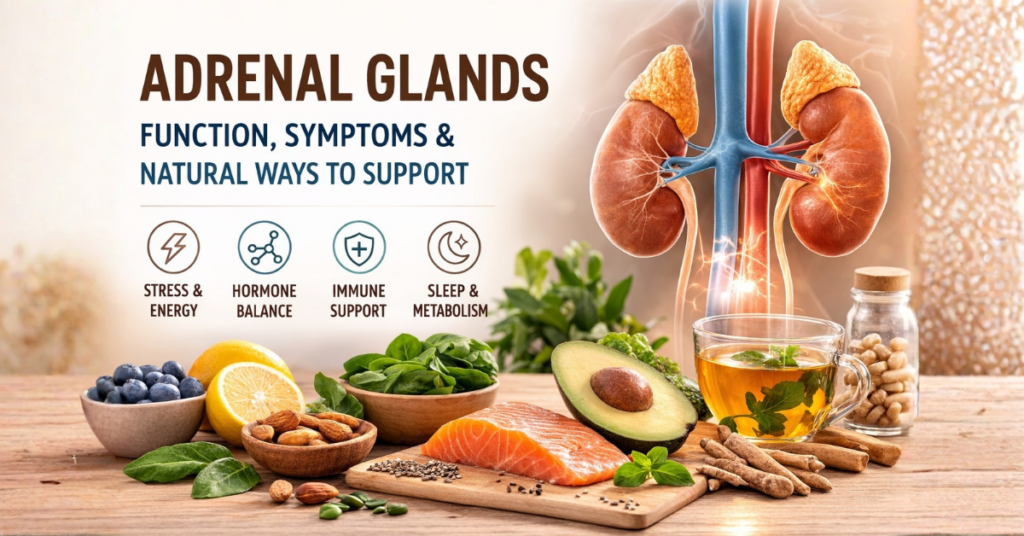
Read our guides on Adrenal Glands: Function, Symptoms & Natural Ways to Support Adrenal Glands and How to Lower High Cortisol Naturally for HPA axis support strategies.
4. Gut Dysbiosis
Emerging research is revealing the gut microbiome as a significant player in PCOS pathology. Women with PCOS consistently show altered gut microbiome composition compared to healthy controls — with:
- Reduced microbial diversity
- Lower levels of beneficial bacteria
- Higher levels of inflammatory bacteria
- Impaired short-chain fatty acid production (which supports insulin sensitivity)
- Increased intestinal permeability (leaky gut) driving systemic inflammation
The gut-PCOS connection is bidirectional — gut dysbiosis worsens PCOS, and PCOS-related hormonal and metabolic changes worsen gut health.
Read our guides on How to Heal Your Gut Naturally (Step-by-Step Guide), Leaky Gut Syndrome: Natural Treatment Options, and Probiotics for Gut Health: The Ultimate Guide to Gut Microbiome Balance.
5. Thyroid Dysfunction
Thyroid disorders — particularly Hashimoto’s thyroiditis and hypothyroidism — are significantly more common in women with PCOS than in the general population. Thyroid dysfunction worsens insulin resistance, disrupts ovulation, elevates prolactin (which suppresses ovarian function), and amplifies every aspect of PCOS pathology.
Every woman with PCOS should have a comprehensive thyroid panel — not just TSH, but free T3, free T4, reverse T3, and thyroid antibodies.
Read our guides on Low Thyroid Hormones: Understanding and Supporting Thyroid Health and Natural Hormone Balance & Thyroid Health: A Holistic Guide.
6. Xenoestrogen and Endocrine Disruptor Exposure
Environmental chemicals that disrupt endocrine function — particularly BPA, phthalates, and organochlorine pesticides — are increasingly linked to PCOS development and severity. These chemicals:
- Disrupt insulin signaling
- Interfere with ovarian function
- Alter androgen metabolism
- Contribute to the epigenetic changes associated with PCOS
Understanding these root causes is the foundation of knowing how to treat PCOS naturally — because every effective natural intervention targets one or more of these drivers directly.
Each of these root causes has specific natural remedies for PCOS that target it directly — which is why a comprehensive protocol consistently outperforms treating individual symptoms in isolation.
Read our Clean Living Lifestyle: Reducing Everyday Toxins & Restoring Natural Health guide for practical endocrine disruptor reduction strategies.
PCOS Natural Treatment: The Complete Holistic Protocol
Effective holistic treatment for PCOS requires addressing all root causes simultaneously — insulin resistance, inflammation, HPA axis dysfunction, gut health, nutritional deficiencies, and environmental toxin exposure. Here is the most comprehensive evidence-based natural protocol available:
Pillar 1: The PCOS Diet — PCOS Natural Treatment Through Diet
The foundation of any effective PCOS natural treatment protocol is diet — because no supplement, herb, or medication can outperform a dietary pattern that continues to spike insulin multiple times daily.
For women researching how to treat PCOS naturally, diet is always the most important starting point — because no supplement can outperform a diet that continues to spike insulin 3-6 times daily.
Diet is the most powerful single intervention for PCOS natural treatment — particularly for addressing the insulin resistance that drives the majority of PCOS cases.
Core dietary principles for PCOS:
Prioritize low-glycemic, anti-inflammatory foods:
- Non-starchy vegetables — the foundation of every meal
- Healthy fats — avocado, olive oil, coconut oil, nuts, seeds, fatty fish
- Quality protein — pasture-raised eggs, wild-caught fish, grass-fed meat, legumes
- Low-glycemic fruits — berries, green apple, citrus in moderation
- Whole grains over refined — quinoa, brown rice, oats in moderate portions
Foods with specific PCOS benefits:
- Cinnamon — research shows cinnamon improves insulin sensitivity and can help regulate menstrual cycles in PCOS
- Spearmint tea — clinical trials demonstrate spearmint tea significantly reduces free testosterone in women with PCOS — 2 cups daily
- Flaxseeds — lignans support SHBG production, binding excess androgens; omega-3s reduce inflammation
- Walnuts — improve insulin sensitivity and SHBG levels
- Cruciferous vegetables — support estrogen metabolism and liver detoxification. Cruciferous vegetables support estrogen metabolism through DIM and indole-3-carbinol — compounds that are equally valuable for the estrogen dominance that accompanies PCOS. Read our guide on how to reduce estrogen dominance naturally for the complete dietary and supplement protocol.
- Pomegranate — shown to reduce testosterone and LH levels in PCOS research
- Turmeric — curcumin reduces insulin resistance and ovarian inflammation
Foods to minimize or eliminate:
- Refined sugar and high-fructose corn syrup — drive insulin spikes directly
- Refined carbohydrates — white bread, pasta, pastries, crackers
- Processed vegetable oils — soybean, canola, corn oil — promote inflammation
- Conventional dairy — may increase IGF-1 and androgens in some women with PCOS
- Alcohol — impairs liver hormone metabolism and worsens insulin resistance
- Processed foods — inflammatory, nutrient-depleted, xenoestrogen-containing
Meal timing and structure:
- Eat protein and fat at every meal — stabilizes blood sugar and reduces insulin spikes
- Consider a lower carbohydrate approach — many women with PCOS see dramatic improvements on 50-100g carbohydrate daily
- Don’t skip breakfast — morning fasting worsens cortisol and insulin patterns in PCOS
- Allow 12-14 hours overnight fast — supports insulin sensitivity without stressing the HPA axis
Pillar 2: Targeted Supplements for PCOS
Targeted supplementation is the second pillar of PCOS natural treatment — and when chosen based on your specific phenotype and root causes, the right supplements can produce dramatic hormonal and metabolic improvements.
Myo-Inositol and D-Chiro Inositol — The Foundation of PCOS Supplementation
Inositol is arguably the most evidence-backed supplement for PCOS natural treatment. Multiple randomized controlled trials have confirmed that myo-inositol — alone or combined with D-chiro inositol — significantly:
- Improves insulin sensitivity
- Restores ovulation and menstrual regularity
- Reduces free testosterone
- Improves egg quality
- Reduces acne and hirsutism
- Supports weight loss
Myo-inositol directly addresses PCOS and insulin resistance at the cellular level — improving insulin receptor signaling and reducing the androgen stimulation that drives most PCOS symptoms.
The optimal ratio studied in clinical trials is 40:1 myo-inositol to D-chiro inositol.
- Dose: 2,000-4,000mg myo-inositol daily (with 50-100mg D-chiro inositol)
- Timeline: 3-6 months for full ovulatory and hormonal effects
Magnesium
Magnesium deficiency is common in PCOS and worsens insulin resistance, cortisol dysregulation, and inflammation — three of PCOS’s primary drivers.
- Dose: 300-400mg magnesium glycinate daily
- Benefits: Improves insulin sensitivity, reduces cortisol, supports sleep and anxiety
Read our complete guide on Magnesium Benefits: The Master Mineral for Sleep, Anxiety, Hormones & More.
Berberine — Nature’s Metformin
Berberine is a plant alkaloid found in goldenseal, barberry, and Oregon grape that has been shown in multiple studies to be as effective as metformin for improving insulin sensitivity in PCOS — without metformin’s gastrointestinal side effects.
For women where PCOS and insulin resistance are the primary drivers, berberine is the most evidence-backed supplement available — with clinical trial data confirming results comparable to metformin.
- Dose: 500mg three times daily with meals
- Benefits: Improves insulin sensitivity, reduces androgens, supports weight loss, improves cholesterol
- Important: Do not combine with metformin without medical supervision
If you’re ready to try it, this highly-rated, third-party tested berberine is a great place to start Check price on Amazon .
N-Acetyl Cysteine (NAC)
NAC is a precursor to glutathione — the body’s master antioxidant — with impressive PCOS research behind it:
- Improves insulin sensitivity comparable to metformin in some studies
- Reduces testosterone levels
- Supports ovulation restoration
- Reduces inflammatory markers
- Dose: 600-1,800mg daily
Zinc
Zinc is one of the most important minerals for natural remedies for PCOS — it reduces 5-alpha reductase activity (the enzyme that converts testosterone to its more potent form DHT), reducing acne and hirsutism while supporting ovulation.
- Dose: 25-30mg zinc picolinate daily
- Benefits: Reduces acne, hirsutism, and supports ovulatory function
Vitamin D3
Vitamin D deficiency is found in up to 85% of women with PCOS. Vitamin D receptors are found on ovarian cells and support insulin signaling, ovarian function, and anti-inflammatory pathways.
- Dose: 2,000-5,000 IU D3 with K2 — test levels and aim for 50-70 ng/mL
- Benefits: Improves insulin sensitivity, supports ovulation, reduces inflammation
Omega-3 Fatty Acids
Fish oil supplementation in PCOS has been shown to reduce triglycerides, improve insulin sensitivity, lower testosterone, and reduce inflammation.
- Dose: 2-4g combined EPA/DHA daily from high-quality fish oil
- Benefits: Anti-inflammatory, insulin sensitizing, androgen-reducing
Chromium
Chromium enhances insulin receptor sensitivity and supports healthy blood sugar regulation — directly addressing the insulin resistance central to PCOS.
- Dose: 200-400mcg chromium picolinate daily
- Benefits: Improves glucose metabolism and insulin sensitivity
Vitex (Chaste Tree Berry)
For women whose PCOS is driven more by anovulation and low progesterone than by insulin resistance — particularly lean PCOS — Vitex supports LH production, ovulation restoration, and progesterone synthesis.
- Dose: 400-500mg standardized extract daily
- Not appropriate for women with elevated LH (common in classic PCOS) — check LH levels before use
Read our guide on Low Progesterone: 10 Warning Signs & Proven Natural Ways to Boost It for more on Vitex and progesterone support.
Pillar 3: Herbal Medicine for PCOS
Herbal medicine has been used for centuries to support hormonal balance, and it remains one of the most accessible and evidence-backed pillars of PCOS natural treatment available today — with several botanicals demonstrating clinical trial evidence for insulin sensitivity, androgen reduction, and cycle regulation.
Spearmint Tea
One of the most accessible and well-studied herbal interventions for PCOS — two cups of spearmint tea daily has been shown in randomized controlled trials to significantly reduce free and total testosterone levels in women with PCOS, improving hirsutism and hormonal balance.
Spearmint tea stands out among natural remedies for PCOS for its simplicity, accessibility, and strong clinical evidence — two cups daily produces measurable reductions in free testosterone within weeks.
Cinnamon
Beyond its dietary use, cinnamon extract has been shown to improve insulin sensitivity and help regulate menstrual cycles in anovulatory women with PCOS. When choosing a cinnamon supplement, opt for Ceylon cinnamon over Cassia — it contains significantly lower levels of coumarin, making it safer for daily use, and is the form most recommended for blood sugar support → NutriFlair Organic Ceylon Cinnamon on Amazon
- Dose: 1-4g cinnamon daily — add to food or take as supplement
Licorice Root
Licorice contains glycyrrhizin which has anti-androgen properties and supports cortisol regulation. Studies show it can reduce serum testosterone in PCOS.
- Important: Use cautiously — avoid in women with high blood pressure and don’t use long-term without practitioner guidance
Saw Palmetto
Blocks 5-alpha reductase — reducing DHT and its effects on acne, hair loss, and hirsutism.
- Dose: 320mg standardized extract daily
White Peony (Paeoniflorin)
Traditional Chinese medicine has used white peony for centuries for menstrual regulation. Modern research shows paeoniflorin reduces testosterone, supports ovarian function, and improves hormonal balance in PCOS — particularly when combined with licorice root.
Chamomile
Research indicates chamomile improves fertility markers and increases ovarian follicle number — and its anti-inflammatory and calming properties support both the inflammatory and stress components of PCOS.
Pillar 4: Exercise — The Right Kind Matters
Movement is non-negotiable in PCOS natural treatment — but the type, intensity, and timing of exercise matters far more than most conventional advice acknowledges.
Understanding how to treat PCOS naturally through exercise means choosing movement that lowers cortisol and improves insulin sensitivity — not simply burning calories.
Exercise is a cornerstone of PCOS natural treatment — but the type, intensity, and timing matter significantly:
Best exercise types for PCOS:
Strength training (3x per week):
- Most effective exercise type for improving insulin sensitivity in PCOS
- Builds muscle mass — which is the body’s primary glucose sink
- Reduces androgen levels
- Supports healthy body composition without elevating cortisol
Walking (daily):
- Even 30 minutes of brisk walking daily significantly improves insulin sensitivity
- Reduces cortisol unlike high-intensity cardio
- Accessible, sustainable, and consistently beneficial for PCOS
Physical Exercise
- Multiple studies show physical exercise reduces testosterone, LH/FSH ratio, cortisol, and anxiety in PCOS
- Particularly valuable for the stress and HPA axis component
- Supports nervous system regulation
What to AVOID or limit:
- Chronic high-intensity cardio — elevates cortisol which worsens insulin resistance and androgen production in PCOS
- Overtraining — suppresses ovulation and worsens HPA axis dysfunction
- Exercising fasted for long periods — stresses the adrenals
Pillar 5: Stress Management and HPA Axis Support
Stress management is not optional in PCOS natural treatment — chronic stress directly worsens every biological driver of the condition, from insulin resistance to adrenal androgen production. Stress management is therefore not optional — it is a primary therapeutic intervention:
- Daily breathwork — even 5-10 minutes of diaphragmatic breathing activates the parasympathetic nervous system and lowers cortisol
- Adequate sleep — 7-9 hours consistently; poor sleep dramatically worsens insulin resistance and androgen levels
- Adaptogenic herbs — ashwagandha has been shown to reduce cortisol, improve thyroid function, and support hormonal balance in PCOS
- Vagus nerve support — cold exposure, humming, gargling, and deep breathing support parasympathetic tone
Read our guides on Vagus Nerve Stimulation: How to Calm Stress and Support Nervous System Balance and How to Reset Nervous System Naturally (Calm Your Body Fast).
Pillar 6: Support Gut Health
Supporting gut health is one of the most overlooked pillars of PCOS natural treatment — yet emerging research consistently links microbiome dysfunction to worsened hormonal and metabolic outcomes in women with PCOS.
Healing the gut microbiome is an increasingly important component of holistic treatment for PCOS:
- Take a diverse, high-quality probiotic — particularly Lactobacillus and Bifidobacterium strains
- Eat 30+ different plant foods weekly — the single most evidence-backed strategy for microbiome diversity
- Add fermented foods — kefir, sauerkraut, kimchi, kombucha daily
- Consider glutamine supplementation — supports intestinal lining integrity
- Address any underlying leaky gut, SIBO, or candida — common in PCOS
Read our Prebiotics for Gut Health: The Ultimate Guide to Feeding Your Gut Microbiome and Probiotics for Gut Health: The Ultimate Guide to Gut Microbiome Balance.
Pillar 7: Reduce Toxin Exposure
Reducing endocrine disruptor exposure is the final pillar of PCOS natural treatment — and one of the most underestimated, given how directly environmental chemicals disrupt the insulin signaling and ovarian function central to PCOS pathology.
- Filter drinking water — remove chlorine, fluoride, and estrogenic chemicals
- Choose organic produce especially Dirty Dozen items
- Replace plastic food containers with glass or stainless steel
- Choose clean personal care products — avoid parabens, phthalates, synthetic fragrance
- Use natural cleaning products — or make your own
Reducing toxin exposure is one of the most overlooked answers to how to treat PCOS naturally — yet research increasingly shows endocrine disruptors as meaningful contributors to PCOS pathogenesis.
Read our guides on Home Water Filters: How to Choose the Best System and DIY Toxic-Free Deodorant: Homemade Recipe for Healthy Skin.
PMOS/PCOS Natural Treatment Supplement Summary Table
These evidence-backed natural remedies for PCOS form the core of a comprehensive supplement protocol — choose based on your primary drivers and phenotype.
| Supplement | Dose | Primary Benefit |
|---|---|---|
| Myo-Inositol | 2,000-4,000mg daily | Insulin sensitivity, ovulation, androgens |
| D-Chiro Inositol | 50-100mg daily | Works synergistically with myo-inositol |
| Magnesium Glycinate | 300-400mg daily | Insulin sensitivity, cortisol, sleep |
| Berberine | 500mg 3x daily | Insulin sensitivity (Nature’s metformin) |
| NAC | 600-1,800mg daily | Antioxidant, insulin sensitivity, androgens |
| Zinc Picolinate | 25-30mg daily | Acne, hirsutism, ovulation |
| Vitamin D3 + K2 | 2,000-5,000 IU daily | Ovarian function, insulin sensitivity |
| Omega-3 Fish Oil | 2-4g EPA/DHA daily | Anti-inflammatory, testosterone reduction |
| Chromium Picolinate | 200-400mcg daily | Blood sugar and insulin regulation |
| Vitex | 400-500mg daily | Ovulation and progesterone support (lean PCOS) |
Testing for PCOS — What to Ask Your Doctor
A comprehensive PCOS workup should include:
| Test | What It Reveals |
|---|---|
| LH/FSH ratio | LH:FSH >2:1 suggests classic PCOS |
| Free and total testosterone | Confirms androgen excess |
| DHEA-S | Identifies adrenal androgen component |
| Fasting insulin and glucose | Reveals insulin resistance |
| HOMA-IR | Calculates insulin resistance score |
| Full thyroid panel | TSH, free T3, free T4, antibodies |
| SHBG | Low SHBG confirms androgen excess |
| AMH (Anti-Mullerian Hormone) | Reflects ovarian reserve and follicle number |
| CRP | Assesses inflammation level |
| Vitamin D | Deficiency common and correctable |
| Pelvic ultrasound | Visualizes ovarian morphology |
For accessible at-home testing explore our Home Health Test page.
Conclusion: PMOS/PCOS Is Not a Life Sentence — It Is a Signal Worth Listening To
Polyendocrine Metabolic Ovarian Syndrome — now the official name for what was long called Polycystic Ovary Syndrome (PCOS) — is one of the most complex hormonal and metabolic conditions affecting women today. But complexity does not mean hopelessness. And a diagnosis of PMOS does not mean a lifetime of synthetic hormones, metabolic medication, and managed symptoms.
The natural remedies for PMOS in this guide are not a temporary fix — they are a sustainable long-term approach to managing a lifelong condition through supporting your body’s own regulatory systems.
PMOS natural treatment — when applied comprehensively and consistently — addresses the genuine biological root causes driving your symptoms. Restoring insulin sensitivity, reducing inflammation, healing gut dysbiosis, supporting the HPA axis, correcting nutritional deficiencies, and reducing environmental toxin exposure creates the conditions your body needs to rebalance its hormonal and metabolic systems from the inside out.
Women asking about PCOS natural treatment and how to treat PMOS naturally — but the most honest and effective answer is a comprehensive protocol that addresses insulin resistance, inflammation, gut health, stress, and toxin exposure simultaneously.
Millions of women have reversed their PMOS symptoms, restored their cycles, achieved pregnancy naturally, and reclaimed their health through exactly this kind of root-cause holistic approach.
Your next steps:
- Get comprehensive PMOS bloodwork including fasting insulin, HOMA-IR, testosterone, and full thyroid panel
- Start myo-inositol and magnesium — the two most foundational supplements for most PMOS phenotypes. If luteal phase symptoms, spotting before your period, or anxiety in the second half of your cycle are significant concerns, add the natural progesterone support strategies from our dedicated guide to your protocol.
- Eliminate refined sugar and processed carbohydrates for 30 days and track your symptoms
- Drink two cups of spearmint tea daily — simple, accessible, and evidence-backed
- Add strength training 3x per week — the most effective exercise type for insulin sensitivity
You deserve more than symptom management. You deserve to understand what’s happening in your body — and to have the tools to genuinely heal it.
Frequently Asked Questions About PCOS Natural Treatment
What is PMOS — is it the same as PCOS?
Yes. As of May 12, 2026, PCOS was officially renamed PMOS — Polyendocrine Metabolic Ovarian Syndrome — by a global coalition of 56 medical and patient organizations, with the change published in The Lancet. The name change reflects what integrative and holistic practitioners have understood for decades: this is a whole-body hormonal and metabolic condition, not simply an ovarian disorder. The old name led countless women to be misdiagnosed or undertreated because it pointed doctors toward the ovaries rather than the underlying insulin resistance, androgen excess, and chronic inflammation driving the condition. The symptoms, root causes, and natural treatment approach remain exactly the same — the new name simply tells a far more accurate story. Throughout this guide you will see both PCOS and PMOS used, as both names will remain in circulation during the official three-year medical transition period.
Can PCOS be cured naturally?
PCOS cannot be “cured” in the traditional sense — it is a lifelong condition influenced by genetics, epigenetics, and environment. However, its symptoms can be fully resolved and its metabolic consequences can be prevented or reversed through consistent PCOS natural treatment. Many women achieve regular cycles, normal androgen levels, healthy weight, clear skin, and successful pregnancy through natural interventions alone — without ongoing medication. The key distinction is that natural treatment addresses root causes rather than suppressing symptoms, meaning improvements tend to be sustained as long as the supportive lifestyle is maintained.
What are the most effective natural remedies for PCOS?
The most evidence-backed natural remedies for PCOS include myo-inositol (shown to be as effective as metformin for insulin resistance and ovulation restoration in multiple RCTs), berberine (improves insulin sensitivity, reduces androgens), spearmint tea (reduces free testosterone — 2 cups daily), magnesium glycinate (improves insulin sensitivity and cortisol regulation), NAC (reduces insulin resistance and androgens), and zinc (reduces DHT and supports ovulation). Dietary interventions — particularly reducing refined carbohydrates and adding anti-inflammatory whole foods — remain the most powerful overall intervention. These work best when combined as part of a comprehensive holistic approach rather than used individually. These natural remedies for PCOS are most effective when used as part of a comprehensive protocol — combining dietary changes, targeted supplements, herbal medicine, and lifestyle interventions.
How does PCOS affect fertility and can PCOS be treated naturally?
PCOS is the leading cause of anovulatory infertility — meaning irregular or absent ovulation prevents conception. Natural treatment that successfully restores regular ovulation — through improving insulin sensitivity, reducing androgens, supporting the HPA axis, and correcting nutritional deficiencies — directly restores fertility potential. Myo-inositol has been shown in clinical trials to restore ovulation in up to 65-70% of women with PCOS within 6 months. Restoring ovulation also restores progesterone production — which is why addressing low progesterone is an integral part of any PCOS fertility protocol. Read our guide on how to increase progesterone naturally for complementary support strategies. Women with PCOS who are actively trying to conceive should work with both a functional medicine practitioner and a reproductive specialist for optimal support.
How Are PCOS and Insulin Resistance Connected?
Research indicates that PCOS and insulin resistance coexist in approximately 70-80% of women with PCOS — regardless of body weight. Elevated insulin directly stimulates ovarian androgen production, reduces SHBG (increasing free testosterone), and disrupts follicle development — driving the full symptom picture of PCOS. This is why dietary interventions that improve insulin sensitivity — reducing refined carbohydrates, increasing protein and healthy fat, and adding evidence-based supplements like inositol, berberine, and magnesium — produce such dramatic improvements in PCOS symptoms. Testing fasting insulin and calculating HOMA-IR is one of the most important diagnostic steps for any woman with PCOS. The PCOS and insulin resistance connection is why dietary interventions — particularly reducing refined carbohydrates — often produce more dramatic PCOS improvements than any single supplement or medication. The estrogen dominance that results from PCOS-driven anovulation compounds this hormonal picture further — read our complete guide on estrogen dominance symptoms and natural solutions to understand how these conditions interact.
How to Treat PCOS Naturally Through Diet — What Works Best?
The most effective diet for PCOS natural treatment is a low-glycemic, anti-inflammatory whole foods approach — prioritizing non-starchy vegetables, quality protein, healthy fats, and fiber while minimizing refined carbohydrates, sugar, and processed foods. Some women with PCOS benefit significantly from a lower-carbohydrate approach (50-100g daily) which reduces insulin spikes more dramatically. Specific foods with documented PCOS benefits include spearmint tea, cinnamon, flaxseeds, walnuts, cruciferous vegetables, and pomegranate. The most important dietary change for most women with PCOS is eliminating refined sugar and ultra-processed foods — this single intervention can produce measurable improvements in insulin sensitivity, androgen levels, and menstrual regularity within 30-60 days.
Can stress cause PCOS?
Yes — significantly. Chronic stress activates the HPA axis, driving adrenal androgen production (DHEA-S and androstenedione) that directly contributes to PCOS symptoms. Elevated cortisol also worsens insulin resistance — amplifying the central metabolic dysfunction driving PCOS. For some women — particularly lean women with PCOS — adrenal androgens are the primary driver of their condition, making stress management and HPA axis support the most critical therapeutic interventions. Even for insulin-driven PCOS, chronic stress significantly worsens outcomes by perpetuating insulin resistance and suppressing ovulation through cortisol’s effects on the HPG axis.
How long does PCOS natural treatment take to work?
Results from PCOS natural treatment vary depending on severity and how comprehensively the protocol is applied. Most women notice initial improvements — including reduced sugar cravings, better energy, and early skin improvements — within 4-8 weeks of dietary changes. Menstrual regularity often begins improving within 2-3 cycles of consistent supplementation with myo-inositol. More significant hormonal improvements — measurable reductions in testosterone and LH normalization — typically take 3-6 months of consistent natural intervention. Full reversal of insulin resistance and restoration of regular ovulation can take 6-12 months in more complex cases. Tracking symptoms, cycle data, and blood markers every 3 months allows you to confirm progress and adjust the protocol accordingly.
Resources & Further Reading
- Unfer V et al. (2017). Myo-inositol effects in women with PCOS: a meta-analysis of randomized controlled trials. Endocrine Connections.
- An Y et al. (2014). The use of berberine for women with polycystic ovary syndrome undergoing IVF treatment. Clinical Endocrinology.
- Grant P. (2010). Spearmint herbal tea has significant anti-androgen effects in polycystic ovarian syndrome. Phytotherapy Research.
- Yuan J et al. (2025). Natural compounds in the management of polycystic ovary syndrome. Frontiers in Nutrition.
- Jamilian M et al. (2017). Effects of zinc supplementation on endocrine outcomes in women with PCOS. Biological Trace Element Research.
- Nestler JE et al. (2008). Insulin resistance and the polycystic ovary syndrome. The New England Journal of Medicine.
- National Institutes of Health — PCOS Overview
- Teede H et al. (2023). International Evidence-Based Guideline for the Assessment and Management of PCOS.
Related Posts on Healing-Ailments.com
- Estrogen Dominance: 12 Symptoms, Root Causes & Natural Solutions
- Low Progesterone: 10 Warning Signs & Proven Natural Ways to Boost It
- Hormone Imbalance in Women: Symptoms, Causes and Support
- Natural Hormone Balance & Thyroid Health: A Holistic Guide
- Cortisol and Weight Gain in Women: Why Stress Causes Belly Fat
- How to Lower High Cortisol Naturally
- Adrenal Glands: Function, Symptoms & Natural Ways to Support Adrenal Glands
- Magnesium Benefits: The Master Mineral for Sleep, Anxiety, Hormones & More
- Low Thyroid Hormones: Understanding and Supporting Thyroid Health
- Inflammation: Causes, Symptoms & 6 Natural Ways to Reduce It
- Anti-Inflammatory Foods That Support Gut Health
- How to Heal Your Gut Naturally (Step-by-Step Guide)
- Leaky Gut Syndrome: Natural Treatment Options
- Probiotics for Gut Health: The Ultimate Guide to Gut Microbiome Balance
- Prebiotics for Gut Health: The Ultimate Guide
- Vagus Nerve Stimulation: How to Calm Stress
- How to Reset Nervous System Naturally
- Clean Living Lifestyle: Reducing Everyday Toxins
- Natural Detox Guide: How to Remove Heavy Metals, Fluoride, Parasites Naturally
- Home Health Test
- Home Water Filters: How to Choose the Best System
This article is written for informational and educational purposes only and does not constitute medical advice. PMOS/PCOS is a complex condition that benefits from individualized care. Always consult with a qualified healthcare professional — ideally one trained in functional or integrative medicine — before beginning any new supplement protocol or making significant dietary changes, especially if you are trying to conceive or have a history of hormone-sensitive conditions.